Understanding the 1:100 Leverage Calculator: A Comprehensive Guide
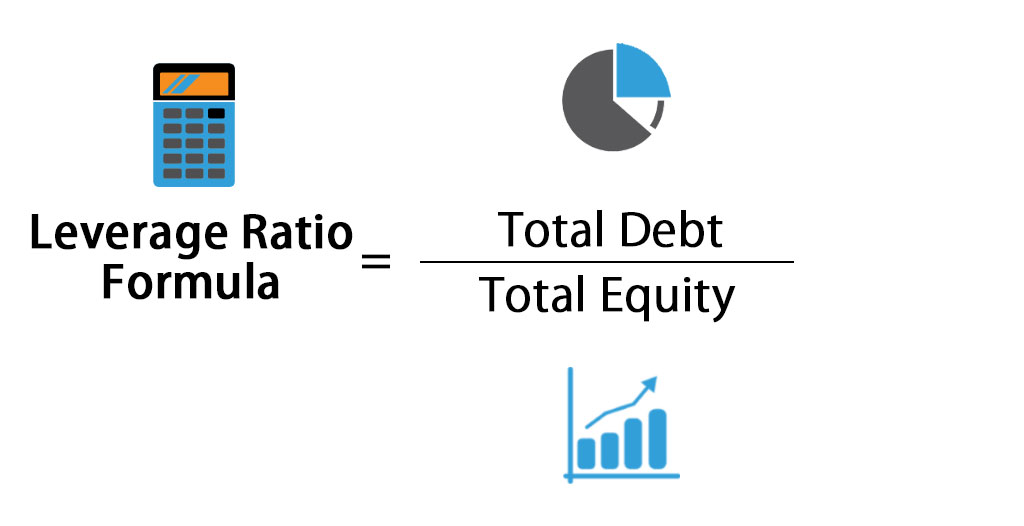
In the world of trading and investment, leverage is a powerful tool that can significantly amplify both profits and losses. One common leverage ratio is 1:100, which means that for every dollar you have, you can control $100 worth of assets. A 1 100 leverage calculator is an essential tool for traders who want to understand the potential impact of this leverage on their positions. This guide will provide a comprehensive overview of how a 1 100 leverage calculator works, its benefits, and how to use it effectively.
What is Leverage?
Leverage is essentially borrowing capital to increase the potential return of an investment. It allows traders to control a larger position than their initial capital would otherwise allow. This can lead to substantial gains if the market moves in their favor. However, it’s crucial to remember that leverage also magnifies losses, making risk management paramount.
How Does 1:100 Leverage Work?
With 1:100 leverage, a trader only needs to put up 1% of the total value of the trade as margin. For example, if you want to control a $10,000 position, you only need $100 in your account. The broker provides the remaining $9,900. This can significantly increase your potential profit, but also your potential loss. That’s why using a 1 100 leverage calculator is so critical.
Understanding the 1 100 Leverage Calculator
A 1 100 leverage calculator is a tool that helps traders determine the potential profit or loss of a trade based on the 1:100 leverage ratio. It typically requires inputs such as the trade size, entry price, exit price, and account balance. The calculator then provides an estimate of the potential profit or loss, as well as the margin required for the trade.
Key Inputs for a 1 100 Leverage Calculator
- Trade Size: The total value of the position you want to control.
- Entry Price: The price at which you enter the trade.
- Exit Price: The price at which you plan to exit the trade.
- Account Balance: The amount of capital you have in your trading account.
- Leverage Ratio: In this case, 1:100.
Example Calculation
Let’s say you want to trade a currency pair with a trade size of $10,000. You enter the trade at a price of 1.2000 and plan to exit at 1.2050. With 1:100 leverage, your margin requirement would be $100 ($10,000 / 100). If the price moves to 1.2050, your profit would be $50 ((1.2050 – 1.2000) * $10,000). Conversely, if the price moves against you to 1.1950, your loss would be $50. A 1 100 leverage calculator automates this process, making it easier to assess potential outcomes.
Benefits of Using a 1 100 Leverage Calculator
- Risk Management: Helps traders understand the potential risks associated with leveraged trades.
- Profit Potential: Allows traders to estimate potential profits based on different scenarios.
- Margin Calculation: Determines the required margin for a trade, preventing over-leveraging.
- Scenario Analysis: Enables traders to evaluate different trade scenarios and adjust their strategies accordingly.
- Informed Decision-Making: Provides the necessary information for making informed trading decisions.
How to Use a 1 100 Leverage Calculator Effectively
To maximize the benefits of a 1 100 leverage calculator, consider the following tips:
- Accurate Inputs: Ensure that all inputs are accurate and up-to-date. Incorrect data can lead to inaccurate results.
- Realistic Scenarios: Evaluate a range of potential outcomes, including both positive and negative scenarios.
- Risk Tolerance: Consider your risk tolerance and adjust your trade size and leverage accordingly.
- Stop-Loss Orders: Use stop-loss orders to limit potential losses. A 1 100 leverage calculator can help you determine appropriate stop-loss levels.
- Regular Monitoring: Continuously monitor your trades and adjust your strategy as needed.
Risks Associated with High Leverage
While leverage can amplify profits, it also significantly increases the risk of losses. High leverage, such as 1:100, can quickly deplete your account if the market moves against you. It’s crucial to understand these risks before using high leverage.
Margin Calls
One of the biggest risks of high leverage is the potential for margin calls. A margin call occurs when your account balance falls below the required margin level. The broker will then require you to deposit additional funds to maintain your position. If you fail to do so, the broker may close your position, resulting in a loss. A 1 100 leverage calculator can help you anticipate potential margin calls by showing how much your account balance would need to change before a margin call is triggered.
Emotional Trading
High leverage can also lead to emotional trading. The pressure of potentially large profits or losses can cloud your judgment and lead to impulsive decisions. It’s important to remain disciplined and stick to your trading plan, even when emotions are running high. Using a 1 100 leverage calculator to plan your trades in advance can help you stay rational.
Choosing the Right 1 100 Leverage Calculator
There are many 1 100 leverage calculator tools available online. When choosing a calculator, consider the following factors:
- Accuracy: The calculator should provide accurate and reliable results.
- User-Friendliness: The calculator should be easy to use and understand.
- Features: The calculator should offer the features you need, such as margin calculation, profit/loss estimation, and scenario analysis.
- Reputation: Choose a calculator from a reputable source.
Alternatives to 1:100 Leverage
If you’re uncomfortable with the risks associated with 1:100 leverage, there are other options available. Some brokers offer lower leverage ratios, such as 1:50 or 1:25. You can also use risk management tools such as stop-loss orders and limit orders to protect your capital. Remember, responsible trading involves understanding and managing risk, and a 1 100 leverage calculator is a key tool in that process.
The Future of Leverage Trading
Leverage trading is likely to remain a popular strategy among traders, but it’s essential to stay informed about the latest regulations and best practices. As technology evolves, we can expect to see even more sophisticated tools for managing leverage and risk. A deep understanding of how a 1 100 leverage calculator works will continue to be a valuable asset for any trader looking to navigate the complexities of leveraged trading.
Conclusion
A 1 100 leverage calculator is a vital tool for traders who want to use leverage effectively. It helps you understand the potential risks and rewards of leveraged trades, calculate margin requirements, and evaluate different trading scenarios. By using a 1 100 leverage calculator responsibly and combining it with sound risk management practices, you can increase your chances of success in the market. Always remember that leverage amplifies both profits and losses, so it’s crucial to approach it with caution and discipline.
[See also: Understanding Margin Trading]
[See also: Risk Management Strategies for Forex Trading]
[See also: The Benefits of Using a Forex Calculator]
