Understanding the Parabolic Stock Meaning: Identifying and Trading Parabolic Moves
The stock market is a dynamic environment, full of opportunities and risks. One of the most exciting, yet potentially dangerous, patterns is the parabolic stock. Understanding the parabolic stock meaning is crucial for any investor or trader looking to capitalize on rapid price appreciation or avoid substantial losses. This article delves into the characteristics of parabolic stocks, how to identify them, the psychological factors that drive their behavior, and strategies for trading them effectively.
What is a Parabolic Stock?
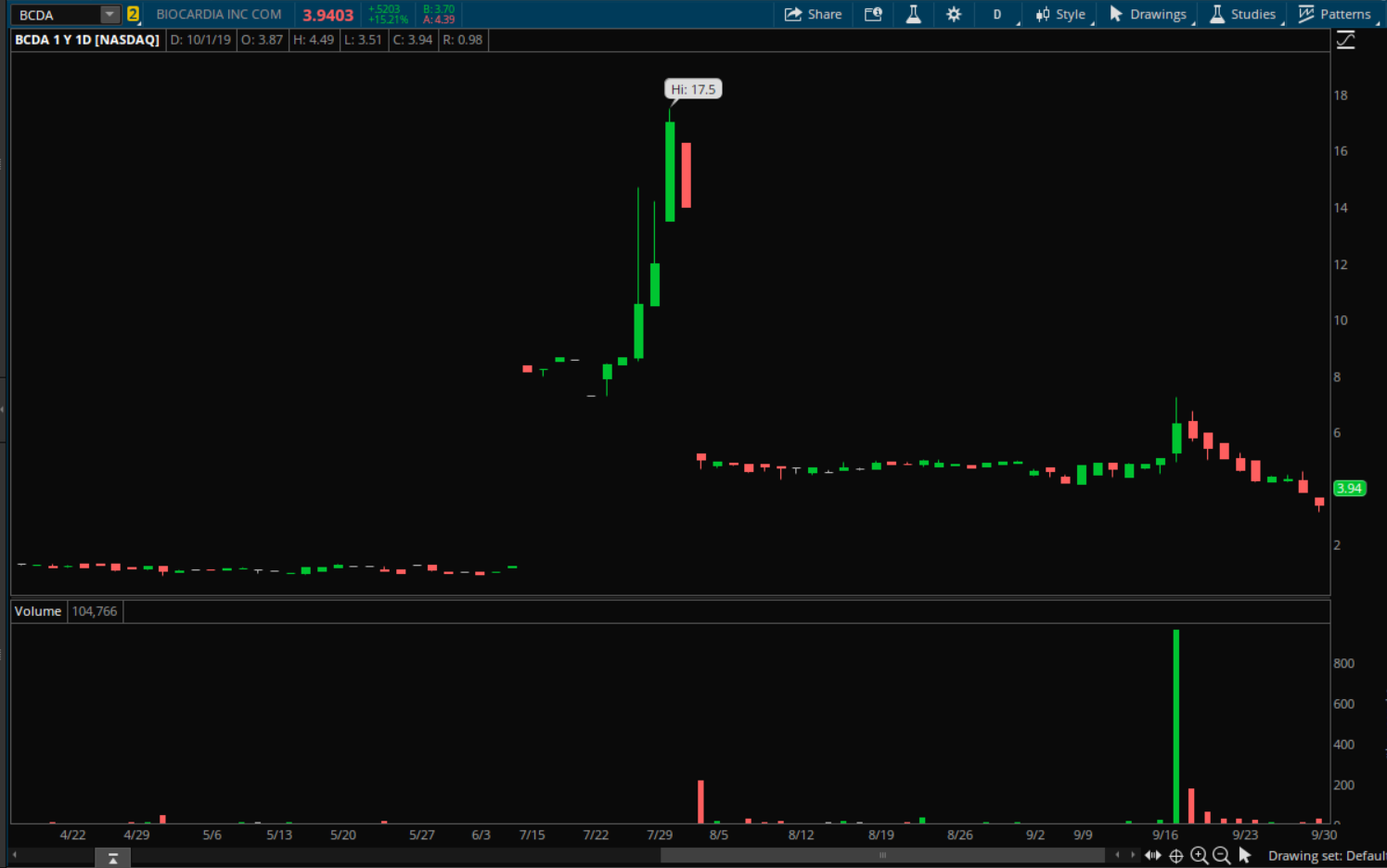
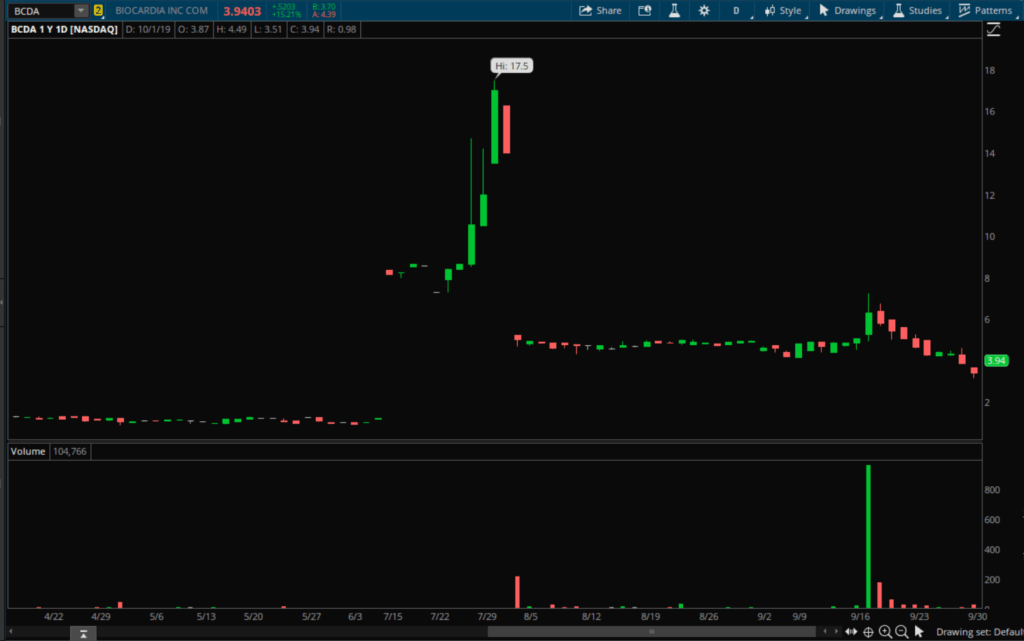
A parabolic stock refers to a stock whose price is increasing at an accelerating rate, forming a curve that resembles a parabola. This upward trajectory is often unsustainable and followed by a sharp correction. The parabolic stock meaning is rooted in the exponential growth of the stock price, driven by intense buying pressure and speculative frenzy.
Unlike stocks that experience steady, gradual growth, parabolic stocks exhibit a rapid and almost vertical ascent. This rapid increase is usually fueled by a combination of factors, including positive news, market hype, social media influence, and fear of missing out (FOMO).
Characteristics of Parabolic Stocks
Identifying a parabolic stock involves recognizing certain key characteristics:
- Rapid Price Increase: The most obvious sign is a sharp and almost vertical rise in the stock price.
- High Trading Volume: Parabolic stocks are typically accompanied by a significant increase in trading volume, indicating strong buying interest.
- Positive News or Catalyst: Often, a parabolic move is triggered by a positive event, such as a groundbreaking product announcement, a favorable earnings report, or a significant partnership.
- Social Media Hype: The rise of social media has amplified the parabolic stock phenomenon. Stocks can go parabolic due to viral trends and online communities promoting them.
- Fear of Missing Out (FOMO): As the stock price soars, more investors jump on the bandwagon, driven by the fear of missing out on potential gains.
- Overvaluation: Parabolic stocks often become overvalued relative to their fundamentals. The stock price is no longer supported by the company’s earnings, revenue, or growth prospects.
The Psychology Behind Parabolic Moves
Understanding the psychology behind parabolic moves is crucial for making informed trading decisions. Several psychological factors contribute to the formation of parabolic stocks:
- Greed: As the stock price increases, investors become increasingly greedy and optimistic, expecting the upward trend to continue indefinitely.
- Fear: The fear of missing out (FOMO) drives many investors to buy the stock, even at inflated prices.
- Herd Mentality: Investors tend to follow the crowd, believing that if everyone else is buying, the stock must be a good investment.
- Confirmation Bias: Investors tend to seek out information that confirms their existing beliefs, ignoring any warning signs or negative news.
- Emotional Decision-Making: Parabolic stocks often lead to emotional decision-making, as investors become caught up in the excitement and hype.
Identifying Potential Parabolic Stocks
While predicting the future is impossible, certain tools and techniques can help identify potential parabolic stocks:
- Technical Analysis: Use technical indicators such as moving averages, relative strength index (RSI), and volume analysis to identify stocks with strong upward momentum.
- Fundamental Analysis: Evaluate the company’s financial health, growth prospects, and valuation to determine whether the stock price is justified.
- News and Social Media Monitoring: Stay informed about the latest news and trends that could trigger a parabolic move. Monitor social media platforms for discussions and hype surrounding specific stocks.
- Volume Surge Detection: Look for stocks experiencing unusually high trading volume, as this can be an early sign of a parabolic run.
Strategies for Trading Parabolic Stocks
Trading parabolic stocks can be highly profitable, but it also carries significant risk. Here are some strategies to consider:
Buying Strategies
- Early Entry: If you believe a stock is about to go parabolic, try to enter the trade early in the trend. This will allow you to capture a larger portion of the gains.
- Momentum Trading: Focus on stocks with strong upward momentum and high trading volume. Use technical indicators to identify potential entry points.
- Stop-Loss Orders: Always use stop-loss orders to limit your potential losses. Place your stop-loss order below a recent low or support level.
- Trailing Stops: Consider using trailing stops to protect your profits as the stock price increases. A trailing stop automatically adjusts as the price moves higher, locking in gains while allowing you to stay in the trade.
Selling Strategies
- Profit Targets: Set realistic profit targets and stick to them. Don’t get greedy and try to squeeze every last penny out of the trade.
- Reversal Signals: Watch for reversal signals, such as bearish candlestick patterns, negative divergence, or a break below a key support level.
- Reduce Position Size: As the stock price rises, consider reducing your position size to lock in profits and reduce your risk exposure.
- Short Selling: Experienced traders may consider short selling parabolic stocks when they believe the trend is about to reverse. However, short selling carries significant risk and should only be attempted by those with a thorough understanding of the market.
Risks Associated with Parabolic Stocks
Investing in parabolic stocks is not without risks. The rapid price appreciation can quickly turn into a sharp correction, leading to significant losses. Here are some of the risks to be aware of:
- Price Volatility: Parabolic stocks are highly volatile, meaning their prices can fluctuate dramatically in a short period.
- Rapid Correction: The upward trend of a parabolic stock is often unsustainable, and the stock price can crash quickly and unexpectedly.
- Overvaluation: Parabolic stocks are often overvalued, meaning their prices are not supported by their fundamentals. This makes them vulnerable to a correction.
- Liquidity Risk: If the stock price crashes, it may be difficult to sell your shares at a reasonable price, especially if trading volume dries up.
- Emotional Trading: The excitement and hype surrounding parabolic stocks can lead to emotional decision-making, which can result in poor investment choices.
Examples of Parabolic Stocks
Throughout history, many stocks have experienced parabolic moves. Some notable examples include:
- GameStop (GME): In early 2021, GameStop experienced a massive parabolic surge driven by retail investors on social media platforms like Reddit.
- Tesla (TSLA): While Tesla has had periods of sustained growth, it also experienced several parabolic runs fueled by positive news and investor enthusiasm.
- Bitcoin (BTC): The cryptocurrency market is known for its volatility, and Bitcoin has experienced multiple parabolic surges followed by sharp corrections.
Mitigating Risks When Trading Parabolic Stocks
While the allure of quick profits can be strong, it’s vital to approach parabolic stocks with caution and implement risk management strategies. Here are some tips for mitigating risks:
- Diversification: Don’t put all your eggs in one basket. Diversify your portfolio across different asset classes and sectors to reduce your overall risk exposure.
- Due Diligence: Conduct thorough research before investing in any stock. Understand the company’s business model, financial health, and growth prospects.
- Risk Tolerance: Assess your risk tolerance and only invest an amount of money that you can afford to lose.
- Stay Informed: Keep up with the latest news and trends that could affect the stock market. Monitor economic indicators, company announcements, and geopolitical events.
- Avoid Emotional Trading: Make investment decisions based on logic and analysis, not emotions. Don’t let fear or greed cloud your judgment.
The Future of Parabolic Stocks
The phenomenon of parabolic stocks is likely to persist as long as the stock market exists. The rise of social media and online trading platforms has made it easier for individual investors to participate in the market, which can amplify parabolic moves. As technology continues to evolve, new tools and techniques will emerge to help investors identify and trade parabolic stocks. However, the underlying principles of risk management and emotional control will remain as important as ever.
Conclusion
Understanding the parabolic stock meaning is essential for navigating the complexities of the stock market. While parabolic stocks can offer the potential for significant gains, they also carry substantial risks. By recognizing the characteristics of parabolic stocks, understanding the psychology behind their behavior, and implementing effective trading strategies, investors and traders can increase their chances of success while minimizing their potential losses. Always remember to conduct thorough research, manage your risk, and avoid emotional decision-making. The allure of a parabolic run can be tempting, but a disciplined approach is crucial for long-term success in the stock market. Recognizing the parabolic stock meaning is just the first step; disciplined execution is what separates successful traders from those who get burned. [See also: Understanding Stock Market Bubbles] [See also: Risk Management in Stock Trading] [See also: Technical Analysis for Beginners]
