Unlocking Market Insights with the Volume Profile Visible Range (VPVR) Indicator
In the dynamic world of trading and financial analysis, identifying key price levels and understanding market sentiment is paramount. The Volume Profile Visible Range (VPVR) indicator has emerged as a powerful tool for traders and analysts alike. This indicator offers a detailed snapshot of trading activity over a specified period, providing valuable insights into potential support and resistance levels, as well as areas of high and low interest. This article delves into the intricacies of the VPVR indicator, exploring its functionality, applications, and benefits within the broader context of market analysis.
Understanding the Volume Profile Visible Range (VPVR)
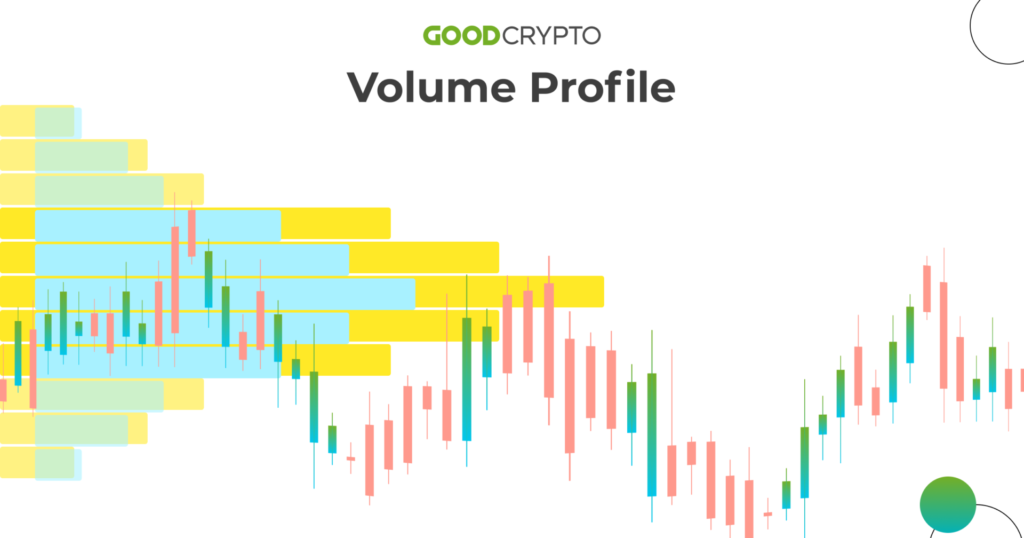
The Volume Profile Visible Range (VPVR) is a charting tool that displays the volume of trading activity at specific price levels over a user-defined period, typically the visible portion of the chart. Unlike traditional volume indicators that simply show total volume traded, the VPVR breaks down volume by price, creating a histogram that reveals where the most and least trading activity occurred. This allows traders to identify areas of significant price acceptance or rejection, which can then be used to inform trading decisions.
The core concept behind the VPVR indicator is to map volume data onto price levels, revealing the ‘profile’ of trading activity. This profile typically consists of several key components:
- Point of Control (POC): The price level with the highest traded volume within the specified range. This is often considered a significant level of support or resistance.
- Value Area: The range of prices where a specified percentage (usually 70%) of the total volume was traded. This area represents the perceived fair value of the asset during the period.
- Value Area High (VAH): The highest price within the Value Area.
- Value Area Low (VAL): The lowest price within the Value Area.
By visualizing these key components, traders can gain a deeper understanding of market dynamics and potential price movements. The VPVR indicator provides a more nuanced view of volume than simple volume bars, allowing for more informed analysis.
How the VPVR Indicator Works
The VPVR indicator operates by analyzing trading data within the visible portion of a chart. It calculates the volume traded at each price level and then displays this information as a horizontal histogram overlaid on the price chart. The process generally involves the following steps:
- Data Collection: The indicator gathers trading data, including price and volume, for each period within the visible range of the chart.
- Price Level Grouping: The indicator groups the price data into specific levels or ‘buckets’. The size of these buckets can be adjusted by the user, allowing for greater or lesser granularity.
- Volume Calculation: The indicator calculates the total volume traded at each price level.
- Histogram Creation: The indicator creates a horizontal histogram, with the length of each bar representing the volume traded at that price level.
- Key Level Identification: The indicator identifies the Point of Control (POC), Value Area, Value Area High (VAH), and Value Area Low (VAL) based on the volume distribution.
- Visualization: The indicator overlays the histogram and key levels onto the price chart, allowing traders to easily visualize the volume profile.
The VPVR indicator dynamically adjusts as the visible range of the chart changes, providing real-time insights into evolving market conditions. This adaptability is a key advantage of the VPVR over fixed volume profile indicators.
Applications of the VPVR Indicator in Trading
The VPVR indicator has a wide range of applications in trading, making it a valuable tool for both short-term and long-term traders. Some of the most common applications include:
- Identifying Support and Resistance Levels: The Point of Control (POC) and Value Area High (VAH) and Value Area Low (VAL) often act as significant levels of support and resistance. Traders can use these levels to identify potential entry and exit points.
- Confirming Trends: The VPVR indicator can help confirm the strength of a trend. For example, in an uptrend, a Point of Control (POC) that shifts higher over time suggests that the trend is likely to continue.
- Identifying High-Probability Trading Setups: By combining the VPVR indicator with other technical analysis tools, traders can identify high-probability trading setups. For example, a breakout above the Value Area High (VAH) could signal a potential long entry.
- Understanding Market Sentiment: The shape of the volume profile can provide insights into market sentiment. A profile with a wide Value Area suggests that there is significant disagreement among traders about the fair value of the asset, while a profile with a narrow Value Area suggests that there is more consensus.
- Finding Areas of Liquidity: Areas with high volume represent areas of high liquidity, where it is easier to enter and exit positions. Traders can use the VPVR indicator to identify these areas and avoid trading in illiquid markets.
The versatility of the VPVR indicator makes it a valuable addition to any trader’s toolkit. By understanding how to interpret the volume profile, traders can gain a significant edge in the market.
Benefits of Using the VPVR Indicator
Using the VPVR indicator offers several key benefits for traders and analysts:
- Enhanced Market Understanding: The VPVR indicator provides a more detailed and nuanced view of market activity than traditional volume indicators.
- Improved Trading Decisions: By identifying key support and resistance levels, the VPVR indicator can help traders make more informed trading decisions.
- Increased Profitability: By identifying high-probability trading setups, the VPVR indicator can help traders increase their profitability.
- Time Savings: The VPVR indicator automates the process of analyzing volume data, saving traders time and effort.
- Customization: The VPVR indicator can be customized to suit individual trading styles and preferences. Users can adjust the size of the price levels, the percentage of volume included in the Value Area, and the colors used to display the histogram.
The VPVR indicator empowers traders with the knowledge to make more strategic and profitable decisions. By visualizing volume distribution, traders can anticipate potential price movements and react accordingly.
Limitations of the VPVR Indicator
While the VPVR indicator is a powerful tool, it’s important to be aware of its limitations:
- Lagging Indicator: The VPVR indicator is a lagging indicator, meaning that it is based on past data. As such, it may not be effective in predicting future price movements.
- Subjectivity: The interpretation of the VPVR indicator can be subjective. Different traders may draw different conclusions from the same volume profile.
- False Signals: Like any technical analysis tool, the VPVR indicator can generate false signals. It’s important to confirm signals with other indicators and analysis techniques.
- Data Dependency: The accuracy of the VPVR indicator depends on the quality of the data used to calculate it. If the data is inaccurate or incomplete, the indicator may produce misleading results.
- Over-reliance: Traders should avoid over-relying on the VPVR indicator. It’s important to consider other factors, such as fundamental analysis and market sentiment, when making trading decisions.
Despite these limitations, the VPVR indicator remains a valuable tool for traders who understand its strengths and weaknesses. When used in conjunction with other analysis techniques, it can provide valuable insights into market dynamics.
Integrating the VPVR Indicator with Other Technical Analysis Tools
To maximize the effectiveness of the VPVR indicator, it’s crucial to integrate it with other technical analysis tools. Here are some common combinations:
- Moving Averages: Use moving averages to identify the overall trend, and then use the VPVR indicator to identify potential entry and exit points within that trend.
- Fibonacci Retracements: Combine Fibonacci retracement levels with the VPVR indicator to identify areas of confluence, where multiple indicators suggest a potential reversal.
- Relative Strength Index (RSI): Use the RSI to identify overbought and oversold conditions, and then use the VPVR indicator to confirm potential reversal signals.
- Trendlines: Use trendlines to identify potential support and resistance levels, and then use the VPVR indicator to confirm the strength of those levels.
- Candlestick Patterns: Combine candlestick patterns with the VPVR indicator to identify high-probability trading setups. For example, a bullish engulfing pattern that occurs near the Value Area Low (VAL) could signal a potential long entry.
By combining the VPVR indicator with other technical analysis tools, traders can create a more comprehensive and robust trading strategy. This approach helps to filter out false signals and increase the probability of success. [See also: Support and Resistance Trading Strategies]
Examples of VPVR in Different Market Conditions
The VPVR indicator can be applied to various market conditions to provide valuable insights:
- Trending Markets: In an uptrend, the VPVR will typically show a Point of Control (POC) that is gradually moving higher, indicating that buyers are in control. In a downtrend, the POC will typically move lower, indicating that sellers are in control.
- Range-Bound Markets: In a range-bound market, the VPVR will typically show a relatively stable Point of Control (POC) and a wide Value Area, indicating that there is no clear consensus about the fair value of the asset.
- Breakouts: A breakout above the Value Area High (VAH) or below the Value Area Low (VAL) can signal the start of a new trend. The VPVR can help confirm the strength of the breakout by showing a significant increase in volume at the breakout price.
- Reversals: A reversal pattern that occurs near the Point of Control (POC) or the Value Area edges can signal a potential change in trend. The VPVR can help confirm the reversal by showing a decrease in volume at the previous trend’s price levels.
Understanding how the VPVR indicator behaves in different market conditions is essential for effective trading. Traders should practice analyzing the VPVR in various scenarios to develop their skills and intuition.
Conclusion: Leveraging the Power of the VPVR Indicator
The Volume Profile Visible Range (VPVR) indicator is a powerful tool that can provide traders and analysts with valuable insights into market dynamics. By visualizing the distribution of volume across price levels, the VPVR indicator allows traders to identify key support and resistance levels, confirm trends, and identify high-probability trading setups. While it has limitations, when used in conjunction with other technical analysis tools and a solid understanding of market principles, the VPVR indicator can significantly enhance trading performance. Embrace the VPVR indicator as a valuable asset in your trading arsenal and unlock its potential to navigate the complexities of the financial markets with greater confidence and precision. [See also: Advanced Trading Techniques]
