Unlocking NFT Value: A Comprehensive Guide to NFT Rarity Tools
The world of Non-Fungible Tokens (NFTs) has exploded, transforming digital art, collectibles, and even real-world assets into unique, tradable tokens on the blockchain. But with thousands of NFTs flooding the market, how do you determine the true value of a particular piece? This is where NFT rarity tools come in. These tools provide essential analytics that help collectors and investors assess the scarcity and potential worth of their digital assets. Understanding how to use an NFT rarity tool effectively is crucial for navigating the NFT space and making informed decisions.
What are NFT Rarity Tools?
An NFT rarity tool is a platform or software that analyzes the attributes and characteristics of NFTs within a specific collection. It then assigns a rarity score or ranking based on how unique those attributes are. The core principle is simple: the rarer the attributes, the higher the potential value of the NFT.
Think of it like trading cards. A common card might be worth very little, while a limited-edition card with a unique signature or error can command a high price. NFT rarity tools apply the same logic to the digital realm, providing data-driven insights into the scarcity of various NFT traits.
Why are NFT Rarity Tools Important?
Several factors contribute to the importance of NFT rarity tools:
- Value Assessment: They provide a more objective way to assess the value of an NFT, moving beyond purely subjective aesthetics.
- Informed Investment Decisions: Collectors can use rarity data to make more informed decisions about which NFTs to buy, sell, or hold.
- Market Transparency: Rarity tools bring more transparency to the NFT market, helping to reduce the risk of overpaying for common NFTs.
- Discovery: They help users discover hidden gems within a collection that might be overlooked based solely on visual appeal.
- Community Engagement: Rarity scores often spark discussions and debates within NFT communities, fostering engagement and a deeper understanding of the collection.
How do NFT Rarity Tools Work?
The process typically involves these steps:
- Data Collection: The tool collects data on all the NFTs within a specific collection, including their attributes (e.g., background color, clothing, accessories). This information is usually pulled directly from the NFT’s metadata stored on the blockchain.
- Attribute Frequency Analysis: The tool analyzes how frequently each attribute appears within the collection. For example, if only 5% of NFTs in a collection have a specific type of hat, that hat is considered relatively rare.
- Rarity Score Calculation: Based on the attribute frequencies, the tool calculates a rarity score for each NFT. Different tools use different algorithms, but a common approach is to assign higher scores to NFTs with rarer attributes.
- Ranking and Visualization: The NFTs are then ranked based on their rarity scores, and the results are presented in a user-friendly format. This often includes a visual representation of the rarity distribution within the collection.
Key Metrics to Consider When Using an NFT Rarity Tool
While different NFT rarity tools may use slightly different metrics, some common ones include:
- Trait Rarity: This refers to the percentage of NFTs within a collection that possess a specific attribute. Lower percentages indicate higher rarity.
- Statistical Rarity: This combines the rarity of all the attributes of an NFT to provide an overall rarity score.
- Rarity Rank: This is the NFT’s position within the collection based on its rarity score. A rank of #1 indicates the rarest NFT in the collection.
- Information Gain: This metric, sometimes used in more advanced tools, assesses how much information a particular attribute provides about the NFT’s overall rarity.
Popular NFT Rarity Tools
Several NFT rarity tools are available, each with its own strengths and weaknesses. Some of the most popular options include:
- Rarity.Tools: One of the most well-known and widely used tools, Rarity.Tools provides rarity rankings for a wide range of NFT collections.
- TraitSniper: TraitSniper offers real-time rarity data and sniping tools to help users quickly identify and purchase rare NFTs.
- OpenRarity: An open-source initiative aiming to standardize rarity calculations across different platforms.
- HowRare.is: Primarily focused on Solana-based NFTs, HowRare.is provides rarity rankings and other useful analytics.
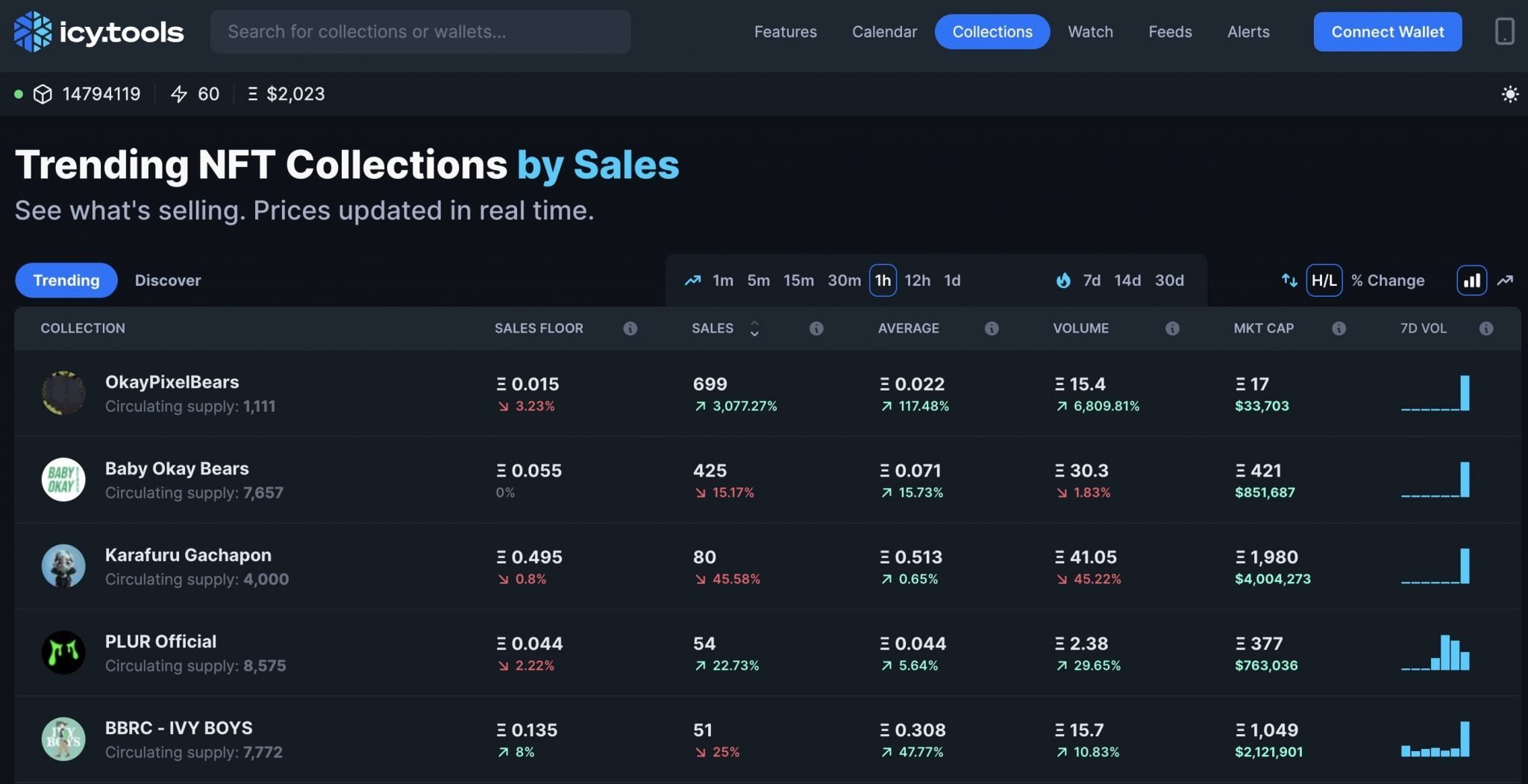
- Icy.tools: A comprehensive NFT analytics platform that includes rarity rankings, sales data, and other market insights.
Choosing the Right NFT Rarity Tool
Selecting the right NFT rarity tool depends on your specific needs and preferences. Consider the following factors:
- Collection Coverage: Does the tool support the NFT collections you are interested in?
- Data Accuracy: How reliable is the data provided by the tool? Look for tools that use verifiable data sources.
- User Interface: Is the tool easy to use and understand? A clear and intuitive interface can save you time and frustration.
- Features: Does the tool offer any additional features, such as real-time alerts, sniping tools, or portfolio tracking?
- Cost: Some NFT rarity tools are free to use, while others require a subscription. Consider your budget when making your decision.
Limitations of NFT Rarity Tools
While NFT rarity tools are valuable resources, it’s important to understand their limitations:
- Subjectivity: Rarity is not the only factor that determines the value of an NFT. Aesthetics, community sentiment, and cultural significance also play a role.
- Algorithm Differences: Different tools use different algorithms to calculate rarity scores, which can lead to varying results.
- Gaming the System: Some NFT projects may try to game the system by creating artificially rare attributes.
- Data Accuracy: The accuracy of the data depends on the accuracy of the NFT’s metadata. Errors or inconsistencies in the metadata can affect the rarity scores.
- New Collections: Rarity tools may not be available for newly launched NFT collections until they have had time to collect and analyze the data.
Beyond Rarity: Other Factors to Consider
Don’t rely solely on NFT rarity tools when evaluating NFTs. Consider these additional factors:
- Artist/Creator: The reputation and track record of the artist or creator can significantly impact the value of an NFT.
- Community: A strong and active community can drive demand for an NFT collection.
- Utility: Some NFTs offer real-world utility, such as access to exclusive events or services.
- Market Trends: Stay informed about the latest trends in the NFT market.
- Personal Preference: Ultimately, the value of an NFT is subjective and depends on your personal taste and investment goals.
The Future of NFT Rarity Tools
The future of NFT rarity tools is likely to involve more sophisticated analytics, including:
- AI-powered Rarity Assessment: Using artificial intelligence to analyze visual characteristics and predict rarity based on aesthetic appeal.
- Sentiment Analysis: Incorporating social media sentiment and community discussions into rarity scores.
- Dynamic Rarity: Adjusting rarity scores based on real-time market data and trading activity.
- Cross-Chain Compatibility: Supporting NFTs across multiple blockchain platforms.
Conclusion
NFT rarity tools are essential instruments for navigating the complex world of NFTs. By understanding how these tools work and their limitations, you can make more informed decisions about which NFTs to buy, sell, or hold. Remember to consider rarity alongside other factors, such as aesthetics, community, and utility, to build a well-rounded NFT portfolio. As the NFT market continues to evolve, NFT rarity tools will undoubtedly become even more sophisticated and valuable.
Using an NFT rarity tool effectively requires understanding its methodology and limitations. Don’t treat it as the sole determinant of value, but rather as one piece of the puzzle. A well-informed investor combines rarity data with other market signals and personal judgment to make sound investment decisions. Always do your own research (DYOR) before investing in any NFT. The evolving landscape of NFTs demands continuous learning and adaptation.
The key to success in the NFT space lies in informed decision-making, and NFT rarity tools are a critical component of that process. Embrace the data, understand the nuances, and navigate the exciting world of NFTs with confidence. Remember that while a rare NFT may hold significant value, the true worth lies in the intersection of scarcity, utility, and community sentiment.
[See also: Understanding NFT Metadata] [See also: How to Value an NFT Collection] [See also: The Future of NFTs]
