Unlocking the Power of Keywords: A Comprehensive Guide
In the ever-evolving landscape of digital marketing, understanding and effectively utilizing keywords remains paramount. Whether you’re a seasoned SEO professional or just starting to build your online presence, grasping the nuances of keyword research, implementation, and analysis is crucial for driving targeted traffic and achieving your business goals. This comprehensive guide will delve into the multifaceted world of keywords, providing actionable insights and strategies to help you unlock their full potential.
What are Keywords and Why are They Important?
At its core, a keyword is a word or phrase that people use to search for information online. These are the terms users type into search engines like Google, Bing, and Yahoo when looking for products, services, or answers to their questions. From a search engine optimization (SEO) perspective, keywords act as the bridge between what people are searching for and the content you create. By strategically incorporating relevant keywords into your website, blog posts, and other online materials, you increase the likelihood of appearing in search results when users search for those terms. This increased visibility can lead to more website traffic, higher brand awareness, and ultimately, more conversions.
The importance of keywords extends beyond simply attracting traffic. They also play a vital role in:
- Understanding Your Audience: Keyword research provides valuable insights into the language your target audience uses, their needs, and their pain points.
- Content Creation: Keywords guide your content creation process, ensuring that you’re producing content that resonates with your audience and addresses their specific search queries.
- Website Optimization: Keywords are essential for optimizing various aspects of your website, including page titles, meta descriptions, headings, and body content.
- Measuring Performance: Tracking the performance of your keywords allows you to assess the effectiveness of your SEO efforts and make data-driven decisions to improve your results.
Keyword Research: Finding the Right Terms
Effective keyword research is the foundation of any successful SEO strategy. It involves identifying the terms that your target audience is actively searching for and that are relevant to your business. Here’s a breakdown of the key steps involved:
Brainstorming and Seed Keywords
Start by brainstorming a list of potential keywords related to your industry, products, and services. These “seed keywords” will serve as the foundation for your research. Think about what your business offers and the problems it solves for your customers. What terms would they use to find you online?
Using Keyword Research Tools
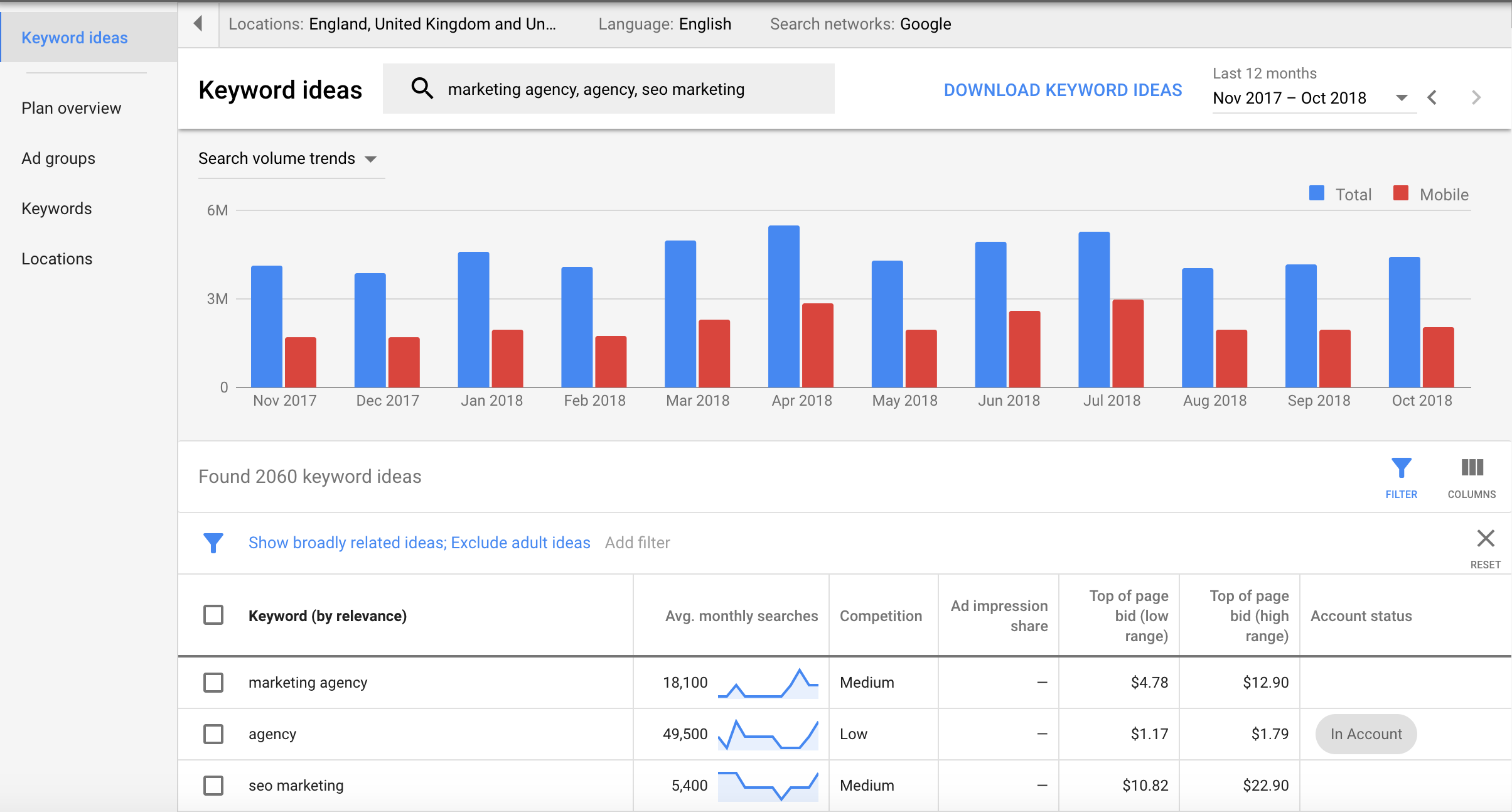
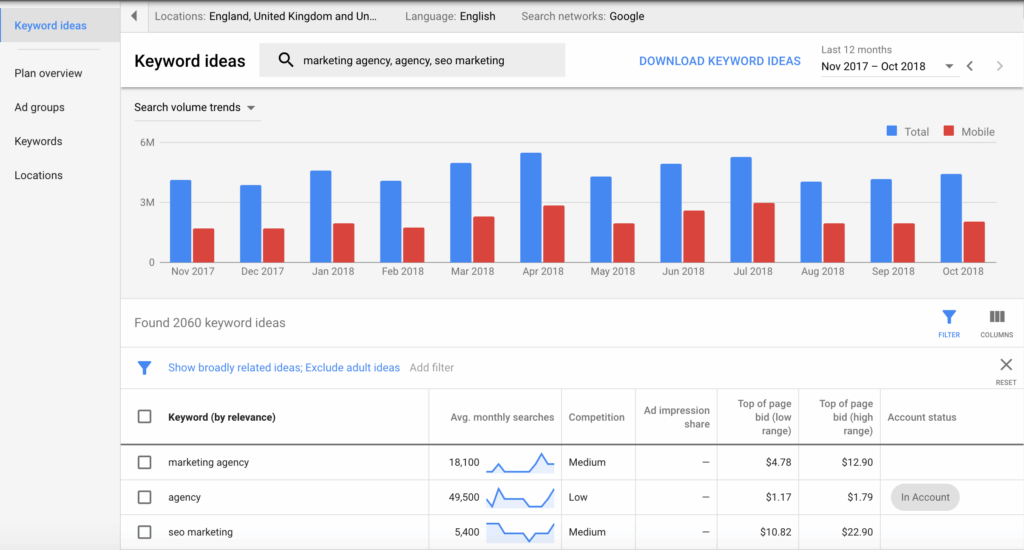
Leverage keyword research tools like Google Keyword Planner, SEMrush, Ahrefs, and Moz Keyword Explorer to expand your list of keywords and gather valuable data. These tools provide insights into:
- Search Volume: The average number of times a keyword is searched for each month.
- Keyword Difficulty: A metric that estimates how difficult it is to rank for a particular keyword.
- Related Keywords: A list of other keywords that are related to your seed keywords.
- Competition: An overview of the websites that are already ranking for your target keywords.
Analyzing the Competition
Take a close look at the websites that are already ranking for your target keywords. What keywords are they using in their content? What is their website structure like? What is their domain authority? This analysis can provide valuable insights into what it takes to rank for those keywords.
Long-Tail Keywords
Don’t overlook the power of long-tail keywords. These are longer, more specific phrases that people use when they’re closer to making a purchase or taking a specific action. While long-tail keywords may have lower search volume than shorter, more general keywords, they often have higher conversion rates because they target a more specific audience.
Keyword Implementation: Optimizing Your Content
Once you’ve identified your target keywords, it’s time to implement them strategically throughout your website and content. Here’s how:
On-Page Optimization
On-page optimization involves optimizing various elements of your website to improve its ranking in search results. Key areas to focus on include:
- Page Titles: Include your primary keyword in the page title, ideally near the beginning.
- Meta Descriptions: Write a compelling meta description that includes your target keyword and encourages users to click on your link in search results.
- Headings (H1, H2, H3, etc.): Use headings to break up your content and incorporate your target keywords naturally.
- Body Content: Weave your target keywords naturally into your body content. Avoid keyword stuffing, which can negatively impact your rankings.
- Image Alt Text: Add descriptive alt text to your images, including your target keywords where relevant.
- URL Structure: Create SEO-friendly URLs that include your target keywords.
Content Marketing
Create high-quality, informative, and engaging content that incorporates your target keywords naturally. Focus on providing value to your audience and addressing their specific needs and questions. Content formats can include blog posts, articles, videos, infographics, and more. [See also: How to Create Engaging Content].
Link Building
Build high-quality backlinks from other reputable websites. Backlinks are a signal to search engines that your website is trustworthy and authoritative. Focus on earning backlinks from websites that are relevant to your industry and that have high domain authority. [See also: Link Building Strategies for SEO].
Keyword Analysis: Tracking and Measuring Performance
It’s crucial to track and measure the performance of your keywords to assess the effectiveness of your SEO efforts. Use tools like Google Analytics and Google Search Console to monitor:
- Keyword Rankings: Track your website’s ranking for your target keywords.
- Organic Traffic: Monitor the amount of organic traffic your website is receiving from search engines.
- Conversion Rates: Track the conversion rates for your target keywords.
- Bounce Rate: Monitor the bounce rate for your website.
Analyze this data to identify areas for improvement. Are your keywords driving the right kind of traffic? Are your conversion rates improving? Are there any keywords that you should be targeting but aren’t? Use this information to refine your keyword strategy and optimize your website for better results.
Common Keyword Mistakes to Avoid
While keywords are powerful, it’s important to avoid common mistakes that can negatively impact your SEO efforts:
- Keyword Stuffing: Overusing keywords in your content can make it sound unnatural and spammy. Search engines penalize websites that engage in keyword stuffing.
- Ignoring User Intent: Focus on understanding the user intent behind your target keywords. Create content that addresses their specific needs and questions.
- Neglecting Long-Tail Keywords: Don’t overlook the power of long-tail keywords. They can drive highly targeted traffic to your website.
- Not Tracking Performance: Failing to track the performance of your keywords can prevent you from identifying areas for improvement.
- Using Irrelevant Keywords: Ensure that your target keywords are relevant to your business and your target audience.
The Future of Keywords
The landscape of keywords is constantly evolving. With the rise of voice search and artificial intelligence, keywords are becoming more conversational and natural language-based. It’s important to stay up-to-date on the latest trends and adapt your keyword strategy accordingly. Focus on understanding user intent and creating high-quality, informative content that provides value to your audience.
Conclusion
Mastering the art of keyword research, implementation, and analysis is essential for achieving success in the digital age. By following the strategies outlined in this guide and staying up-to-date on the latest trends, you can unlock the power of keywords and drive targeted traffic to your website, increase brand awareness, and achieve your business goals. Remember to prioritize user experience and create valuable content that resonates with your audience. With a well-defined keyword strategy, you can significantly improve your search engine rankings and achieve long-term success online.
