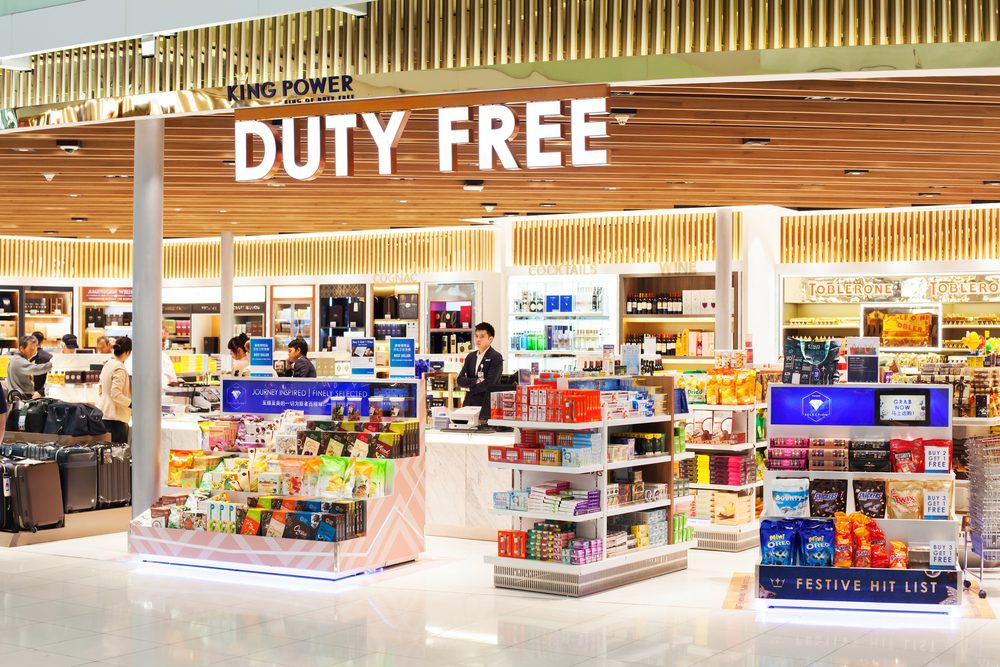
Unlocking the World of What Duty Free Really Means: A Comprehensive Guide
Have you ever walked through an airport and seen those alluring shops promising savings on alcohol, tobacco, perfumes, and luxury goods? That’s the world of what duty free is, or rather, what duty free offers. But what duty free actually *means*, how it works, and whether it’s truly a bargain requires a closer look. This guide will demystify the concept of what duty free involves, explore its history, and provide practical tips for navigating the what duty free shopping experience.
Decoding the Definition of Duty Free
At its core, what duty free means is the exemption from certain taxes and duties on goods sold in designated areas, primarily international airports, seaports, and border shops. These taxes and duties typically include import duties, excise taxes, and value-added tax (VAT) or sales tax. The idea is that because the goods are being exported (i.e., taken to another country), they should not be subject to the taxes of the country where they are purchased. In essence, what duty free allows travelers to purchase goods without paying these taxes, potentially resulting in significant savings.
The key element that defines what duty free is the destination of the goods. They are intended for personal use in another country, not for consumption or resale within the country of purchase. This distinction is crucial for understanding the rules and regulations governing what duty free sales.
A Brief History of Duty Free Shopping
The concept of what duty free shopping dates back to the end of World War II. Shannon Airport in Ireland is widely credited with pioneering the idea in 1947. Brendan O’Regan, the airport’s catering comptroller, recognized the potential to boost revenue by selling tax-exempt goods to transatlantic passengers who were stopping to refuel. This innovative approach quickly gained popularity, and what duty free shops began appearing in airports around the world. [See also: The History of Airport Retail]
The initial focus was on providing travelers with essential goods and souvenirs. Over time, the range of products expanded to include luxury items, electronics, and even local specialties. Today, the what duty free industry is a multi-billion dollar global market, catering to the diverse needs and desires of international travelers.
How Duty Free Works: A Closer Look
The mechanics of what duty free operations involve several key players: the airport authority, the what duty free retailer, and customs officials. The airport authority provides the space and infrastructure for the shops, while the retailer manages the inventory, sales, and customer service. Customs officials oversee the operations to ensure compliance with regulations and prevent fraud.
When you purchase goods in a what duty free shop, you are typically required to show your boarding pass and passport as proof that you are traveling internationally. This information is used to verify your eligibility for what duty free purchases. The retailer then collects the payment and provides you with the goods, which are often packaged in sealed bags to prevent tampering before you reach your final destination.
It’s crucial to understand that what duty free does not automatically mean tax-free. While the goods are exempt from taxes in the country of purchase, you may still be required to pay duties and taxes when you arrive in your destination country, depending on local regulations and the value of the goods. Knowing your destination’s customs allowance is crucial before making purchases to truly understand the benefit of what duty free.
Navigating the Duty Free Shopping Experience: Tips and Tricks
To make the most of your what duty free shopping experience, consider these tips:
- Know your allowances: Before you start shopping, research the customs allowances of your destination country. This will help you avoid paying unexpected duties and taxes upon arrival.
- Compare prices: Don’t assume that what duty free is always the cheapest option. Compare prices with online retailers and local stores to ensure you’re getting the best deal.
- Be aware of restrictions: Some countries have restrictions on the types or quantities of goods that can be imported duty-free. Check the regulations before you buy to avoid confiscation or penalties.
- Factor in currency exchange rates: If you’re paying in a different currency, factor in the exchange rate to accurately assess the price of the goods.
- Consider the packaging: What duty free purchases are often packaged in sealed bags. Do not open these bags until you reach your final destination, as this could invalidate your duty-free status.
- Check expiration dates: Especially for items like cosmetics or food, check the expiration dates to ensure the products are fresh.
- Think about transportation: Consider how you will transport your purchases, especially if you have connecting flights or limited baggage space.
The Allure of Duty Free: Is it Really Worth It?
The appeal of what duty free lies in the potential for savings. By avoiding taxes, travelers can often purchase goods at significantly lower prices than they would pay in their home countries. This is particularly true for high-tax items like alcohol and tobacco. However, it’s important to remember that the actual savings can vary depending on the product, the location, and the exchange rate.
Beyond the price advantage, what duty free shops offer a convenient and often luxurious shopping experience. They provide a wide selection of high-end brands, exclusive products, and travel-sized items that are not readily available elsewhere. The atmosphere is often upscale and inviting, making it a pleasant way to pass the time while waiting for a flight.
Common Misconceptions About Duty Free
Several misconceptions surround the concept of what duty free. One common myth is that all goods sold in what duty free shops are automatically cheaper than those sold elsewhere. As mentioned earlier, it’s essential to compare prices to ensure you’re getting a good deal. Another misconception is that what duty free means you can bring unlimited quantities of goods into your destination country. Customs allowances still apply, and exceeding these limits can result in duties and taxes.
Another frequent misunderstanding revolves around the quality of goods. Some people believe that what duty free products are of lower quality than those sold in regular stores. This is generally not the case. What duty free shops typically sell the same products as other retailers, but they are exempt from taxes. However, it’s always a good idea to inspect the goods before you buy them to ensure they meet your expectations.
The Future of Duty Free Shopping
The what duty free industry is constantly evolving to meet the changing needs and preferences of travelers. Online what duty free shopping is becoming increasingly popular, allowing passengers to browse and purchase goods before they even arrive at the airport. This trend is likely to continue as technology advances and consumers demand greater convenience.
Another trend is the growing emphasis on sustainability and ethical sourcing. Consumers are becoming more aware of the environmental and social impact of their purchases, and what duty free retailers are responding by offering more eco-friendly products and supporting responsible sourcing practices. [See also: Sustainable Travel and Shopping]
Conclusion: Making Informed Duty Free Decisions
Understanding what duty free truly entails empowers you to make informed decisions and maximize your travel shopping experience. By knowing the definition, history, and mechanics of what duty free, you can navigate the shops with confidence and avoid common pitfalls. Remember to research customs allowances, compare prices, and be aware of restrictions. Ultimately, what duty free can offer significant savings and a unique shopping experience, but it’s up to you to make the most of it.
