
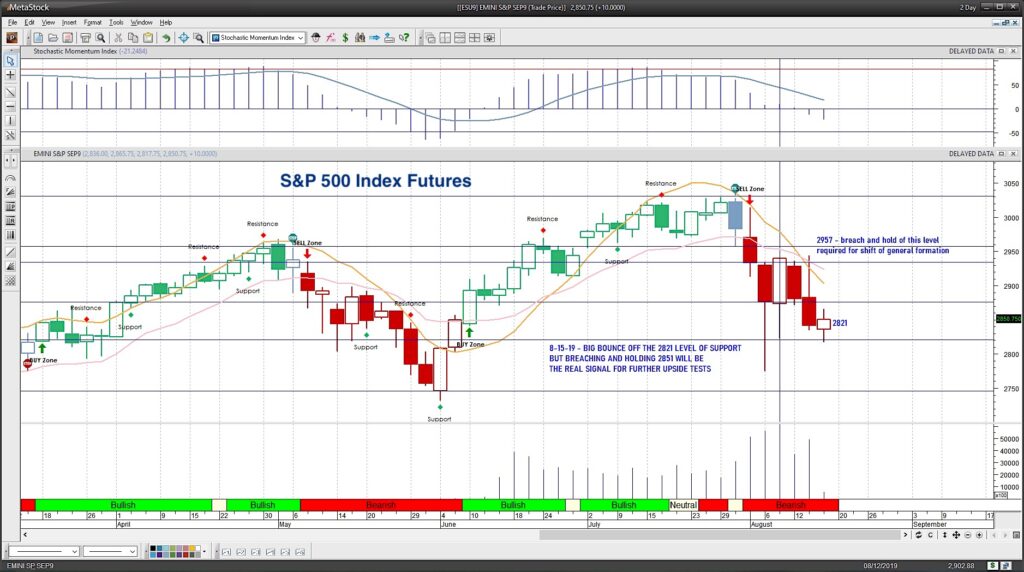
US Stocks Futures Market Forecast Analysis: Navigating Uncertainty
The US stocks futures market provides a crucial early glimpse into the potential direction of the stock market. Understanding the nuances of the US stocks futures market requires a comprehensive forecast analysis, particularly in the current environment characterized by economic uncertainty, inflation concerns, and geopolitical tensions. This article delves into the factors influencing the US stocks futures market, offering insights into potential market movements and strategies for navigating the complexities ahead. We will analyze the current trends, discuss key indicators, and provide a forecast analysis based on available data and expert opinions.
Understanding US Stocks Futures
Stock futures are contracts that obligate the buyer to purchase, or the seller to sell, a specific stock index at a predetermined price on a future date. These contracts allow investors to speculate on the direction of the market and hedge their existing portfolios. The major US stock index futures include the S&P 500 futures (ES), Nasdaq 100 futures (NQ), Dow Jones Industrial Average futures (YM), and Russell 2000 futures (TF). These futures contracts trade nearly 24 hours a day, providing continuous insight into market sentiment.
Key Drivers of US Stocks Futures Market
Several factors influence the US stocks futures market. Economic data releases, such as inflation reports, employment figures, and GDP growth, play a significant role. These reports provide insights into the health of the economy and can significantly impact investor sentiment. Central bank policy, particularly decisions by the Federal Reserve (Fed) regarding interest rates and quantitative easing, also has a profound effect. Geopolitical events, such as international conflicts, trade wars, and political instability, can introduce volatility and uncertainty into the market.
Corporate earnings reports are another crucial driver. Strong earnings can boost investor confidence, while disappointing results can trigger sell-offs. Furthermore, technological advancements, regulatory changes, and shifts in consumer behavior all contribute to the dynamic nature of the US stocks futures market.
Current Market Trends and Analysis
Currently, the US stocks futures market is exhibiting a mix of bullish and bearish signals. Inflation remains a persistent concern, prompting the Fed to maintain a hawkish stance on monetary policy. Rising interest rates can put downward pressure on stock prices, as they increase borrowing costs for companies and reduce the attractiveness of equities compared to bonds. However, strong corporate earnings and resilient consumer spending have provided some support to the market.
The technology sector, in particular, has shown signs of strength, driven by advancements in artificial intelligence (AI) and cloud computing. However, valuations in this sector remain high, making it vulnerable to corrections. The energy sector has also performed well, benefiting from rising oil prices and increased demand. [See also: Energy Sector Performance in 2024]
Analyzing Economic Indicators
To effectively forecast analysis the US stocks futures market, it’s essential to monitor key economic indicators. The Consumer Price Index (CPI) and the Producer Price Index (PPI) provide insights into inflation trends. The unemployment rate and job growth figures reflect the health of the labor market. GDP growth indicates the overall economic output. The ISM Manufacturing and Services indices provide insights into business activity in the manufacturing and service sectors.
Monitoring these indicators allows investors to gauge the overall health of the economy and anticipate potential market movements. For instance, a strong jobs report might boost investor confidence, leading to gains in the US stocks futures market. Conversely, a higher-than-expected inflation reading could trigger concerns about further interest rate hikes, resulting in a sell-off.
Potential Risks and Challenges
The US stocks futures market faces several potential risks and challenges. Inflation remains a significant threat, as persistent price pressures could force the Fed to adopt a more aggressive tightening policy. This could lead to a recession, which would negatively impact corporate earnings and stock prices. Geopolitical tensions, such as the ongoing conflict in Ukraine and rising tensions between the US and China, also pose a risk. These events can disrupt global supply chains and create uncertainty in the market.
Another challenge is the potential for a slowdown in global economic growth. Many countries are facing economic headwinds, including high inflation, rising interest rates, and supply chain disruptions. A global recession could negatively impact US exports and corporate earnings. Furthermore, the high level of debt in the US economy poses a risk. Rising interest rates could make it more difficult for companies and consumers to service their debts, potentially leading to defaults and bankruptcies.
Forecast Analysis and Potential Scenarios
Based on the current market conditions and economic outlook, several potential scenarios could play out in the US stocks futures market. A bullish scenario would involve a continued decline in inflation, a resilient economy, and strong corporate earnings. In this scenario, the US stocks futures market could continue to rise, driven by investor optimism and increased risk appetite. A bearish scenario would involve a resurgence of inflation, a recession, and weak corporate earnings. In this scenario, the US stocks futures market could experience a significant correction, as investors become more risk-averse and sell off their holdings.
A more moderate scenario would involve a period of consolidation, with the US stocks futures market trading within a range. In this scenario, the market would be influenced by conflicting factors, such as inflation concerns and strong economic data. Investors would likely remain cautious, waiting for more clarity on the economic outlook before making significant moves.
Strategies for Navigating the Market
Given the uncertainty in the US stocks futures market, it’s essential to adopt a prudent investment strategy. Diversification is key, as it helps to reduce risk by spreading investments across different asset classes and sectors. It’s also important to maintain a long-term perspective, as short-term market fluctuations can be misleading. Consider consulting with a financial advisor to develop a personalized investment plan that aligns with your risk tolerance and financial goals.
Active management can also be beneficial, as it allows investors to adjust their portfolios based on changing market conditions. This may involve increasing exposure to certain sectors that are expected to outperform or reducing exposure to sectors that are expected to underperform. However, active management requires significant time and expertise, so it may not be suitable for all investors. [See also: Active vs. Passive Investing Strategies]
The Role of Technology in Market Analysis
Technology plays an increasingly important role in forecast analysis the US stocks futures market. Algorithmic trading, which uses computer programs to execute trades based on pre-defined rules, is becoming more prevalent. This can lead to increased volatility and faster price movements. Artificial intelligence (AI) is also being used to analyze market data and identify potential trading opportunities. AI-powered tools can process vast amounts of information, including economic data, news articles, and social media sentiment, to generate insights that would be difficult for human analysts to identify.
Furthermore, advanced charting software and data analytics platforms provide investors with powerful tools for analyzing market trends and identifying potential trading opportunities. These tools can help investors to make more informed decisions and improve their overall investment performance.
Conclusion
The US stocks futures market is a complex and dynamic environment influenced by a multitude of factors. Understanding these factors and adopting a prudent investment strategy is essential for navigating the market successfully. By monitoring key economic indicators, analyzing market trends, and considering potential risks and challenges, investors can make more informed decisions and achieve their financial goals. A thorough forecast analysis is crucial for anyone participating in the US stocks futures market. While uncertainty persists, a well-informed approach can help investors mitigate risks and capitalize on opportunities. The US stocks futures market will continue to be shaped by economic data, central bank policies, and global events, requiring constant vigilance and adaptability. It’s essential to stay informed and adjust strategies as the market evolves. The future of the US stocks futures market hinges on a delicate balance of economic recovery, inflation control, and geopolitical stability, making continuous monitoring and adaptive strategies indispensable.
