US Stocks Futures Market Forecast Analysis: Navigating Uncertainty in 2024
The US stocks futures market offers a glimpse into the potential direction of the stock market. As we move further into 2024, understanding the various factors influencing these futures is crucial for investors and traders alike. This analysis delves into the current landscape, examines key economic indicators, and provides insights into potential future scenarios for the US stocks futures market.
Current Market Overview
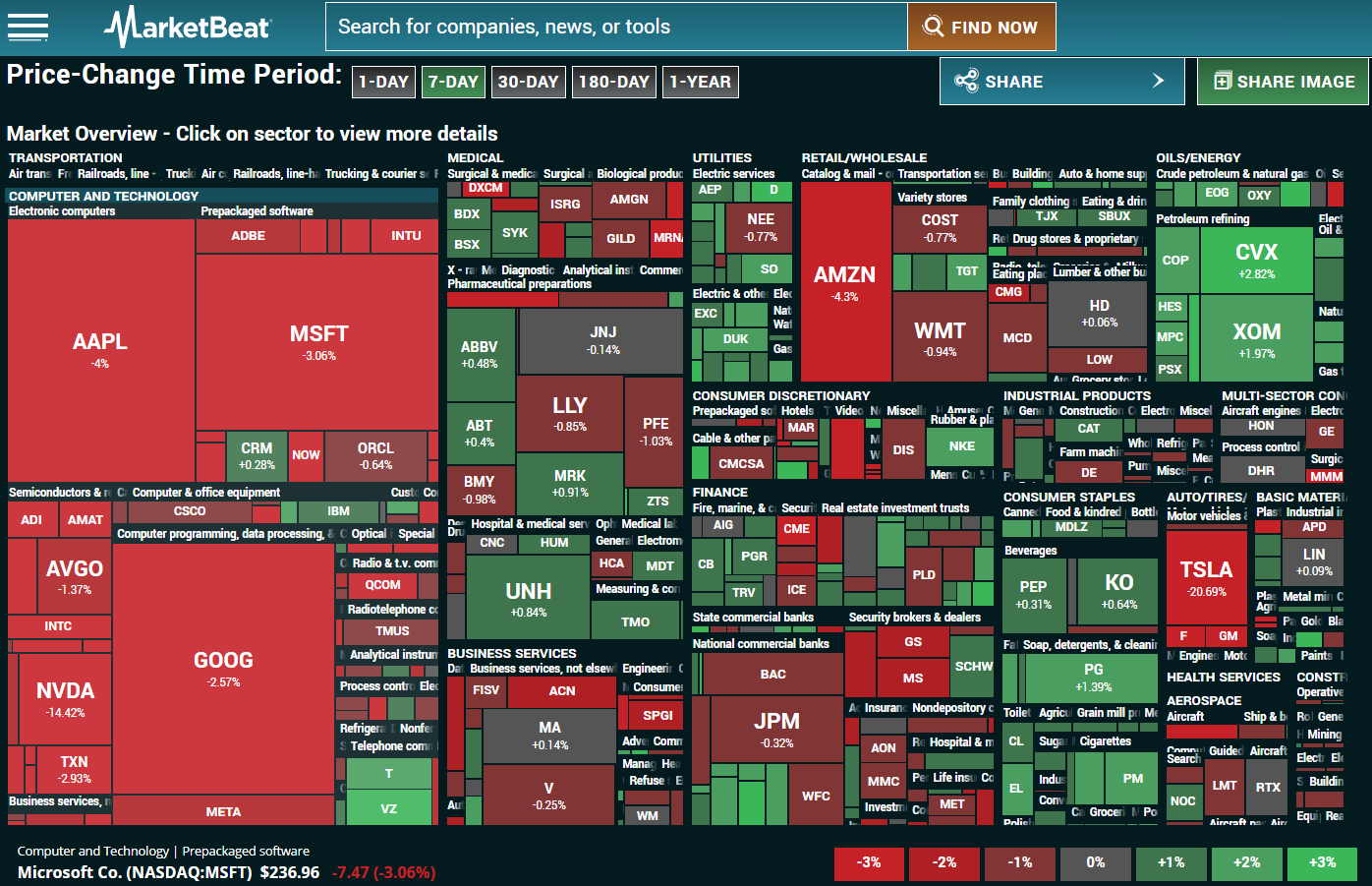
The US stocks futures market is currently characterized by a mix of optimism and caution. Several factors are contributing to this environment, including inflation concerns, interest rate policies by the Federal Reserve, and geopolitical uncertainties. Recent economic data releases have painted a complex picture, with some indicators suggesting a slowing economy while others point to continued resilience. This divergence creates a challenging environment for forecasting.
Specifically, the performance of major indices such as the S&P 500 futures (ES), Nasdaq 100 futures (NQ), and Dow Jones Industrial Average futures (YM) is closely watched. These contracts reflect the collective sentiment regarding the largest companies in the US, offering a broad gauge of market direction. Increased volatility has been observed in these futures contracts, reflecting the heightened uncertainty surrounding the economic outlook. [See also: Understanding Stock Market Volatility]
Key Economic Indicators to Watch
Several economic indicators play a pivotal role in shaping the US stocks futures market forecast. These include:
- Inflation Rate: Persistently high inflation can erode corporate profits and consumer spending, negatively impacting stocks. Conversely, a controlled decline in inflation can boost market confidence.
- Interest Rate Decisions: The Federal Reserve’s monetary policy decisions, particularly regarding interest rates, have a direct impact on borrowing costs for companies and consumers. Higher rates can dampen economic activity and pressure stock prices.
- Gross Domestic Product (GDP) Growth: A strong GDP growth rate indicates a healthy economy, typically supporting positive stock market performance. Conversely, a recessionary environment can lead to significant market declines.
- Unemployment Rate: A low unemployment rate generally signals a strong labor market, which can boost consumer spending and corporate profitability. However, an extremely tight labor market can also contribute to inflationary pressures.
- Consumer Confidence: Measures of consumer confidence reflect the overall sentiment of households regarding the economy. High consumer confidence typically translates into increased spending, benefiting businesses and the stock market.
- Manufacturing and Services PMIs: Purchasing Managers’ Indices (PMIs) provide insights into the health of the manufacturing and services sectors. Readings above 50 indicate expansion, while readings below 50 suggest contraction.
Factors Influencing the US Stocks Futures Market
Beyond economic indicators, several other factors can significantly influence the US stocks futures market:
- Geopolitical Risks: International conflicts, trade disputes, and political instability can create uncertainty and negatively impact market sentiment.
- Corporate Earnings: The earnings performance of publicly traded companies is a crucial driver of stock prices. Strong earnings growth typically supports positive market trends.
- Technological Advancements: Innovations in technology can disrupt industries and create new investment opportunities. The performance of tech stocks often has a significant impact on the overall market.
- Government Policies: Fiscal policies, regulatory changes, and trade agreements can all influence the business environment and impact the stock market.
- Investor Sentiment: Market psychology and investor sentiment play a significant role in short-term price movements. Fear and greed can drive irrational buying and selling behavior.
Potential Future Scenarios for US Stocks Futures
Based on the current market conditions and key economic indicators, several potential scenarios could unfold in the US stocks futures market:
Scenario 1: Soft Landing
In this scenario, the Federal Reserve successfully navigates a reduction in inflation without triggering a significant recession. Interest rates gradually decline, supporting economic growth and corporate profitability. The US stocks futures market experiences moderate gains, with volatility remaining relatively low. [See also: Strategies for a Soft Landing Economy]
Scenario 2: Recession
If inflation proves more persistent than anticipated, the Federal Reserve may need to maintain high interest rates for longer, potentially triggering a recession. Corporate earnings decline, and unemployment rises. The US stocks futures market experiences a significant downturn, with increased volatility and sharp price declines.
Scenario 3: Stagflation
Stagflation, characterized by high inflation and slow economic growth, presents a challenging environment for investors. Corporate profits are squeezed, and consumer spending declines. The US stocks futures market experiences volatile trading, with limited upside potential.
Scenario 4: Continued Growth
Despite concerns, the US economy continues to demonstrate resilience. Technological innovation drives productivity gains, and consumer spending remains robust. The US stocks futures market experiences strong growth, driven by positive corporate earnings and investor confidence.
Analyzing Specific US Stocks Futures Contracts
A more granular analysis requires examining specific futures contracts:
- E-mini S&P 500 Futures (ES): This is one of the most liquid and widely traded futures contracts. It’s a good barometer of overall market sentiment. Analyzing the trading volume and open interest can provide insights into market participation.
- E-mini Nasdaq 100 Futures (NQ): Heavily influenced by technology stocks, NQ futures are more volatile. Monitor technology sector news and earnings reports to gauge its potential direction.
- E-mini Dow Jones Futures (YM): Represents 30 of the largest US companies. Less volatile than NQ, it reflects the performance of established, blue-chip corporations.
- Russell 2000 Futures (RTY): Reflects the performance of small-cap companies. RTY futures can indicate the risk appetite of investors.
Technical analysis, including charting patterns, moving averages, and relative strength index (RSI), can be used to identify potential entry and exit points for these contracts.
Strategies for Navigating the US Stocks Futures Market
Given the uncertainty in the US stocks futures market, investors and traders should consider the following strategies:
- Diversification: Spreading investments across different asset classes can help mitigate risk.
- Risk Management: Implementing stop-loss orders and managing position sizes can help limit potential losses.
- Due Diligence: Thoroughly researching companies and understanding market trends is crucial for making informed investment decisions.
- Hedging: Using options or other derivatives can help protect against potential market declines.
- Staying Informed: Continuously monitoring economic data, news events, and market developments is essential for adapting to changing conditions.
The Role of Technical Analysis in Forecasting
Technical analysis plays a significant role in forecasting the direction of the US stocks futures market. Chart patterns, such as head and shoulders, double tops, and triangles, can provide clues about potential price movements. Technical indicators, such as moving averages, MACD, and RSI, can help identify overbought and oversold conditions.
However, it’s important to note that technical analysis is not foolproof and should be used in conjunction with fundamental analysis and risk management techniques.
The Impact of Global Events on US Stocks Futures
Global events can have a significant impact on the US stocks futures market. For example, unexpected geopolitical events, such as wars or political instability, can trigger sharp market declines. Changes in global trade policies can also affect the performance of multinational corporations and the overall stock market.
Monitoring global news and understanding the potential impact of international events is crucial for making informed investment decisions.
Conclusion
The US stocks futures market forecast analysis requires a comprehensive understanding of economic indicators, geopolitical risks, and market dynamics. While predicting the future with certainty is impossible, by carefully analyzing these factors and implementing sound risk management strategies, investors and traders can navigate the uncertainties and capitalize on potential opportunities in the US stocks futures market. The performance of the US stocks futures market remains a key indicator of broader economic health, and staying informed is paramount for success. The US stocks futures market is affected by interest rates. The US stocks futures market can be volatile. The US stocks futures market and its trends should be monitored closely. Understanding the US stocks futures market is crucial for investment decisions. The future of the US stocks futures market depends on many factors.
