What Are Forex Signals: A Comprehensive Guide for Traders
Navigating the complexities of the foreign exchange (forex) market can be daunting, especially for newcomers. With fluctuating exchange rates, technical indicators, and economic news influencing trading decisions, it’s no wonder many traders seek assistance. This is where forex signals come into play. But what are forex signals exactly? This comprehensive guide will delve into the world of forex signals, explaining their purpose, types, benefits, risks, and how to choose a reliable provider. Understanding forex signals can potentially enhance your trading strategy and improve your overall success in the forex market. This article is designed to provide you with everything you need to know about forex signals.
Understanding Forex Signals
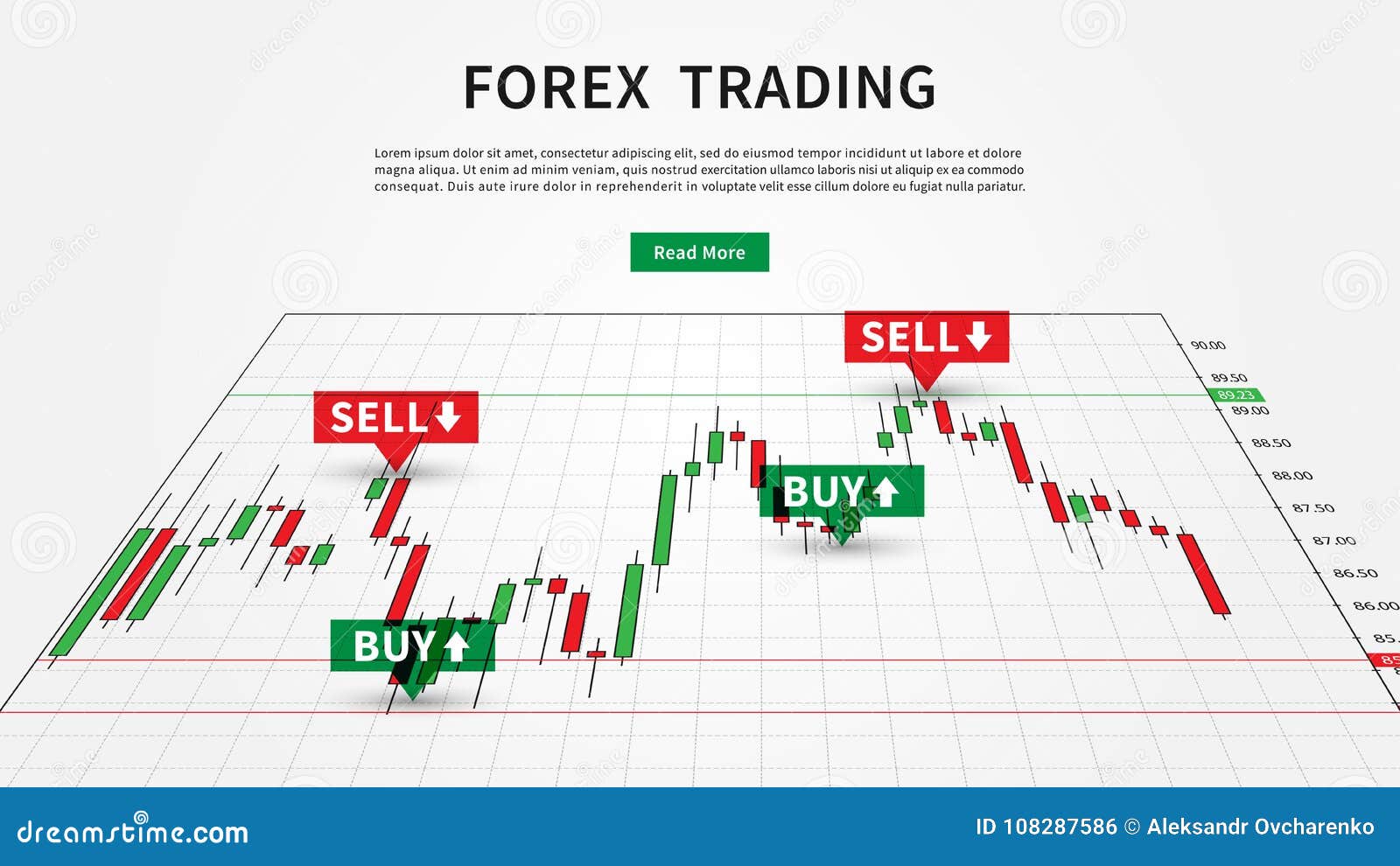
At their core, forex signals are trading suggestions or recommendations for currency pairs at specific prices and times. These signals are generated based on technical analysis, fundamental analysis, or a combination of both. They typically include details such as the currency pair, entry price, stop-loss level, and take-profit level. In essence, they tell you when to buy or sell a particular currency pair.
Forex signals are designed to save traders time and effort by providing ready-made trading ideas. Instead of spending hours analyzing charts and news reports, traders can simply follow the signals generated by a provider. This is particularly useful for individuals who have limited time or lack the expertise to conduct in-depth market analysis.
Types of Forex Signals
Forex signals can be categorized based on the method used to generate them. Here are some of the most common types:
Technical Analysis Signals
These signals are based on the analysis of price charts and technical indicators. Technical analysts use tools like moving averages, Fibonacci retracements, and oscillators to identify potential trading opportunities. They look for patterns and trends that suggest future price movements. Technical forex signals are often short-term and focus on exploiting short-term price fluctuations.
Fundamental Analysis Signals
Fundamental analysis involves evaluating economic indicators, news events, and geopolitical factors that can influence currency values. Fundamental analysts monitor data releases such as GDP growth, inflation rates, and employment figures to assess the strength of a country’s economy. They also consider political stability and major global events. Fundamental forex signals tend to be longer-term and reflect the underlying economic conditions of a country.
Sentiment Analysis Signals
Sentiment analysis involves gauging the overall market sentiment towards a particular currency. This can be done by monitoring news headlines, social media posts, and investor surveys. If the market sentiment is positive, it suggests that the currency is likely to appreciate. Conversely, negative sentiment indicates a potential decline. Sentiment-based forex signals can be useful for identifying potential trend reversals.
Automated Trading Signals (Expert Advisors)
Automated trading systems, also known as Expert Advisors (EAs), are computer programs that automatically generate and execute trades based on pre-defined rules. These systems can be programmed to follow technical indicators, fundamental data, or a combination of both. EAs can operate 24/7, allowing traders to take advantage of trading opportunities even when they are not actively monitoring the market. Automated forex signals are particularly popular among traders who want to automate their trading strategies.
Benefits of Using Forex Signals
Using forex signals can offer several advantages to traders, including:
- Time Savings: Forex signals eliminate the need for traders to spend hours analyzing the market. They provide ready-made trading ideas that can be implemented quickly.
- Expert Guidance: Signals are often generated by experienced traders or analysts who have a deep understanding of the forex market. This can provide valuable guidance, especially for novice traders.
- Improved Decision-Making: By following forex signals, traders can make more informed trading decisions based on objective analysis rather than emotions.
- Learning Opportunities: Observing the signals and analyzing the reasons behind them can help traders improve their own trading skills and knowledge.
- Diversification: Forex signals can help traders diversify their trading strategies by exposing them to different currency pairs and trading approaches.
Risks and Limitations of Forex Signals
While forex signals can be beneficial, it’s important to be aware of their potential risks and limitations:
- No Guarantee of Profit: Forex signals are not a guaranteed path to profit. The forex market is inherently volatile, and even the best signals can result in losses.
- Potential for Scams: The forex market is rife with scams, and many signal providers make unrealistic promises or provide inaccurate information.
- Dependence: Relying too heavily on forex signals can hinder the development of your own trading skills and knowledge.
- Delayed Signals: By the time you receive a signal, the market conditions may have already changed, making the signal less effective.
- Lack of Customization: Forex signals may not always align with your individual trading style or risk tolerance.
How to Choose a Reliable Forex Signal Provider
Selecting a reliable forex signal provider is crucial to minimizing risks and maximizing potential profits. Here are some factors to consider:
- Reputation: Research the provider’s reputation by reading reviews and testimonials from other traders. Look for providers with a proven track record of success.
- Transparency: Choose a provider that is transparent about its trading strategies and methods. Avoid providers that make unrealistic promises or refuse to disclose their approach.
- Historical Performance: Examine the provider’s historical performance data. Look for consistent profitability over a long period of time. However, keep in mind that past performance is not necessarily indicative of future results.
- Risk Management: A good signal provider should emphasize risk management by providing clear stop-loss and take-profit levels.
- Cost: Compare the cost of different signal providers and choose one that offers a reasonable price for the value provided. Be wary of providers that charge exorbitant fees.
- Trial Period: Look for providers that offer a free trial period or a money-back guarantee. This allows you to test the signals before committing to a long-term subscription.
- Support: Ensure that the provider offers adequate customer support in case you have any questions or issues.
Integrating Forex Signals into Your Trading Strategy
Forex signals should not be used blindly. It’s important to integrate them into your own trading strategy and use them as a tool to enhance your decision-making process. Here are some tips for integrating forex signals effectively:
- Confirm Signals: Before acting on a signal, confirm it by conducting your own analysis. Use technical indicators, fundamental data, and market sentiment to validate the signal’s accuracy.
- Manage Risk: Always use proper risk management techniques, such as setting stop-loss orders and limiting your position size. Never risk more than you can afford to lose.
- Adapt to Market Conditions: Be prepared to adjust your trading strategy based on changing market conditions. Forex signals are not always accurate, and it’s important to be flexible and adaptable.
- Keep a Trading Journal: Track your trades and analyze your results. This will help you identify patterns and improve your trading skills over time.
- Continuous Learning: Stay informed about market trends and economic developments. The more you know about the forex market, the better equipped you will be to make informed trading decisions.
Examples of Forex Signal Providers
Several forex signal providers are available in the market, each with its own strengths and weaknesses. Some popular options include:
- Learn 2 Trade: Offers a variety of forex signals and educational resources.
- ForexSignals.io: Provides signals based on technical analysis and market sentiment.
- FXLeaders: Offers a wide range of forex signals from multiple providers.
- DailyForex: Provides forex signals and market analysis.
It’s important to research and compare different providers before making a decision. Consider factors such as reputation, transparency, historical performance, and cost.
Conclusion
Forex signals can be a valuable tool for traders of all levels. They can save time, provide expert guidance, and improve decision-making. However, it’s important to understand the risks and limitations of forex signals and to choose a reliable provider. By integrating forex signals into your own trading strategy and using them as a tool to enhance your decision-making process, you can potentially improve your overall success in the forex market. Remember to always conduct your own analysis, manage risk effectively, and stay informed about market trends. Understanding what are forex signals is only the first step; responsible and informed usage is key to achieving your trading goals. Always remember that trading involves risk, and you should only trade with money you can afford to lose. [See also: Forex Trading Strategies for Beginners]
