What are Forex Signals: A Comprehensive Guide for Traders
In the fast-paced world of foreign exchange (forex) trading, making informed decisions quickly can be the difference between profit and loss. One tool that many traders, both novice and experienced, utilize to aid in their trading strategies is forex signals. But what are forex signals, and how can they be used effectively? This comprehensive guide aims to demystify forex signals, providing a clear understanding of their purpose, types, benefits, risks, and how to choose the right ones for your trading needs.
Understanding Forex Signals
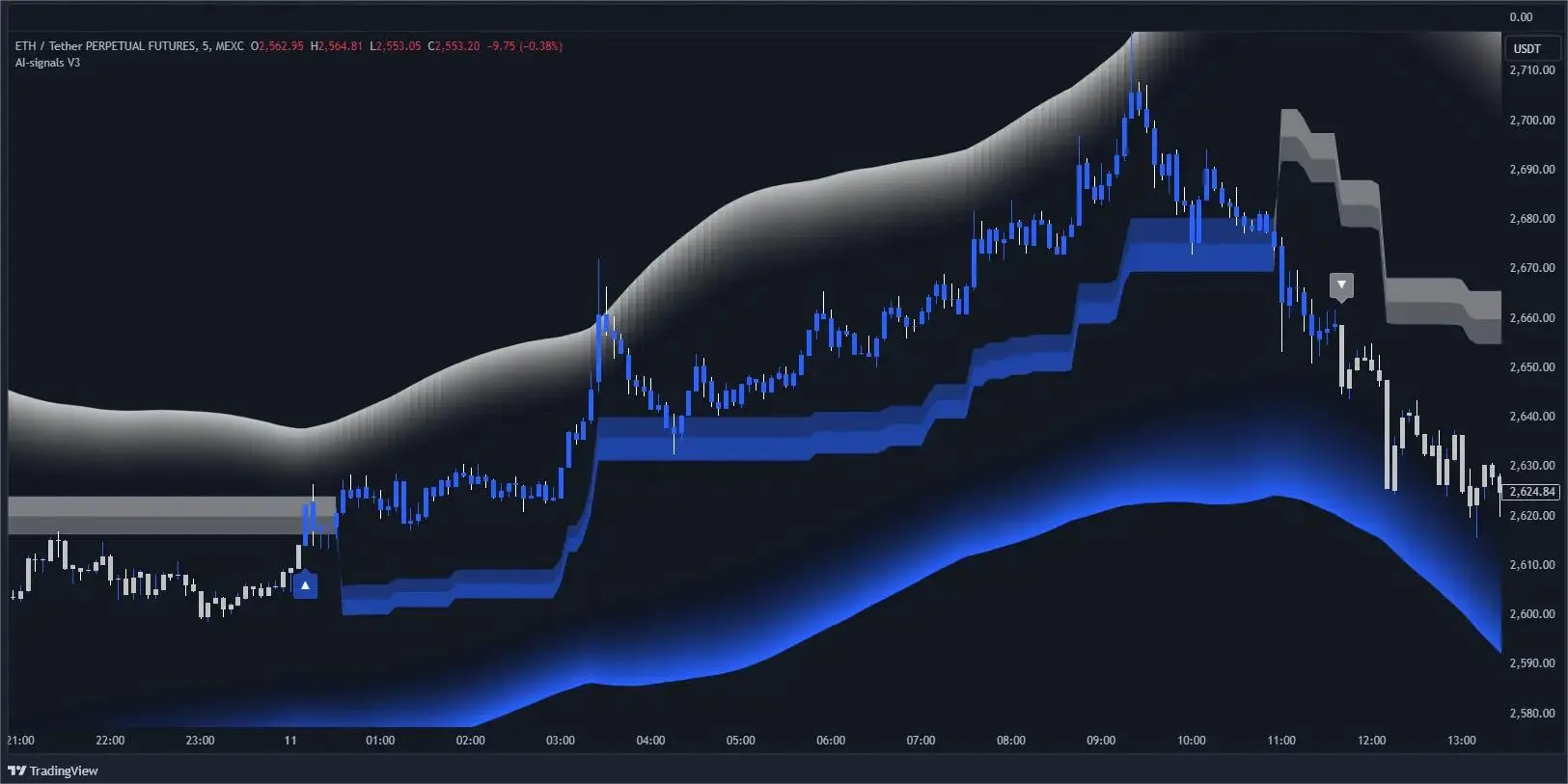
At their core, forex signals are essentially trading suggestions or recommendations for currency pairs at specific price levels and times. These signals are generated based on technical analysis, fundamental analysis, or a combination of both. They typically include details such as the currency pair to trade, whether to buy (go long) or sell (go short), the entry price, and suggested stop-loss and take-profit levels. The goal of using forex signals is to identify potentially profitable trading opportunities without requiring the trader to spend countless hours analyzing charts and news.
The Components of a Forex Signal
- Currency Pair: Specifies which two currencies are involved in the trade (e.g., EUR/USD, GBP/JPY).
- Direction: Indicates whether to buy (long) or sell (short) the currency pair.
- Entry Price: The price at which the trade should be initiated.
- Stop-Loss: The price level at which to automatically close the trade to limit potential losses.
- Take-Profit: The price level at which to automatically close the trade to secure profits.
Types of Forex Signals
Forex signals can be categorized based on how they are generated. Understanding these different types can help traders choose the signals that best align with their trading style and risk tolerance.
Technical Analysis Signals
These signals are generated by analyzing price charts and using technical indicators such as moving averages, Relative Strength Index (RSI), Moving Average Convergence Divergence (MACD), and Fibonacci levels. Technical analysts look for patterns and trends in historical price data to predict future price movements. Forex signals based on technical analysis are often short-term and focus on identifying potential breakout or reversal points.
Fundamental Analysis Signals
Fundamental analysis involves evaluating economic indicators, news events, and geopolitical factors that can influence currency values. These signals are typically longer-term and are based on the understanding that currency values are driven by the underlying economic health of the countries involved. Examples of fundamental factors include interest rate decisions, inflation data, employment reports, and political stability.
Automated Signals (Trading Robots or Expert Advisors)
Automated forex signals are generated by trading robots, also known as Expert Advisors (EAs), which are computer programs designed to automatically execute trades based on pre-defined rules and algorithms. These EAs can analyze market data, identify trading opportunities, and execute trades without human intervention. While automated signals can be convenient, it’s crucial to thoroughly test and monitor their performance, as market conditions can change, and an EA that was profitable in the past may not be so in the future.
Manual Signals
Manual forex signals are generated by human analysts who manually analyze charts, news, and economic data to identify potential trading opportunities. These analysts often have years of experience and a deep understanding of the forex market. Manual signals can be more flexible and adaptable to changing market conditions than automated signals, but they also require more time and effort to generate.
Benefits of Using Forex Signals
Using forex signals can offer several benefits to traders, particularly those who are new to the forex market or who have limited time to dedicate to trading.
- Time-Saving: Forex signals can save traders a significant amount of time by providing ready-made trading suggestions. This allows traders to focus on other aspects of their lives or on other investments.
- Learning Opportunity: By following forex signals, traders can learn about different trading strategies and techniques. They can observe how the signals are generated and how they perform over time, which can help them develop their own trading skills.
- Potential Profitability: If used correctly, forex signals can help traders identify profitable trading opportunities and increase their overall profitability.
- Access to Expertise: By subscribing to a reputable signal provider, traders can gain access to the expertise of experienced analysts and traders.
- Emotional Detachment: Using signals can help remove some of the emotional aspects of trading, as traders are following pre-determined rules rather than making impulsive decisions based on fear or greed.
Risks and Considerations
While forex signals can be beneficial, it’s important to be aware of the risks and considerations associated with their use.
- No Guarantee of Profit: Forex signals are not a guaranteed path to profit. The forex market is inherently volatile and unpredictable, and even the best signals can result in losses.
- Scams and Unreliable Providers: Unfortunately, there are many scam artists and unreliable signal providers in the forex market. It’s crucial to do thorough research and choose a reputable provider with a proven track record.
- Over-Reliance: Relying too heavily on forex signals can prevent traders from developing their own trading skills and knowledge. It’s important to use signals as a tool to supplement your own analysis, not as a substitute for it.
- Cost: Many signal providers charge a subscription fee for their services. It’s important to consider the cost of the signals and whether the potential benefits outweigh the cost.
- Lack of Control: When using automated signals, traders may have limited control over the trading process. It’s important to understand the EA’s settings and parameters and to monitor its performance closely.
How to Choose the Right Forex Signals Provider
Choosing the right forex signals provider is crucial to maximizing the potential benefits and minimizing the risks. Here are some factors to consider when selecting a provider:
- Reputation and Track Record: Look for providers with a proven track record of generating profitable signals. Check online reviews and forums to see what other traders are saying about the provider.
- Transparency: A reputable provider should be transparent about their trading strategies and how their signals are generated. They should also provide detailed performance reports, including win rates, profit factors, and drawdown statistics.
- Cost: Compare the subscription fees of different providers and choose one that offers a fair price for the quality of their signals. Be wary of providers that promise unrealistic returns or charge exorbitant fees.
- Customer Support: Choose a provider that offers responsive and helpful customer support. You should be able to easily contact them with any questions or concerns.
- Trial Period: Many providers offer a free trial period or a money-back guarantee. This allows you to test their signals and see if they meet your needs before committing to a long-term subscription.
Integrating Forex Signals into Your Trading Strategy
Forex signals should be integrated into your overall trading strategy, not used as a standalone solution. Here are some tips for effectively using forex signals:
- Combine Signals with Your Own Analysis: Don’t blindly follow forex signals without doing your own research. Use the signals as a starting point and then conduct your own technical and fundamental analysis to confirm the trading opportunity.
- Manage Your Risk: Always use proper risk management techniques, such as setting stop-loss orders and limiting your position size. Never risk more than you can afford to lose on any single trade.
- Test and Evaluate: Before trading with real money, test the signals on a demo account to evaluate their performance. Track your results and adjust your strategy as needed.
- Stay Informed: Keep up-to-date with market news and economic events that could affect your trades. Be aware of any potential risks or opportunities that could impact your trading decisions.
- Be Patient: Trading is a long-term game. Don’t expect to get rich quick by using forex signals. Be patient, disciplined, and persistent, and you will gradually improve your trading skills and profitability.
Conclusion
Forex signals can be a valuable tool for traders of all levels, providing potential time-saving, learning, and profitability benefits. However, it’s crucial to understand the risks and considerations associated with their use and to choose a reputable provider. By integrating forex signals into a well-rounded trading strategy and practicing proper risk management, traders can increase their chances of success in the dynamic world of forex trading. Remember to always validate the signals and do your own due diligence before making any trading decisions. [See also: Forex Trading Strategies for Beginners] and [See also: Understanding Forex Market Volatility]
