What Does Duty Free Mean? A Comprehensive Guide
Traveling internationally often comes with a sense of excitement, adventure, and sometimes, confusion about unfamiliar terms. One phrase that frequently pops up in airports and border crossings is “duty free.” But what does duty free mean, exactly? This comprehensive guide will break down the concept of duty free, explain its benefits, and help you navigate the world of tax-exempt shopping while traveling.
Understanding Duty and Taxes
To understand what duty free means, it’s crucial to first grasp the concepts of duties and taxes. Governments impose these charges on goods for various reasons, including generating revenue, protecting domestic industries, and regulating trade. Duties, also known as tariffs, are taxes levied on imported goods. Taxes, on the other hand, can be applied to both imported and domestically produced goods and services. These taxes can take various forms, such as value-added tax (VAT), sales tax, or excise tax.
These duties and taxes influence the final price consumers pay for products. When you purchase an item in your home country, the price usually includes all applicable taxes. However, when you travel internationally, you may encounter opportunities to buy goods in designated duty-free zones, where these taxes are not applied.
The Definition of Duty Free
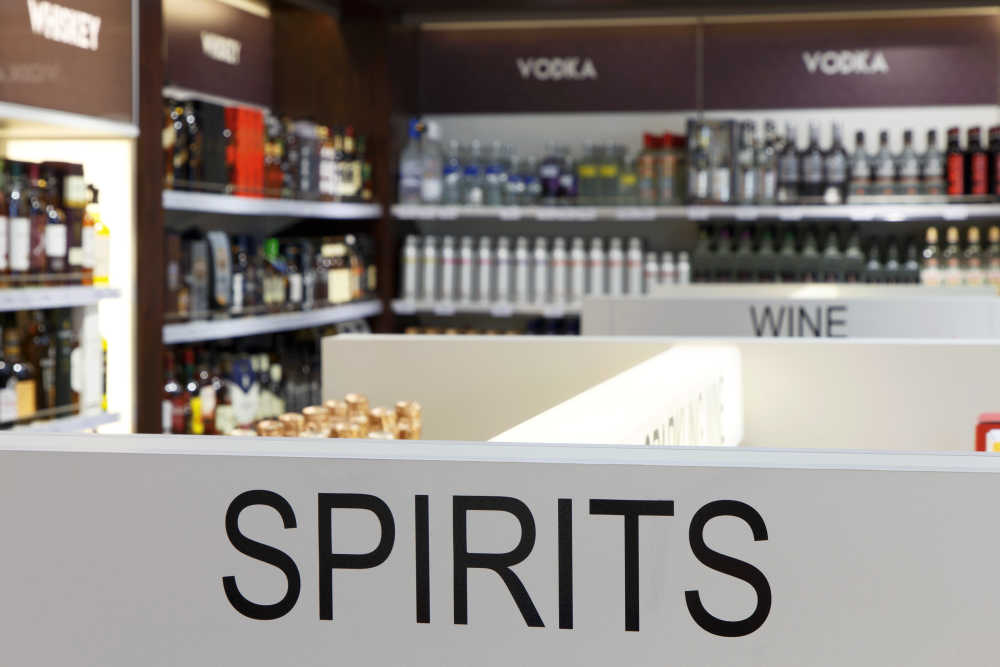
So, what does duty free mean in simple terms? Duty-free refers to goods that are exempt from the payment of certain import duties and taxes. These goods are typically sold in designated areas, such as international airports, seaports, and border shops. The concept is based on the principle that these goods are being exported for consumption in another country and therefore should not be subject to the import duties and taxes of the country where they are being sold.
Essentially, when you buy something duty-free, you are purchasing it without paying the taxes that would normally be included in the price. This can result in significant savings, especially on high-value items like alcohol, tobacco, perfumes, and luxury goods.
How Duty Free Works
The operation of duty-free shopping is relatively straightforward. Typically, you’ll find duty-free shops located in the international departure areas of airports, cruise ships, and border crossings. To purchase goods duty-free, you’ll usually need to present your passport and boarding pass or travel documents, which serve as proof that you are traveling to another country. This documentation confirms that you are eligible to buy goods without paying the applicable taxes.
The goods you purchase duty-free are often sealed in special bags to ensure that they are not consumed or used within the country where they were purchased. This is to prevent individuals from avoiding taxes by buying duty-free items and then using them locally. Upon arrival in your destination country, you will be required to declare any duty-free goods you are carrying and may be subject to import duties and taxes if you exceed the allowed allowances.
Benefits of Duty-Free Shopping
The primary benefit of duty-free shopping is the potential for significant savings. By avoiding import duties and taxes, you can often purchase goods at a lower price than you would in your home country. This can be particularly advantageous for expensive items, where the tax savings can be substantial. The savings you get depend on the specific tax rates in the country where the goods are being sold and the country where you eventually import them.
Another benefit is the convenience of purchasing goods while traveling. Duty-free shops often offer a wide selection of products, including popular brands and exclusive items that may not be available elsewhere. This allows travelers to conveniently buy gifts, souvenirs, or personal items without having to search for them in local stores.
Limitations and Considerations
While duty-free shopping can be attractive, it’s important to be aware of certain limitations and considerations. One key factor is the allowance limits imposed by your destination country. Most countries have regulations that limit the quantity and value of duty-free goods that travelers can bring in without paying import duties and taxes. If you exceed these allowances, you will be required to declare the goods and pay the applicable taxes.
Another consideration is that not all duty-free goods are necessarily cheaper than those sold elsewhere. Prices can vary depending on the retailer, the location, and the currency exchange rates. It’s always a good idea to compare prices before making a purchase to ensure that you are actually getting a good deal. Sometimes, local sales or promotions can offer better prices than duty-free shops.
Common Duty-Free Items
Duty-free shops typically offer a variety of products, including:
- Alcohol: Spirits, wine, and beer
- Tobacco products: Cigarettes, cigars, and tobacco
- Perfumes and cosmetics
- Luxury goods: Watches, jewelry, and designer accessories
- Electronics: Cameras, smartphones, and tablets
- Confectionery: Chocolates and sweets
- Souvenirs: Local crafts and memorabilia
The availability of specific items may vary depending on the location of the duty-free shop.
Duty-Free Allowances: What You Need to Know
Understanding duty-free allowances is crucial to avoid unexpected charges when you arrive at your destination. These allowances vary from country to country and may depend on factors such as your age, residency status, and the purpose of your trip. It’s essential to research the specific regulations of the countries you are visiting to ensure that you comply with the rules.
Typically, duty-free allowances are expressed in terms of quantity and value. For example, a country may allow you to bring in a certain number of liters of alcohol and a certain number of cigarettes without paying import duties and taxes, provided that the total value of the goods does not exceed a specified amount. If you exceed these allowances, you will be required to declare the goods and pay the applicable taxes. Failure to do so can result in fines or other penalties.
Examples of Duty-Free Allowances
To illustrate how duty-free allowances work, here are a few examples:
- United States: Residents returning to the United States are generally allowed to bring in $800 worth of goods duty-free, provided they have been outside the country for at least 48 hours. This allowance may include a specific amount of alcohol and tobacco.
- European Union: Travelers entering the EU from outside the EU are generally allowed to bring in a certain amount of goods duty-free, including alcohol, tobacco, and other items. The specific allowances vary depending on the country of entry.
- Canada: Residents returning to Canada are allowed to bring in goods duty-free, depending on the length of their absence from the country. The allowances increase with longer absences.
These are just a few examples, and the specific regulations may change over time. It’s important to consult the official websites of the customs authorities in the countries you are visiting for the most up-to-date information. [See also: Customs Regulations for International Travel]
Tips for Smart Duty-Free Shopping
To make the most of your duty-free shopping experience, consider these tips:
- Research duty-free allowances: Before you travel, find out the specific allowances for the countries you are visiting.
- Compare prices: Don’t assume that duty-free goods are always cheaper. Compare prices with other retailers to ensure that you are getting a good deal.
- Be aware of currency exchange rates: Exchange rates can affect the final price of duty-free goods.
- Check for promotions and discounts: Duty-free shops often offer special promotions and discounts.
- Keep your receipts: You may need to present your receipts to customs officials upon arrival at your destination.
- Pack carefully: Make sure that your duty-free goods are packed securely to avoid damage during transit.
The Future of Duty-Free Shopping
The landscape of duty-free shopping is constantly evolving, driven by factors such as changing consumer preferences, technological advancements, and evolving regulations. E-commerce and online retail are increasingly influencing the way travelers shop, and some duty-free retailers are adapting by offering online pre-order and delivery services.
Additionally, there is a growing focus on sustainability and ethical sourcing in the duty-free industry. Consumers are becoming more conscious of the environmental and social impact of their purchases, and retailers are responding by offering more eco-friendly products and supporting sustainable practices.
Conclusion
Understanding what duty free means is essential for any international traveler. By taking advantage of the opportunities offered by duty-free shopping, you can potentially save money on a variety of goods. However, it’s important to be aware of the limitations and considerations, such as allowance limits and price comparisons. By following the tips outlined in this guide, you can make the most of your duty-free shopping experience and avoid any unexpected surprises. So, the next time you find yourself in a duty-free shop, you’ll be well-equipped to make informed decisions and enjoy the benefits of tax-exempt shopping. Remember to always check the specific regulations of the countries you are visiting to ensure compliance with the rules. [See also: International Travel Checklist]
