What Does Duty-Free Mean? A Comprehensive Guide for Savvy Travelers
Have you ever strolled through an airport and noticed shops advertising “duty-free” goods? Perhaps you’ve wondered, what does duty-free mean exactly? The concept can seem a bit mysterious, but understanding it can unlock significant savings for travelers. This guide will demystify duty-free shopping, explaining its meaning, benefits, limitations, and providing tips to maximize your savings.
Understanding the Basics of Duty-Free
So, what does duty-free mean in simple terms? Duty-free refers to goods that are exempt from the payment of certain local or national taxes and duties. These taxes typically include excise duties, sales taxes, and value-added taxes (VAT). When you purchase items in a duty-free shop, you’re essentially buying them without these taxes factored into the price.
The Origin of Duty-Free Shopping
The concept of duty-free shopping dates back to the late 1940s. Shannon Airport in Ireland is widely credited with pioneering the first duty-free shop. This innovation catered primarily to transatlantic passengers who were stopping to refuel and provided a convenient way for them to purchase goods without incurring domestic taxes. The idea quickly gained popularity and spread to airports and other international travel hubs worldwide.
Where Can You Find Duty-Free Shops?
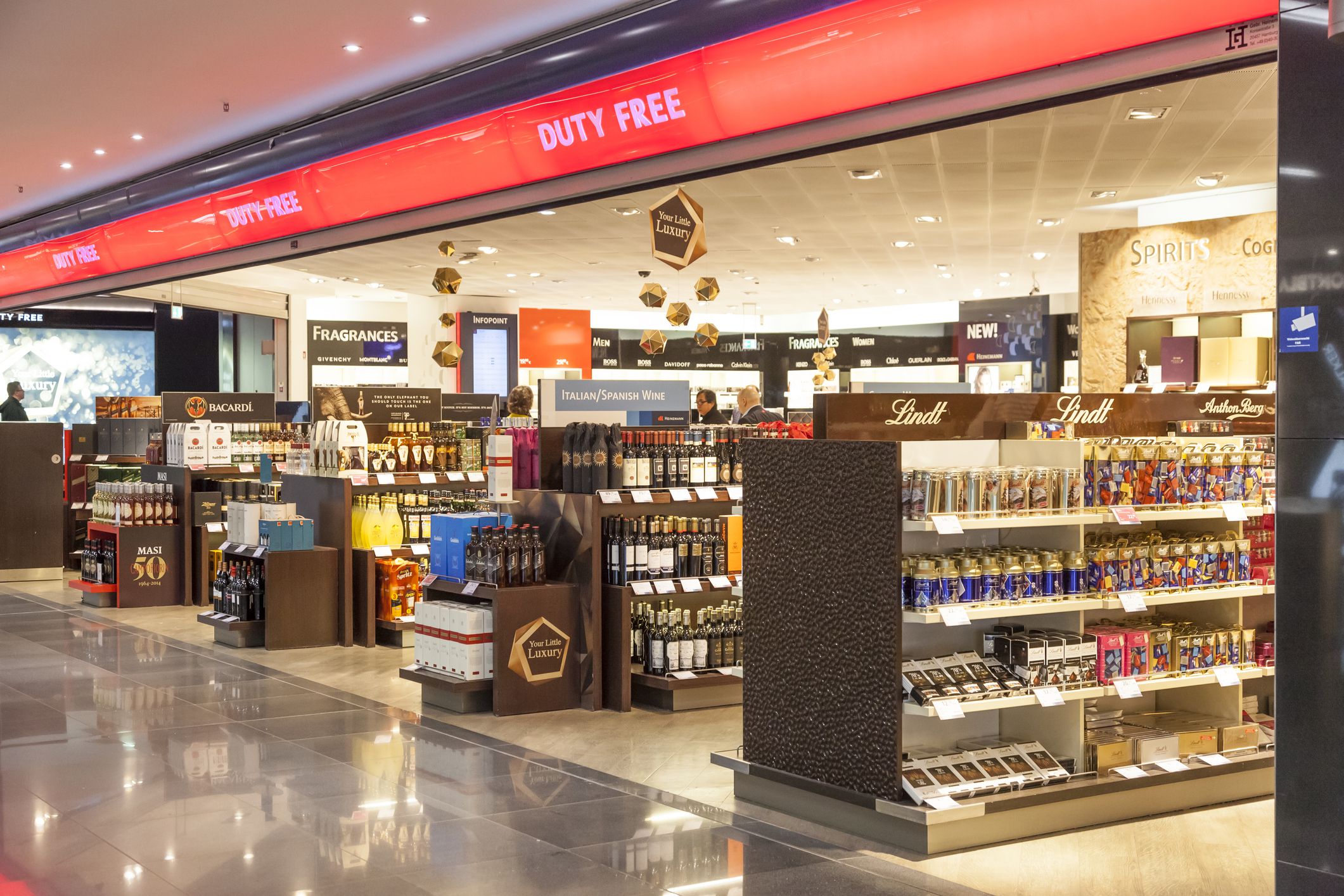
Duty-free shops are most commonly found in international airports, seaports, and border crossings. They are specifically located in areas designated as international zones, where travelers are either departing to or arriving from another country. Some countries also offer duty-free shopping in special economic zones or tourist areas. The key is that the goods are intended for export and consumption outside of the country where they are purchased.
The Benefits of Duty-Free Shopping
Now that we’ve answered, “what does duty-free mean,” let’s explore the advantages of shopping duty-free:
- Cost Savings: The primary benefit is the potential to save money. By avoiding taxes and duties, you can often purchase goods at a lower price than you would pay in a regular retail store.
- Exclusive Products: Some duty-free shops offer exclusive products or limited-edition items that are not available elsewhere. This can be particularly appealing for collectors or those seeking unique gifts.
- Convenience: Duty-free shops provide a convenient way to purchase souvenirs, gifts, or personal items while traveling, saving you time and effort compared to shopping in multiple stores.
- Last-Minute Purchases: If you forgot to buy a gift or need a last-minute item, duty-free shops can be a lifesaver.
Common Duty-Free Items
While the specific products available vary depending on the location, some of the most common items found in duty-free shops include:
- Alcohol: Spirits, wines, and beers are popular duty-free purchases, often offered at significantly reduced prices.
- Tobacco: Cigarettes, cigars, and other tobacco products are also commonly available duty-free.
- Perfumes and Cosmetics: Fragrances, makeup, and skincare products are frequently sold in duty-free shops.
- Luxury Goods: Designer handbags, watches, jewelry, and other luxury items can sometimes be found at discounted prices.
- Confectionery: Chocolates, candies, and other sweets are popular for gifts or personal enjoyment.
- Electronics: Although less common, some duty-free shops offer electronics like headphones or travel adapters.
Limitations and Considerations of Duty-Free Shopping
While duty-free shopping offers numerous advantages, it’s important to be aware of its limitations:
- Allowance Limits: Each country has specific allowance limits for duty-free goods. These limits dictate the quantity and value of items you can bring into the country without paying taxes. Exceeding these limits can result in you having to pay duties on the excess goods.
- Destination Restrictions: Some countries have restrictions on the import of certain goods, such as alcohol or tobacco. Be sure to check the regulations of your destination country before making a purchase.
- Price Comparison: While duty-free prices are often lower than retail prices, it’s still wise to compare prices with online retailers or local stores, especially for electronics and luxury goods. Sometimes, promotions or discounts elsewhere might offer a better deal.
- Authenticity: While rare, there have been instances of counterfeit goods being sold in duty-free shops. To avoid this, purchase from reputable stores and be wary of unusually low prices.
- Packaging and Transportation: Be mindful of packaging requirements, especially for liquids. Many airports require duty-free liquids to be sealed in tamper-evident bags. Also, consider how you will transport your purchases, especially if you have connecting flights.
Tips for Maximizing Your Duty-Free Savings
To make the most of your duty-free shopping experience, consider these tips:
- Plan Ahead: Research the prices of items you’re interested in buying before you travel. This will help you determine if the duty-free price is actually a good deal.
- Know Your Allowances: Familiarize yourself with the duty-free allowance limits of your destination country. This will prevent you from having to pay unexpected taxes.
- Compare Prices: Don’t assume that all duty-free shops offer the same prices. Compare prices between different shops to find the best deals.
- Check for Promotions: Look for promotions or discounts offered by duty-free shops. Many shops offer special deals on certain products or for specific credit card holders.
- Consider Exchange Rates: Be aware of the exchange rate between your home currency and the currency of the country where you’re shopping. This will help you accurately calculate the cost of your purchases.
- Keep Your Receipts: Keep your receipts as proof of purchase. You may need them to claim a refund if you’re eligible for a VAT refund.
The Future of Duty-Free Shopping
The duty-free industry continues to evolve, with retailers adapting to changing consumer preferences and technological advancements. Online duty-free shopping is becoming increasingly popular, allowing travelers to browse and purchase goods before they even arrive at the airport. Sustainability is also becoming a key focus, with duty-free shops offering more eco-friendly products and reducing their environmental impact. The fundamental question, “what does duty-free mean for the future?” suggests it will continue to adapt to global trends.
Duty-Free vs. Tax-Free: What’s the Difference?
It’s crucial to differentiate between duty-free and tax-free shopping, as the terms are often used interchangeably but have distinct meanings. As previously explained, what does duty-free mean? It means exemption from duties and taxes when goods are exported. Tax-free, on the other hand, typically refers to a refund of the Value Added Tax (VAT) paid on goods purchased within a country by non-residents. In a tax-free scheme, you initially pay the VAT and then claim a refund when you leave the country, provided you meet certain conditions.
Understanding the difference between duty-free and tax-free can help you make informed purchasing decisions while traveling. While duty-free shopping offers immediate savings, tax-free shopping requires a refund process. Both options can potentially save you money, but it’s important to understand the rules and regulations involved.
Conclusion
Understanding what does duty-free mean can significantly enhance your travel experience and potentially save you money. By understanding the benefits, limitations, and tips outlined in this guide, you can make informed decisions and maximize your savings. Remember to plan ahead, know your allowances, compare prices, and be aware of destination restrictions. With a little preparation, you can navigate the world of duty-free shopping with confidence and enjoy the rewards of tax-exempt purchases. Happy travels and happy shopping! [See also: International Travel Tips] and [See also: Budget Travel Guide]
