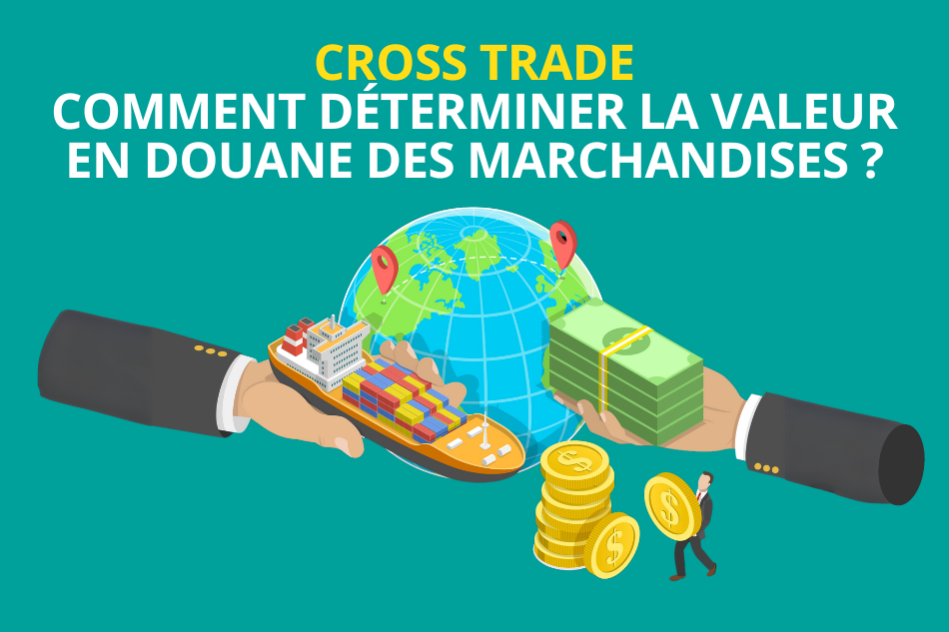
What is a Cross Trade? A Comprehensive Guide
Understanding the intricacies of international trade can be complex, with various strategies and techniques employed to optimize efficiency and profitability. One such technique is the cross trade, also known as a triangular trade or a drop shipment in some contexts. This guide provides a comprehensive overview of what a cross trade is, its benefits, risks, and key considerations for businesses looking to engage in this type of transaction.
Defining Cross Trade
A cross trade, in its simplest form, involves the movement of goods directly from a supplier in one country to a customer in another country, without the goods ever entering the country of the intermediary or the seller. Essentially, three parties are involved: the original supplier, the intermediary (the seller), and the final customer. The seller facilitates the transaction but doesn’t physically handle the goods. This can be particularly useful for businesses that don’t have a physical presence in the supplier’s or customer’s country.
Consider this scenario: A company based in the United Kingdom (the intermediary) sources products from a manufacturer in China and sells them to a customer in the United States. Instead of shipping the goods from China to the UK and then to the US, the products are shipped directly from China to the US. This is a classic example of a cross trade.
How Cross Trade Works
The mechanics of a cross trade are relatively straightforward, though careful planning and execution are crucial. Here’s a step-by-step breakdown:
- Identifying the Opportunity: The intermediary identifies a demand for a product in a specific market and finds a supplier in another country who can fulfill that demand.
- Negotiating Terms: The intermediary negotiates the terms of sale with both the supplier and the customer, including price, quantity, delivery schedule, and payment terms.
- Placing the Order: The intermediary places an order with the supplier, specifying the customer’s delivery address.
- Shipping the Goods: The supplier ships the goods directly to the customer, usually handling the necessary export documentation.
- Payment: The customer pays the intermediary, who in turn pays the supplier, often after receiving confirmation of delivery.
Benefits of Cross Trade
Engaging in cross trade offers several advantages for businesses:
- Reduced Shipping Costs: By eliminating the need to ship goods through the intermediary’s country, transportation costs can be significantly reduced.
- Faster Delivery Times: Direct shipping shortens the supply chain, leading to quicker delivery times for the customer.
- Lower Inventory Holding Costs: The intermediary doesn’t need to hold inventory, reducing storage and handling costs.
- Access to New Markets: Cross trade allows businesses to serve customers in new markets without establishing a physical presence.
- Increased Efficiency: Streamlining the shipping process improves overall supply chain efficiency.
- Competitive Advantage: Offering faster delivery and lower prices can provide a competitive edge in the marketplace.
Risks and Challenges of Cross Trade
While cross trade offers numerous benefits, it also presents certain risks and challenges:
- Complex Logistics: Coordinating shipments between different countries can be complex, requiring expertise in international shipping and customs regulations.
- Communication Barriers: Language and cultural differences between the supplier, intermediary, and customer can lead to misunderstandings and delays.
- Payment Risks: Ensuring timely payment from the customer and payment to the supplier can be challenging, especially when dealing with international transactions.
- Quality Control: The intermediary has limited control over the quality of the goods, as they don’t physically inspect them before shipment.
- Legal and Regulatory Compliance: Navigating the legal and regulatory requirements of different countries can be complex and time-consuming.
- Currency Fluctuations: Changes in exchange rates can impact profitability, especially if payments are made in different currencies.
Key Considerations for Successful Cross Trade
To mitigate the risks and maximize the benefits of cross trade, businesses should consider the following:
- Thorough Due Diligence: Conduct thorough due diligence on both the supplier and the customer to ensure their reliability and financial stability.
- Clear Contracts: Establish clear contracts with both the supplier and the customer, outlining the terms of sale, payment terms, and responsibilities.
- Effective Communication: Maintain open and effective communication with all parties involved to address any issues or concerns promptly.
- Logistics Expertise: Partner with a reputable logistics provider who has experience in international shipping and customs clearance.
- Quality Control Measures: Implement quality control measures, such as requesting samples or conducting pre-shipment inspections, to ensure the goods meet the required standards.
- Risk Management Strategies: Develop risk management strategies to mitigate potential losses due to currency fluctuations, payment defaults, or other unforeseen events.
- Insurance Coverage: Obtain adequate insurance coverage to protect against loss or damage to the goods during transit.
Cross Trade vs. Traditional Trade
The key difference between cross trade and traditional trade lies in the physical movement of goods. In traditional trade, the goods are typically shipped to the intermediary’s country before being re-exported to the customer. In cross trade, the goods are shipped directly from the supplier to the customer, bypassing the intermediary’s country altogether. This direct shipment is what defines a cross trade and offers the advantages of reduced costs and faster delivery times.
Examples of Cross Trade Scenarios
Several industries commonly utilize cross trade to streamline their supply chains. Here are a few examples:
- Electronics: A company in Germany sources electronic components from a manufacturer in Taiwan and sells them to a customer in Brazil. The components are shipped directly from Taiwan to Brazil.
- Apparel: A fashion retailer in Italy sources clothing from a factory in India and sells them to a customer in Australia. The clothing is shipped directly from India to Australia.
- Machinery: An engineering firm in Canada sources industrial machinery from a manufacturer in South Korea and sells it to a customer in Mexico. The machinery is shipped directly from South Korea to Mexico.
The Future of Cross Trade
As global trade continues to evolve, cross trade is likely to become even more prevalent. The increasing demand for faster delivery times and lower costs is driving businesses to seek more efficient supply chain solutions. Advancements in technology, such as e-commerce platforms and logistics management systems, are also making it easier to facilitate cross trade transactions.
Furthermore, the rise of emerging markets is creating new opportunities for cross trade. Businesses are increasingly looking to source products from low-cost countries and sell them to customers in developing economies. Cross trade provides a cost-effective way to access these markets without establishing a physical presence.
Conclusion
Cross trade is a valuable strategy for businesses looking to optimize their supply chains, reduce costs, and expand into new markets. By understanding the benefits, risks, and key considerations involved, businesses can successfully leverage cross trade to gain a competitive advantage in the global marketplace. While complexities exist, careful planning, due diligence, and strong communication are essential for navigating the intricacies of international transactions. As globalization continues, the importance of understanding and utilizing techniques like cross trade will only increase for businesses seeking success in the global arena. Consider the potential impact of a well-executed cross trade strategy on your bottom line and market reach. [See also: International Trade Agreements] [See also: Supply Chain Management Best Practices]
