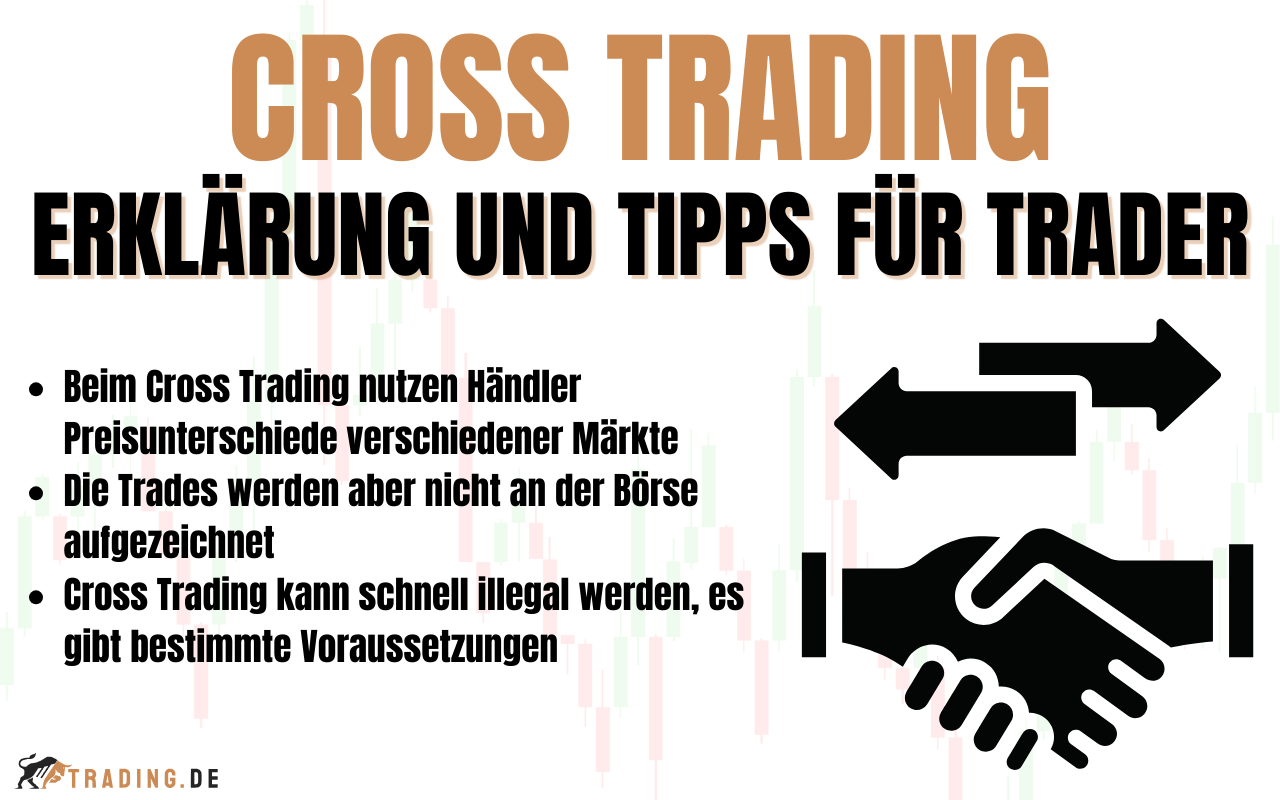
What is a Cross Trade? Understanding Cross Trades in International Commerce
In the dynamic world of international commerce, various trading strategies and practices facilitate the seamless movement of goods across borders. One such practice is the cross trade, a transaction where goods are shipped directly from a supplier in one country to a buyer in another, without ever entering the seller’s country. This article delves into the intricacies of cross trades, exploring their benefits, challenges, and key considerations for businesses engaging in this type of international transaction.
Defining the Cross Trade
A cross trade, also known as a triangular trade or drop shipment in international trade, occurs when a company arranges for goods to be shipped directly from the country of origin to the final destination, bypassing the seller’s home country. For example, a company based in the United States might source products from China and have them shipped directly to a customer in Germany. The U.S.-based company acts as an intermediary, coordinating the transaction without physically handling the goods.
Benefits of Cross Trades
Engaging in cross trades can offer several advantages for businesses involved in international commerce:
- Reduced Transportation Costs: By shipping goods directly from the supplier to the buyer, companies can eliminate the cost of transporting goods to their own country and then re-exporting them. This can lead to significant savings, especially for bulky or heavy items.
- Faster Delivery Times: Bypassing the seller’s country can significantly reduce delivery times, as goods are shipped directly to the buyer without any unnecessary delays. This is particularly beneficial for businesses that need to fulfill orders quickly.
- Simplified Logistics: Cross trades can simplify the logistics process by reducing the number of intermediaries involved in the transaction. This can lead to fewer errors and delays, as well as improved communication and coordination.
- Access to New Markets: Cross trading allows companies to expand their reach into new markets without the need to establish a physical presence in those countries. This can be a cost-effective way to test new markets and build relationships with potential customers.
- Improved Cash Flow: By reducing transportation costs and delivery times, cross trades can improve a company’s cash flow. This is because companies can collect payment from buyers more quickly, while also reducing their expenses.
Challenges and Considerations
While cross trades offer numerous benefits, they also present several challenges and considerations that businesses need to be aware of:
- Complexity: Cross trades can be more complex than traditional import-export transactions, as they involve multiple parties and countries. This requires careful planning and coordination to ensure that everything goes smoothly.
- Documentation: The documentation requirements for cross trades can be more stringent than those for traditional import-export transactions. Companies need to ensure that they have all the necessary documents, such as invoices, packing lists, and certificates of origin, to comply with customs regulations in both the supplier’s and buyer’s countries.
- Customs Regulations: Navigating customs regulations in different countries can be challenging, especially for companies that are new to cross trading. It is important to understand the customs requirements of both the supplier’s and buyer’s countries to avoid delays and penalties.
- Currency Fluctuations: Currency fluctuations can impact the profitability of cross trades, as the exchange rate between the supplier’s and buyer’s currencies can change between the time the order is placed and the time payment is received. Companies can mitigate this risk by using hedging strategies or by invoicing in a stable currency.
- Communication Barriers: Communication barriers can arise in cross trades due to differences in language, culture, and time zones. It is important to establish clear communication channels and to use interpreters or translators when necessary.
Key Steps for Successful Cross Trades
To ensure the success of cross trades, businesses should follow these key steps:
- Conduct Thorough Research: Before engaging in a cross trade, conduct thorough research to understand the customs regulations, documentation requirements, and other relevant factors in both the supplier’s and buyer’s countries.
- Establish Clear Contracts: Establish clear contracts with both the supplier and the buyer, outlining the terms of the transaction, including price, payment terms, delivery schedule, and responsibilities.
- Coordinate Logistics: Coordinate logistics carefully to ensure that goods are shipped efficiently and without delays. This may involve working with a freight forwarder or other logistics provider.
- Monitor Currency Fluctuations: Monitor currency fluctuations and take steps to mitigate the risk of losses due to exchange rate changes.
- Maintain Clear Communication: Maintain clear communication with all parties involved in the transaction, including the supplier, the buyer, and any logistics providers.
Examples of Cross Trade Scenarios
Here are a few examples to illustrate how cross trades work in practice:
- A U.S.-based company sources electronic components from a manufacturer in Taiwan and ships them directly to a customer in the United Kingdom.
- A German company purchases textiles from a supplier in India and ships them directly to a customer in Brazil.
- An Australian company buys agricultural products from a farm in Argentina and ships them directly to a customer in Japan.
The Role of Technology in Cross Trades
Technology plays a crucial role in facilitating cross trades. Online platforms and software solutions can help businesses to streamline the logistics process, manage documentation, and communicate with suppliers and buyers more effectively. These tools can also provide real-time visibility into the status of shipments, allowing companies to track their goods from origin to destination.
Cross Trade vs. Traditional Trade
The main difference between a cross trade and traditional trade lies in the movement of goods. In traditional trade, goods are typically imported into the seller’s country and then re-exported to the buyer. In a cross trade, the goods are shipped directly from the supplier to the buyer, bypassing the seller’s country altogether. This can result in significant cost savings and faster delivery times.
Legal and Regulatory Considerations
Cross trades are subject to various legal and regulatory considerations, including customs regulations, trade agreements, and tax laws. Businesses need to ensure that they comply with all applicable laws and regulations in both the supplier’s and buyer’s countries. It is advisable to seek legal and tax advice before engaging in cross trades to ensure compliance and minimize risks.
Cross Trade and VAT (Value Added Tax)
VAT implications in cross trade transactions can be complex and depend on the specific countries involved and their respective VAT rules. Generally, the seller needs to understand whether VAT is applicable in the country of the supplier, the country of the buyer, or neither. Proper documentation and understanding of the ‘place of supply’ rules are crucial for VAT compliance. Consulting with a tax advisor specializing in international trade is highly recommended.
Future of Cross Trading
The future of cross trading looks promising, as globalization continues to drive the growth of international commerce. As more businesses seek to expand their reach into new markets and reduce their costs, cross trades are likely to become increasingly popular. Technology will continue to play a key role in facilitating cross trades, making it easier for companies to manage the complexities of international transactions. [See also: International Trade Finance Options] As supply chains become more interconnected and streamlined, the efficiency and prevalence of cross trading are expected to rise. Companies must stay informed and adapt to evolving trade regulations and technological advancements to fully leverage the benefits of cross trading.
Conclusion
Cross trades are a valuable tool for businesses engaged in international commerce, offering numerous benefits such as reduced costs, faster delivery times, and access to new markets. However, they also present several challenges and considerations that businesses need to be aware of. By conducting thorough research, establishing clear contracts, coordinating logistics carefully, and maintaining clear communication, businesses can successfully navigate the complexities of cross trades and reap the rewards of this dynamic trading practice.
