What is Cross Trading? Understanding the Risks and Regulations
In the fast-paced world of finance, various trading practices exist, some more transparent and ethically sound than others. One such practice that often raises eyebrows and sparks debate is cross trading. This article aims to delve into the intricacies of what is cross trading, exploring its definition, potential benefits, inherent risks, regulatory landscape, and real-world examples. Understanding cross trading is crucial for investors, traders, and regulatory bodies alike, as it can significantly impact market integrity and investor confidence.
Defining Cross Trading
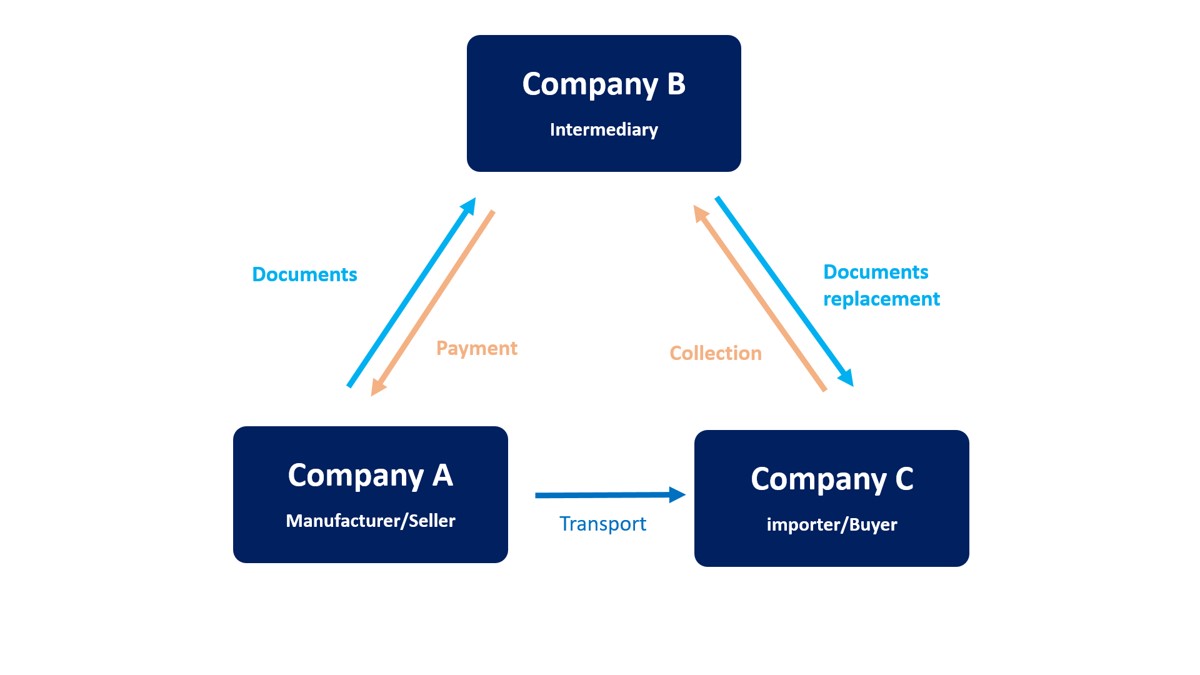
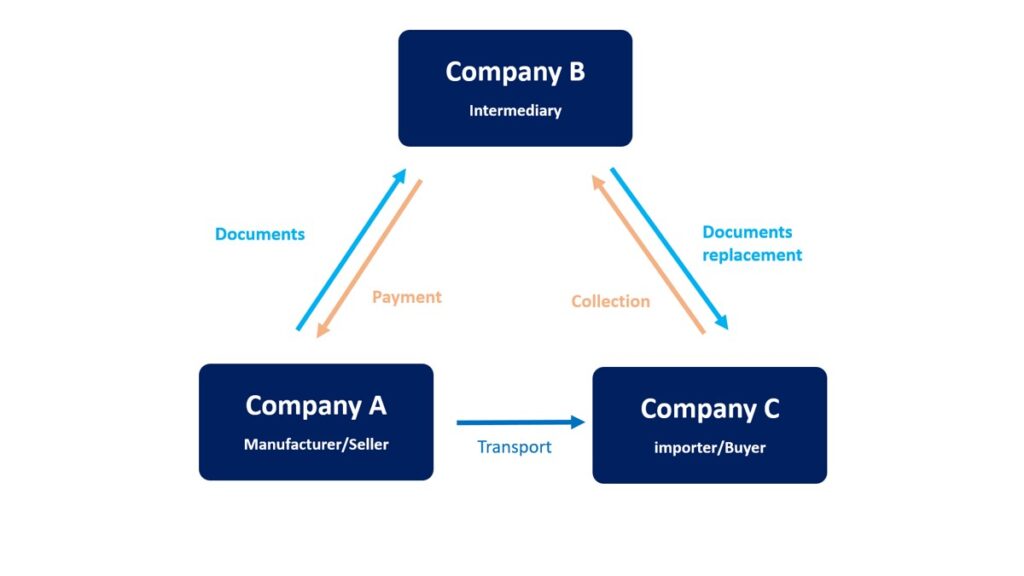
Cross trading, at its core, involves a single entity acting as both the buyer and the seller in a transaction. In simpler terms, it’s when the same individual or firm represents both sides of a trade. This scenario can occur in various contexts, including:
- Investment Funds: A fund manager might execute a cross trade between two different funds they manage.
- Brokerage Firms: A brokerage might facilitate a cross trade between two of its clients.
- Internal Transfers: A company might cross trade assets between different departments or subsidiaries.
While not inherently illegal, cross trading practices are subject to strict regulations due to the potential for conflicts of interest and market manipulation. The key concern is ensuring that the cross trade is executed fairly and in the best interests of all parties involved.
Potential Benefits and Justifications
Despite the inherent risks, there are situations where cross trading can be justified and even beneficial. Some common justifications include:
- Cost Efficiency: Cross trading can reduce transaction costs by eliminating the need for external brokers or market makers. This can be particularly advantageous for large institutional investors.
- Speed of Execution: Cross trading can facilitate faster execution of trades, especially when dealing with illiquid assets or large positions.
- Minimizing Market Impact: By avoiding the open market, cross trading can minimize the price impact of large trades, preventing artificial price fluctuations that could disadvantage other investors.
- Tax Advantages: In some jurisdictions, cross trading may offer certain tax advantages, although this is subject to specific regulations and legal interpretations.
However, it’s crucial to emphasize that these benefits must be balanced against the potential risks and the need for transparency and fairness. Regulators and compliance officers must carefully scrutinize cross trading activities to ensure they are genuinely beneficial and not used to exploit investors.
Inherent Risks and Conflicts of Interest
The primary concern with cross trading is the potential for conflicts of interest. When the same entity represents both the buyer and the seller, there’s a risk that the trade will be executed on terms that are favorable to one party at the expense of the other. This can manifest in several ways:
- Price Manipulation: The entity could manipulate the price to benefit a specific fund or client, potentially disadvantaging others.
- Lack of Transparency: Without proper oversight, cross trades can lack transparency, making it difficult to assess whether the trade was executed fairly.
- Breach of Fiduciary Duty: Fund managers have a fiduciary duty to act in the best interests of their clients. Cross trading can create a situation where this duty is compromised.
- Unequal Information: One side of the cross trade might have access to more information than the other, creating an unfair advantage.
These risks highlight the importance of robust regulatory frameworks and internal controls to prevent abuse and ensure that cross trades are conducted ethically and transparently.
Regulatory Landscape and Compliance
Recognizing the potential for abuse, regulatory bodies around the world have implemented rules and guidelines to govern cross trading practices. These regulations vary depending on the jurisdiction, but they generally focus on the following key areas:
- Disclosure Requirements: Companies and fund managers are typically required to disclose their cross trading policies and procedures to investors.
- Fair Pricing: Regulations often mandate that cross trades be executed at a fair market price, typically based on independent market data or valuations.
- Best Execution: Fund managers must demonstrate that the cross trade was executed in the best interests of their clients, considering factors such as price, speed, and execution costs.
- Conflict of Interest Management: Firms must have robust policies and procedures in place to identify and manage conflicts of interest related to cross trading.
- Independent Oversight: Some jurisdictions require independent oversight of cross trading activities to ensure compliance with regulations.
In the United States, the Securities and Exchange Commission (SEC) has specific rules governing cross trading by investment companies. These rules require, among other things, that cross trades be consistent with the investment company’s policies and procedures, be executed at a fair market price, and not involve any affiliated persons. [See also: SEC Regulations on Investment Companies]
Compliance with these regulations is crucial for firms engaging in cross trading. Failure to comply can result in significant penalties, including fines, sanctions, and reputational damage.
Real-World Examples and Case Studies
To illustrate the complexities of cross trading, let’s consider a few hypothetical examples:
Example 1: A fund manager decides to rebalance their portfolio by selling a portion of a stock held in Fund A and buying the same stock in Fund B. Both funds are managed by the same firm. The cross trade is executed at the prevailing market price, and all relevant disclosures are made to investors. In this scenario, the cross trade could be considered legitimate and beneficial, as it allows the fund manager to rebalance the portfolio efficiently and without incurring significant transaction costs.
Example 2: A brokerage firm facilitates a cross trade between two of its clients, one of whom is a large institutional investor and the other a smaller retail investor. The brokerage firm charges a higher commission to the retail investor than it does to the institutional investor. In this case, the cross trade could be considered unfair and potentially illegal, as the brokerage firm is not acting in the best interests of all its clients. [See also: Ethical Considerations in Brokerage Services]
Example 3: A company transfers assets from one subsidiary to another through a cross trade. The transfer price is significantly higher than the fair market value of the assets. This could be a sign of accounting fraud or tax evasion, as the company may be trying to artificially inflate its profits or reduce its tax liability.
These examples highlight the importance of careful scrutiny and oversight of cross trading activities to prevent abuse and ensure fairness.
Best Practices for Cross Trading
For firms that engage in cross trading, it’s essential to adopt best practices to mitigate risks and ensure compliance with regulations. Some key best practices include:
- Develop a comprehensive cross trading policy: The policy should clearly define the circumstances under which cross trading is permitted, the procedures for executing cross trades, and the controls in place to prevent conflicts of interest.
- Implement robust conflict of interest management procedures: These procedures should include identifying potential conflicts of interest, disclosing them to investors, and taking steps to mitigate them.
- Ensure fair pricing: Cross trades should be executed at a fair market price, based on independent market data or valuations.
- Maintain detailed records: Firms should maintain detailed records of all cross trades, including the rationale for the trade, the price at which it was executed, and any disclosures made to investors.
- Provide training to employees: Employees should be trained on the firm’s cross trading policy and procedures, as well as the relevant regulatory requirements.
- Conduct regular audits: Firms should conduct regular audits of their cross trading activities to ensure compliance with regulations and internal policies.
The Future of Cross Trading
As financial markets continue to evolve, the regulatory landscape surrounding cross trading is likely to become even more complex. Regulators are increasingly focused on ensuring transparency and fairness in all trading practices, and cross trading will likely remain under close scrutiny.
Technological advancements, such as blockchain and artificial intelligence, could also play a role in shaping the future of cross trading. These technologies could potentially enhance transparency and efficiency, while also making it easier to detect and prevent fraudulent or abusive practices. [See also: The Impact of Blockchain on Financial Regulation]
Conclusion
Cross trading is a complex and potentially risky trading practice that requires careful consideration and oversight. While it can offer certain benefits in terms of cost efficiency and speed of execution, it also raises significant concerns about conflicts of interest and market manipulation. Understanding what is cross trading, its potential benefits, inherent risks, and regulatory landscape is crucial for investors, traders, and regulatory bodies alike. By adopting best practices and complying with regulations, firms can mitigate the risks associated with cross trading and ensure that it is conducted ethically and transparently. Ultimately, the goal is to strike a balance between allowing legitimate cross trading activities that benefit investors and preventing abusive practices that undermine market integrity. The continued evolution of financial markets and technology will undoubtedly shape the future of cross trading, requiring ongoing vigilance and adaptation from all stakeholders.
