What is Duty-Free? A Comprehensive Guide to Tax-Free Shopping
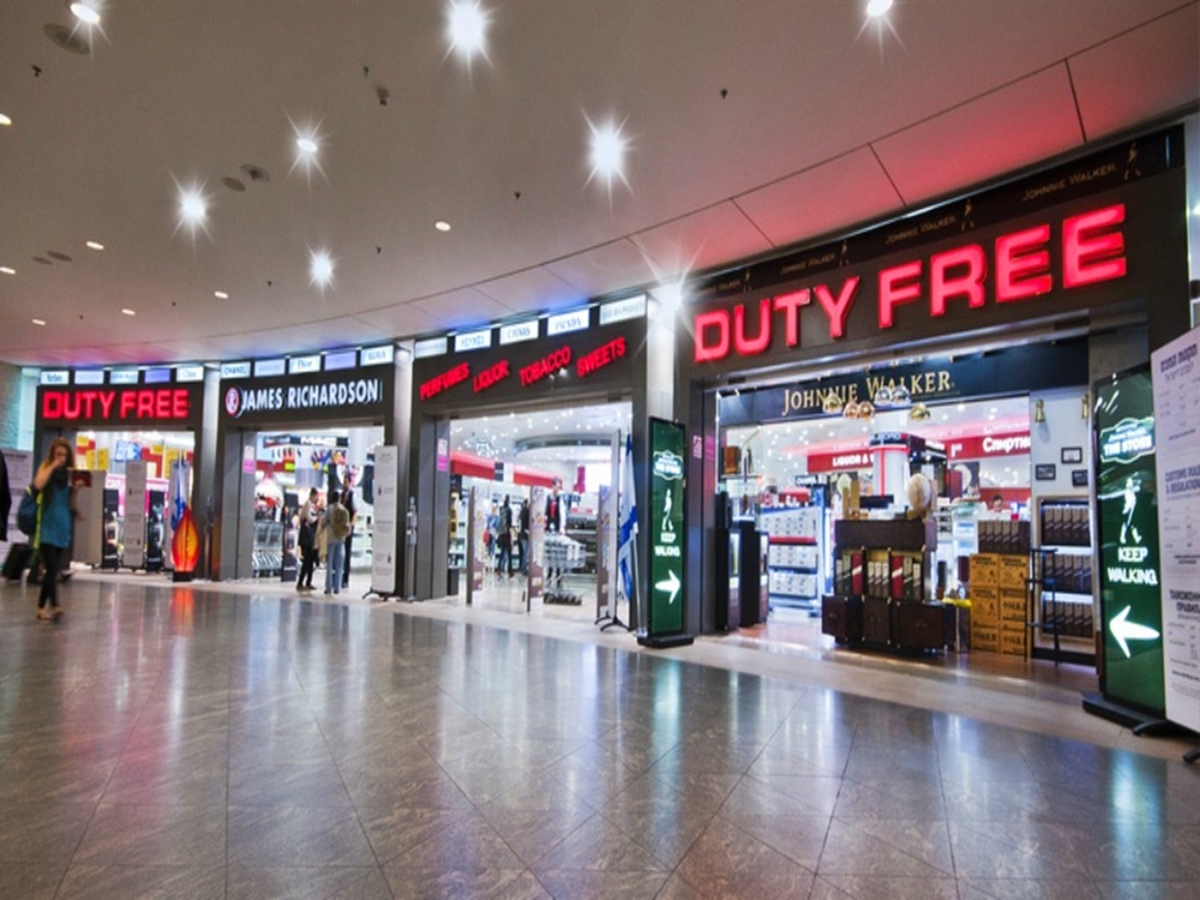
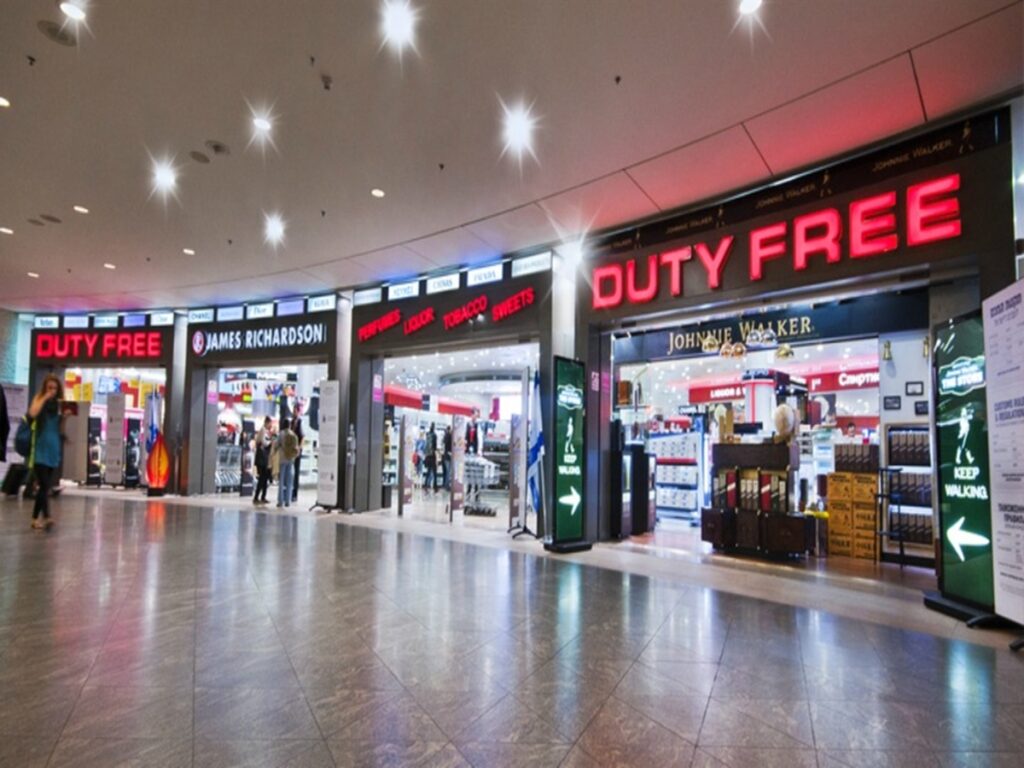
Ever walked through an airport and noticed shops selling luxury goods at seemingly discounted prices? That’s likely duty-free shopping. But what is duty-free, really? In essence, it’s a system that allows travelers to purchase certain goods without paying import duties and taxes. This guide will delve into the intricacies of duty-free, exploring its benefits, limitations, and everything you need to know to make the most of your next international trip.
Understanding the Basics of Duty-Free
Duty-free shopping operates on the principle that if goods are exported and consumed in another country, they should not be subject to the import duties and taxes of the country where they were purchased. This applies to a wide range of products, from alcohol and tobacco to cosmetics, perfumes, and luxury items like watches and jewelry. The specific regulations and allowances vary from country to country, so it’s crucial to understand the rules before you start shopping.
The concept of duty-free zones dates back to the mid-20th century, with Shannon Airport in Ireland often credited as the birthplace of the modern duty-free shop. The idea was to attract international travelers and boost airport revenue. Since then, duty-free shopping has become a global phenomenon, found in airports, seaports, and even border crossings worldwide. The key is that the goods are intended for export and consumption outside the country of purchase.
Who Can Shop Duty-Free?
Generally, anyone traveling internationally can shop duty-free. This includes both departing and arriving passengers, depending on the location and regulations. When making a duty-free purchase, you’ll typically need to present your boarding pass or passport as proof that you’re traveling internationally. This ensures that you’re eligible for the tax exemption. Some countries also have specific residency requirements, so it’s always best to check the local rules.
What Products Are Typically Available Duty-Free?
The range of products available duty-free can be quite extensive. Common categories include:
- Alcohol: Spirits, wines, and beers are popular duty-free purchases.
- Tobacco: Cigarettes, cigars, and other tobacco products are often significantly cheaper duty-free.
- Perfumes and Cosmetics: Luxury brands of perfumes, makeup, and skincare products are frequently discounted.
- Fashion and Accessories: Designer clothing, handbags, sunglasses, and watches can be found at duty-free shops.
- Electronics: Some airports offer duty-free electronics, such as headphones and travel adapters.
- Souvenirs and Local Products: Many duty-free shops also sell local crafts, souvenirs, and regional delicacies.
The Advantages of Duty-Free Shopping
The primary advantage of duty-free shopping is the potential to save money. By avoiding import duties and taxes, you can often purchase goods at significantly lower prices than you would find in regular retail stores. This can be particularly attractive for luxury items or products with high tax rates. However, it’s important to do your research and compare prices to ensure you’re actually getting a good deal.
Another benefit is the convenience. Duty-free shops are typically located in airports and other travel hubs, making it easy to browse and purchase items while you’re already on the go. This can save you time and effort compared to shopping around in regular stores.
Finally, duty-free shops often offer exclusive products or promotions that are not available elsewhere. This can be a great way to find unique gifts or treat yourself to something special.
The Limitations and Considerations of Duty-Free
While duty-free shopping can be appealing, it’s essential to be aware of its limitations. One crucial factor is the duty-free allowance, which is the maximum value or quantity of goods you can bring into a country without paying duties and taxes. These allowances vary significantly from country to country, so it’s vital to check the regulations of your destination before you travel.
Exceeding your duty-free allowance can result in having to pay duties and taxes on the excess goods, which can negate any savings you might have made. In some cases, you may even face penalties or have the goods confiscated. Therefore, it’s always best to err on the side of caution and stay within the allowed limits.
Another consideration is that not all duty-free products are necessarily cheaper than those found in regular stores. Prices can vary depending on the location, the retailer, and the specific product. It’s always a good idea to compare prices online or in local stores before making a duty-free purchase to ensure you’re getting the best deal. Also, remember to factor in currency exchange rates, as these can affect the overall cost.
Furthermore, be mindful of restrictions on liquids, aerosols, and gels (LAGs) when traveling with duty-free purchases. Many airports have strict rules about carrying LAGs in your hand luggage, especially when connecting flights are involved. If you’re purchasing liquids duty-free, make sure they are sealed in a Security Tamper-Evident Bag (STEB) and that you have the receipt readily available.
Tips for Smart Duty-Free Shopping
To make the most of your duty-free shopping experience, consider these tips:
- Research Duty-Free Allowances: Before you travel, check the duty-free allowances of your destination country to avoid exceeding the limits.
- Compare Prices: Don’t assume that duty-free is always the cheapest option. Compare prices online or in local stores to ensure you’re getting a good deal.
- Check Currency Exchange Rates: Factor in currency exchange rates to accurately assess the cost of your purchases.
- Be Aware of LAG Restrictions: If you’re purchasing liquids, aerosols, or gels, make sure they are properly sealed and that you comply with airport security regulations.
- Plan Ahead: If you know you want to buy something specific, research prices and availability in advance to save time and avoid disappointment.
- Consider Airport Layout: Familiarize yourself with the layout of the airport to efficiently navigate the duty-free shops.
- Read Reviews: Check online reviews of duty-free shops to get insights into the quality of products and services.
The Future of Duty-Free Shopping
The duty-free industry is constantly evolving to meet the changing needs of travelers. With the rise of e-commerce, some duty-free retailers are now offering online shopping options, allowing travelers to browse and purchase goods before they even arrive at the airport. This can be a convenient way to plan your shopping in advance and ensure you don’t miss out on any deals.
Sustainability is also becoming an increasingly important consideration in the duty-free industry. Many retailers are now focusing on offering eco-friendly products and reducing their environmental impact. This reflects a growing awareness among travelers of the importance of sustainable shopping practices.
As technology continues to advance, we can expect to see further innovations in the duty-free shopping experience. This could include personalized recommendations, virtual reality shopping experiences, and seamless payment options. The future of duty-free is likely to be more convenient, sustainable, and engaging than ever before.
Conclusion
Duty-free shopping offers a unique opportunity to save money on a variety of products while traveling internationally. By understanding the basics of duty-free, being aware of the limitations, and following our tips for smart shopping, you can make the most of this tax-free perk. So, the next time you’re at the airport, take a stroll through the duty-free shops and see what treasures you can find. Remember to always check the allowances, compare prices, and enjoy the experience!
[See also: Airport Shopping Guide]
[See also: International Travel Tips]
[See also: Budgeting for Travel]
