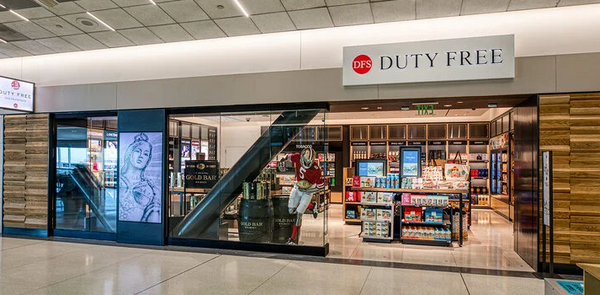
What is Duty-Free? A Comprehensive Guide to Tax-Free Shopping
Have you ever walked through an airport and noticed shops selling perfumes, liquor, or electronics at seemingly discounted prices? These are often duty-free shops, and they offer a unique shopping experience. But what is duty-free, and how does it work? This comprehensive guide will explain the concept of duty-free shopping, its benefits, limitations, and everything you need to know to make the most of it.
Understanding Duty and Taxes
Before diving into what is duty-free, it’s essential to understand what duties and taxes are. Duties, also known as tariffs, are taxes imposed by governments on goods imported or exported across international borders. These taxes are designed to protect domestic industries, generate revenue, or regulate trade. Value-added tax (VAT) or sales tax is another form of tax applied to goods and services at the point of sale.
The Role of Customs
Customs authorities are responsible for collecting these duties and taxes. They also ensure that goods comply with import and export regulations. When you purchase goods in a country, the price typically includes these taxes. However, duty-free shopping allows you to bypass these charges under specific circumstances.
What Does Duty-Free Mean?
Duty-free means that you are exempt from paying import duties and taxes on certain goods. These goods are sold in designated areas, such as international airports, seaports, and border crossings. The concept is based on the idea that if the goods are being exported to another country, they should not be subject to the taxes of the country where they are purchased.
The Mechanics of Duty-Free Shopping
When you buy something duty-free, the retailer doesn’t collect the local taxes. Instead, the goods are intended for export. You typically need to show proof of international travel, such as a boarding pass or passport, to make a purchase. The items are then either delivered to you at the gate or packed in a sealed bag that you are not supposed to open until you reach your destination.
Where Can You Find Duty-Free Shops?
Duty-free shops are commonly found in:
- International Airports: These are the most popular locations, offering a wide range of products.
- Seaports: Cruise ships and international ferries often have duty-free shops onboard.
- Border Crossings: Land borders between countries may have duty-free shops.
- Designated Tourist Areas: Some countries designate specific tourist areas as duty-free zones.
What Products are Available Duty-Free?
The range of products available duty-free can vary depending on the location and regulations. However, some common items include:
- Alcohol: Spirits, wines, and beers are popular choices.
- Tobacco: Cigarettes, cigars, and other tobacco products.
- Perfumes and Cosmetics: Fragrances, makeup, and skincare products.
- Electronics: Gadgets, cameras, and accessories.
- Luxury Goods: Designer clothing, watches, and jewelry.
- Confectionery: Chocolates, candies, and other sweets.
Benefits of Duty-Free Shopping
There are several advantages to shopping duty-free:
- Cost Savings: The primary benefit is the potential to save money by avoiding taxes and duties.
- Exclusive Products: Some duty-free shops offer products that are not available elsewhere.
- Convenience: It’s a convenient way to purchase gifts or personal items while traveling.
- Last-Minute Shopping: If you forgot to buy a souvenir, duty-free shops can be a lifesaver.
Limitations and Considerations
While duty-free shopping can be attractive, there are some limitations to keep in mind:
Price Comparison
Just because something is sold duty-free doesn’t automatically mean it’s cheaper. It’s essential to compare prices with regular retail outlets, both at your origin and destination. Sometimes, promotional offers or sales in regular stores can be more competitive.
Allowance Limits
Every country has specific allowance limits for goods brought in duty-free. These limits vary depending on the type of product and the traveler’s destination. Exceeding these limits can result in having to pay duties and taxes on the excess amount.
Destination Country Regulations
Be aware of the regulations of the country you are entering. Some countries have strict rules regarding the import of certain items, such as alcohol or tobacco. Make sure you comply with these regulations to avoid penalties.
Currency Exchange Rates
Duty-free shops often accept multiple currencies, but the exchange rates may not be favorable. Consider using a credit card or local currency to get the best exchange rate.
Quality and Authenticity
While rare, there have been instances of counterfeit or substandard products being sold in duty-free shops. Purchase from reputable retailers and check the product carefully before buying.
How to Make the Most of Duty-Free Shopping
To maximize the benefits of duty-free shopping, consider these tips:
- Plan Ahead: Research the products you want to buy and compare prices beforehand.
- Check Allowance Limits: Know the duty-free allowance limits for your destination country.
- Shop Early: Avoid last-minute rushes and give yourself time to compare prices.
- Keep Receipts: Retain your receipts as proof of purchase and for customs purposes.
- Pack Carefully: Ensure your purchases are properly packed to avoid damage during travel.
Duty-Free vs. Tax-Free: What’s the Difference?
While the terms are often used interchangeably, there’s a subtle difference between duty-free and tax-free shopping.
Duty-Free
As explained, duty-free refers to exemption from import duties and taxes. It typically applies to goods purchased in designated areas like airports and intended for export.
Tax-Free
Tax-free shopping, on the other hand, usually refers to a refund of sales tax or VAT paid on goods purchased in a country. This is often available to tourists who are not residents of the country. The process usually involves filling out a form and presenting it at customs when leaving the country to claim a refund.
In essence, duty-free avoids the tax upfront, while tax-free allows you to reclaim it later. [See also: VAT Refund Guide for Tourists]
The Future of Duty-Free Shopping
The duty-free industry is constantly evolving. With the rise of e-commerce and changing travel patterns, duty-free retailers are adapting to meet the needs of modern travelers. Online duty-free shopping is becoming increasingly popular, allowing travelers to browse and purchase goods before they even arrive at the airport.
Technological Advancements
Technology is playing a significant role in enhancing the duty-free shopping experience. Digital displays, interactive kiosks, and mobile apps are being used to provide product information, personalized recommendations, and seamless payment options.
Sustainability
There is also a growing focus on sustainability within the duty-free industry. Retailers are implementing eco-friendly practices, such as using sustainable packaging, sourcing products responsibly, and reducing their carbon footprint.
Conclusion
What is duty-free? It’s a system that allows travelers to purchase certain goods without paying import duties and taxes. While it offers potential cost savings and convenience, it’s essential to be aware of the limitations and regulations. By planning ahead, comparing prices, and understanding allowance limits, you can make the most of your duty-free shopping experience. Remember to always check the specific rules and regulations of the country you are visiting to ensure a smooth and hassle-free journey. So, next time you’re at an international airport, take a stroll through the duty-free shops and see if you can find a bargain. But remember, a savvy shopper is an informed shopper!
Understanding what is duty-free and how it works empowers you to make informed decisions and potentially save money while traveling. Safe travels and happy shopping!
