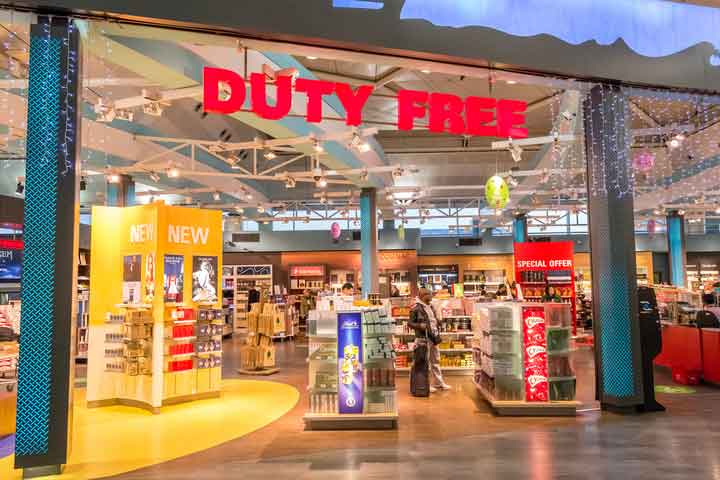
What is Duty-Free? A Comprehensive Guide to Tax-Free Shopping
Ever strolled through an airport and noticed shops brimming with luxury goods at seemingly irresistible prices? Chances are, you’ve encountered the world of duty-free shopping. But what is duty-free, really? It’s more than just a clever marketing ploy; it’s a system rooted in international trade agreements that allows travelers to purchase certain goods without paying local taxes and duties. This guide will delve into the intricacies of duty-free, exploring its history, benefits, limitations, and everything you need to know to make the most of your tax-free shopping opportunities.
The Origins and Evolution of Duty-Free
The concept of duty-free shopping dates back to the 19th century, with Shannon Airport in Ireland often credited as the pioneer. In 1947, Brendan O’Regan established the first duty-free shop at Shannon to cater to transatlantic travelers. The idea was simple: offer goods without the burden of local taxes to passengers who were merely passing through and not contributing to the local economy. This innovative approach quickly gained traction, and duty-free shops began popping up in airports and border crossings worldwide.
Over the decades, the duty-free industry has evolved significantly. What started as a small selection of tobacco, alcohol, and perfumes has expanded to include a wide array of products, from electronics and fashion accessories to cosmetics and local delicacies. The rise of international travel and the increasing demand for luxury goods have fueled the growth of duty-free, transforming it into a multi-billion dollar global industry.
How Does Duty-Free Work?
The mechanics of duty-free are relatively straightforward. When you purchase goods at a duty-free shop, you are exempt from paying certain taxes and duties that would normally apply to those products. These taxes typically include value-added tax (VAT), sales tax, excise duties, and customs duties. The exemption is granted because the goods are intended for export and consumption outside of the country where they are purchased.
To qualify for duty-free purchases, you generally need to present proof of international travel, such as a boarding pass or passport. The goods are then sealed in a tamper-evident bag to ensure that they are not consumed within the country of purchase. Upon arrival at your destination, you may be required to declare your duty-free purchases to customs officials, and you may be subject to import duties if you exceed the allowable limits.
What Products Are Typically Available Duty-Free?
The range of products available duty-free varies depending on the location and the specific duty-free shop. However, some common categories include:
- Alcohol: Spirits, wine, and beer are frequently offered at discounted prices.
- Tobacco: Cigarettes, cigars, and other tobacco products are often a staple of duty-free shops.
- Perfumes and Cosmetics: Luxury fragrances, skincare products, and makeup are popular choices for duty-free shoppers.
- Fashion and Accessories: Designer clothing, handbags, watches, and jewelry can be found at some duty-free locations.
- Electronics: Gadgets, headphones, and other electronic devices are sometimes available duty-free.
- Confectionery and Food: Chocolates, sweets, and local delicacies are often sold duty-free.
The Benefits of Duty-Free Shopping
The primary benefit of duty-free shopping is the potential for significant savings. By avoiding taxes and duties, you can often purchase goods at prices lower than those found in regular retail stores. This can be particularly advantageous for high-value items such as luxury goods and electronics. Furthermore, duty-free shops often offer exclusive products or limited-edition items that are not available elsewhere.
Beyond the cost savings, duty-free shopping can also be a convenient way to purchase gifts or souvenirs while traveling. It allows you to avoid the hassle of navigating local shops and potentially dealing with language barriers. Duty-free shops are typically located in airports and border crossings, making them easily accessible to travelers.
Limitations and Considerations
While duty-free shopping can be appealing, it’s essential to be aware of its limitations. One crucial factor to consider is the duty-free allowance, which is the maximum value of goods you can bring into a country without paying import duties. These allowances vary depending on the country and can change frequently, so it’s important to check the latest regulations before you travel. Exceeding your duty-free allowance can result in hefty fines and the confiscation of goods.
Another important consideration is whether the prices at duty-free shops are actually lower than those in regular retail stores. While duty-free prices are generally lower, this is not always the case. Factors such as currency exchange rates, promotional offers, and local market conditions can influence prices. It’s always a good idea to compare prices before making a purchase to ensure that you are getting the best deal. Also be aware that some goods, while being sold duty-free, might be cheaper in your destination country due to local promotions or sales.
Finally, be mindful of the regulations regarding liquids, aerosols, and gels (LAGs) when purchasing duty-free items at airports. Security restrictions may limit the amount of LAGs you can carry in your hand luggage, and you may be required to place duty-free purchases in a sealed bag with proof of purchase. It’s essential to check the specific rules of the airport and airline before you travel.
Tips for Maximizing Your Duty-Free Experience
To make the most of your duty-free shopping experience, consider the following tips:
- Research Duty-Free Allowances: Before you travel, check the duty-free allowances for your destination country to avoid exceeding the limits.
- Compare Prices: Don’t assume that duty-free prices are always the lowest. Compare prices with those in regular retail stores to ensure you are getting the best deal.
- Plan Ahead: If you know you want to purchase specific items duty-free, do some research in advance to see which shops offer the best prices and selection.
- Be Aware of Security Restrictions: Familiarize yourself with the regulations regarding LAGs and other security restrictions at airports.
- Keep Your Receipts: Always keep your receipts as proof of purchase, as you may need them to claim a refund or to declare your purchases to customs officials.
- Consider Currency Exchange Rates: Be mindful of currency exchange rates when comparing prices, as fluctuations can impact the overall cost.
The Future of Duty-Free
The duty-free industry faces several challenges and opportunities in the years ahead. The rise of e-commerce and online shopping has created new competition, as consumers can now purchase goods from around the world without leaving their homes. Furthermore, changing regulations and security concerns can impact the viability of duty-free shopping.
However, the duty-free industry is also adapting to these changes. Many duty-free shops are expanding their online presence, offering online ordering and delivery services. They are also focusing on creating more immersive and experiential shopping environments to attract customers. Additionally, the growth of international tourism and the increasing demand for luxury goods are expected to continue to drive the growth of the duty-free industry.
What is duty-free if not a constantly evolving system? As international travel continues to grow, duty-free shopping will likely remain a popular option for travelers seeking to save money and purchase unique products. By understanding the benefits, limitations, and regulations of duty-free, you can make informed decisions and maximize your shopping experience. [See also: International Travel Tips] [See also: Understanding Customs Regulations]
Duty-Free vs. Tax-Free: What’s the Difference?
It’s common to hear the terms “duty-free” and “tax-free” used interchangeably, but they aren’t exactly the same. While both offer savings, they operate under different principles.
Duty-free, as we’ve discussed, refers to goods exempt from import duties and taxes. These shops are typically found in international zones like airports, seaports, or border crossings. The key here is that the goods are intended for export and consumption outside the country of purchase.
Tax-free shopping, on the other hand, usually involves reclaiming the value-added tax (VAT) or Goods and Services Tax (GST) paid on purchases made within a country. This is common for tourists who are not residents of the country. To reclaim the tax, shoppers typically need to present their passport and receipts at a designated tax refund counter, often located at airports or major shopping centers. [See also: VAT Refund Guide for Tourists]
Common Misconceptions About Duty-Free Shopping
Several misconceptions surround duty-free shopping, leading to potentially disappointing experiences. Let’s debunk a few:
- Myth: Duty-free is always the cheapest option. As mentioned earlier, this isn’t always true. Prices can vary based on currency exchange rates, promotions, and local market conditions. Always compare prices before buying.
- Myth: You can buy unlimited quantities duty-free. This is false. Duty-free allowances exist to prevent large-scale importing of goods without paying taxes.
- Myth: Duty-free shops only sell luxury items. While luxury goods are common, duty-free shops also offer a variety of other products, including souvenirs, snacks, and travel essentials.
- Myth: You can consume duty-free alcohol or tobacco immediately. This is generally not allowed. The goods are intended for export, and consuming them within the country of purchase could violate regulations.
Understanding these nuances helps ensure a more informed and satisfying duty-free shopping experience. So, the next time you’re at an airport, take a look around and see what deals you can find, but always remember to do your research first!
