What is Duty-Free? A Comprehensive Guide to Tax-Free Shopping
Ever wondered about those enticing shops at airports and border crossings offering seemingly incredible deals? That’s duty-free shopping, a concept that allows travelers to purchase goods without paying certain taxes and duties. But what is duty-free, really? This comprehensive guide will delve into the intricacies of duty-free shopping, exploring its history, benefits, limitations, and everything else you need to know to make the most of your next trip.
The Basics of Duty-Free
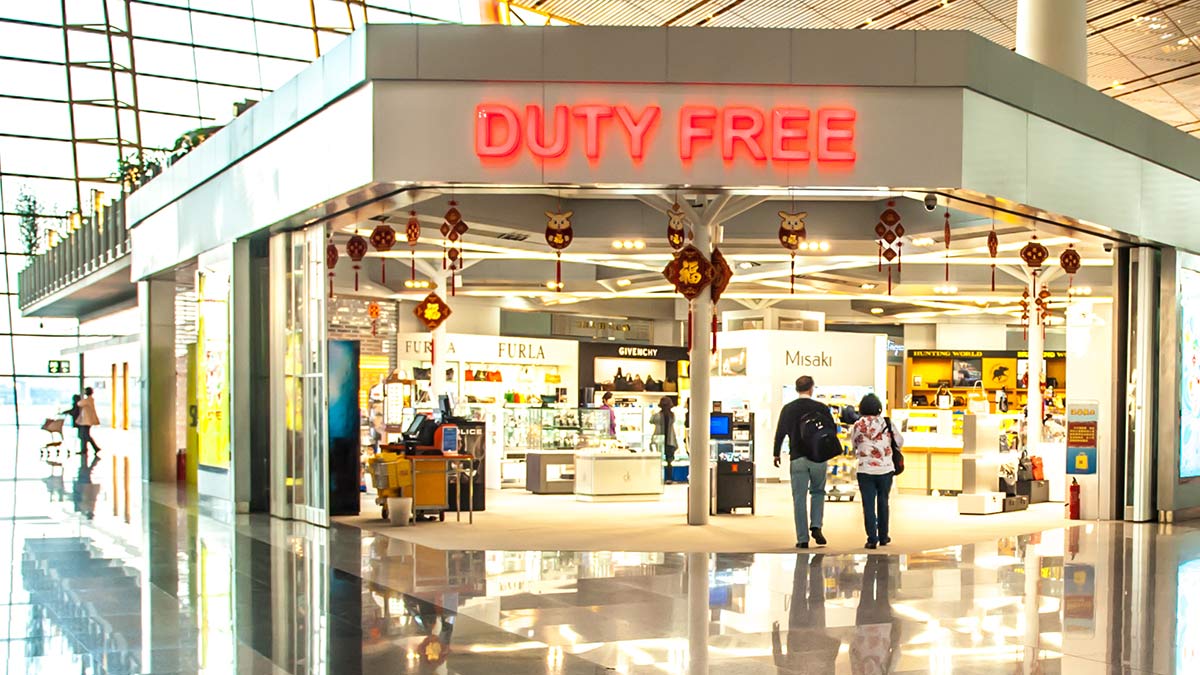
At its core, duty-free shopping involves buying goods in designated areas, such as international airports, seaports, or border shops, without being subject to certain local or national taxes and duties. These taxes and duties typically include import tariffs, excise taxes (on items like alcohol and tobacco), and value-added tax (VAT) or sales tax.
The rationale behind duty-free is to stimulate international travel and trade. By eliminating taxes, goods become more affordable, attracting tourists and boosting sales for retailers in travel hubs. It’s a win-win, theoretically, for both travelers and the businesses that serve them.
A Brief History of Duty-Free
The concept of duty-free shopping dates back to the 19th century, with Shannon Airport in Ireland often credited as the birthplace of the modern duty-free shop. In 1947, Brendan O’Regan established the first duty-free shop at Shannon to cater to transatlantic flight passengers who stopped there to refuel. This innovative idea quickly gained popularity and spread to airports worldwide.
How Duty-Free Works
The mechanics of duty-free shopping are relatively straightforward. When you purchase goods in a duty-free zone, the retailer doesn’t charge you the taxes and duties that would typically apply. However, this exemption comes with certain conditions:
- Eligibility: Typically, you must be traveling internationally to be eligible for duty-free purchases. This usually means presenting a boarding pass or other proof of international travel.
- Location: Duty-free shops are usually located in secure areas of airports, seaports, or at border crossings.
- Restrictions: There are often limits on the quantity of goods you can purchase duty-free, particularly for items like alcohol and tobacco. These limits vary depending on the country and the specific regulations in place.
What Products are Typically Available Duty-Free?
While the specific products available can vary depending on the location, some of the most common items found in duty-free shops include:
- Alcohol: Spirits, wine, and beer are frequently sold duty-free.
- Tobacco: Cigarettes, cigars, and other tobacco products are also commonly available.
- Cosmetics and Fragrances: Perfumes, makeup, and skincare products are popular choices.
- Luxury Goods: Designer handbags, watches, and jewelry can often be found.
- Confectionery: Chocolate and other sweets are frequently offered.
- Electronics: Gadgets like headphones, cameras, and travel adapters are sometimes available.
The Benefits of Duty-Free Shopping
The primary benefit of duty-free shopping is the potential for cost savings. By avoiding taxes and duties, you can often purchase goods at a lower price than you would in a regular retail store. This can be particularly advantageous for expensive items like alcohol, tobacco, and luxury goods.
Beyond price, duty-free shops often offer a unique selection of products that may not be readily available elsewhere. This can include exclusive editions, limited-edition items, or products that are only sold in certain regions.
Finally, duty-free shopping can be a convenient way to purchase gifts or souvenirs while traveling. It allows you to avoid the hassle of shopping in local stores and potentially dealing with language barriers or unfamiliar currencies.
Limitations and Considerations
While duty-free shopping can be appealing, it’s important to be aware of its limitations and potential drawbacks.
- Price Comparisons: Don’t assume that everything in a duty-free shop is cheaper than elsewhere. It’s always a good idea to compare prices with online retailers or local stores to ensure you’re getting a good deal. Sometimes, special promotions or discounts in regular stores can actually make them cheaper than duty-free options.
- Allowance Limits: Be mindful of the allowance limits for bringing goods into your destination country. Exceeding these limits can result in you having to pay taxes and duties on the excess, negating the benefits of duty-free shopping. [See also: International Customs Regulations]
- Destination Taxes: Remember that you might still have to pay taxes and duties when you arrive in your destination country, depending on the local regulations and the value of the goods you’re bringing in.
- Authenticity: While rare, there have been cases of counterfeit or substandard goods being sold in duty-free shops. It’s always a good idea to purchase from reputable retailers and to carefully inspect your purchases before you leave the store.
- Impulse Buys: The allure of duty-free shopping can sometimes lead to impulse buys. Stick to your budget and avoid purchasing items you don’t really need just because they seem like a good deal.
Duty-Free Allowances: A Detailed Look
Understanding duty-free allowances is crucial to avoid unexpected costs and complications when traveling. These allowances specify the quantity and value of goods you can bring into a country without paying import duties or taxes. Allowances vary significantly between countries, so it’s essential to check the specific regulations for your destination before you travel.
Factors Affecting Duty-Free Allowances
Several factors influence duty-free allowances, including:
- Destination Country: Each country sets its own duty-free allowances, which can differ widely.
- Origin of Goods: Some countries have different allowances for goods purchased within the country versus those purchased abroad.
- Type of Goods: Allowances often vary depending on the type of goods, with stricter limits on alcohol and tobacco.
- Traveler’s Age: Some countries have age restrictions on allowances for alcohol and tobacco.
Examples of Duty-Free Allowances
To illustrate the variation in duty-free allowances, here are some examples:
- United States: U.S. residents are typically allowed to bring back $800 worth of goods duty-free, provided they have been outside the country for at least 48 hours. This allowance includes 200 cigarettes and 1 liter of alcohol.
- European Union: Travelers entering the EU from outside the EU generally have a duty-free allowance of €430 for air and sea travel, and €300 for land travel. This allowance includes specific limits on alcohol and tobacco.
- Australia: Travelers entering Australia can bring AUD 900 worth of general goods duty-free. This includes 25 cigarettes or 25 grams of tobacco, and 2.25 liters of alcohol.
These are just a few examples, and it’s crucial to consult the official customs website of your destination country for the most up-to-date and accurate information. [See also: Customs Regulations by Country]
The Future of Duty-Free Shopping
The duty-free industry is constantly evolving to meet the changing needs and preferences of travelers. With the rise of e-commerce and the increasing focus on sustainability, duty-free retailers are adapting their strategies to remain competitive.
One trend is the growing emphasis on personalized shopping experiences. Retailers are using data analytics to understand customer preferences and offer tailored recommendations. This can involve targeted promotions, customized product selections, and enhanced customer service.
Another trend is the increasing focus on sustainability. Travelers are becoming more conscious of the environmental and social impact of their purchases, and duty-free retailers are responding by offering more eco-friendly products and implementing sustainable business practices.
Conclusion: Is Duty-Free Shopping Worth It?
So, what is duty-free shopping worth? Ultimately, the answer depends on your individual circumstances and preferences. If you’re traveling internationally and looking to purchase items like alcohol, tobacco, or luxury goods, duty-free shopping can potentially save you money. However, it’s important to do your research, compare prices, and be mindful of allowance limits to ensure you’re getting the best deal and avoiding any unexpected costs.
By understanding the ins and outs of duty-free shopping, you can make informed decisions and maximize the benefits of this unique travel perk. Happy shopping!
