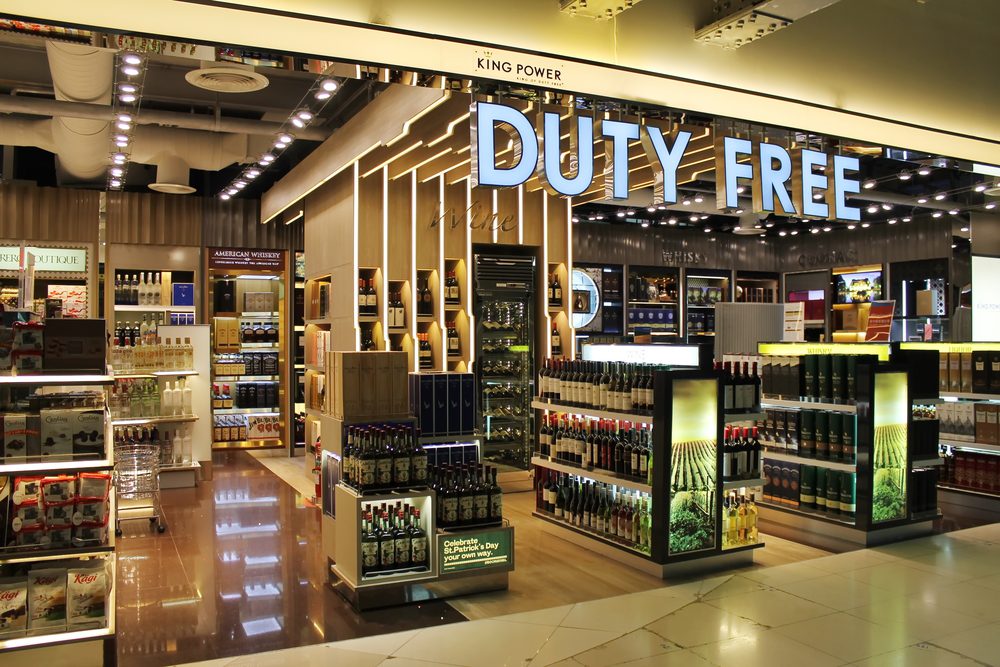
What is Duty-Free? A Comprehensive Guide to Tax-Free Shopping
Navigating the world of travel often involves encountering the term “duty-free.” But what is duty-free, really? It’s more than just a sign in an airport shop. Duty-free shopping presents a unique opportunity for travelers to purchase goods without paying certain taxes and duties. This guide will explore the intricacies of duty-free shopping, covering everything from its definition and benefits to the rules and regulations governing it.
Understanding the Basics of Duty-Free
At its core, duty-free refers to goods sold without the imposition of import or export duties, and sometimes other taxes, by national or sub-national governments. This exemption typically applies when the goods are sold to travelers who will take them out of the country or jurisdiction. The concept aims to promote international trade and tourism by offering travelers savings on various products.
The Historical Context of Duty-Free
The idea of duty-free shopping dates back to the mid-20th century. Shannon Airport in Ireland is often credited with pioneering the concept in 1947. Initially, it was a way to make transatlantic flights more appealing by providing a place for passengers to purchase goods without paying taxes. This innovative approach quickly gained popularity and spread to other airports and border crossings worldwide.
Key Benefits of Duty-Free Shopping
The primary advantage of duty-free shopping is the potential cost savings. By avoiding taxes and duties, travelers can often purchase items at a lower price than they would pay in their home country. This is particularly true for goods subject to high taxes, such as alcohol, tobacco, and luxury items. Additionally, duty-free shops often offer exclusive products and brands that may not be available elsewhere.
What Products Are Typically Available Duty-Free?
The range of products available in duty-free shops can vary depending on the location and the specific store. However, some common categories include:
- Alcohol: Spirits, wine, and beer are frequently offered at discounted prices.
- Tobacco: Cigarettes, cigars, and other tobacco products are another staple of duty-free shopping.
- Cosmetics and Perfumes: Many travelers take advantage of duty-free prices on perfumes, makeup, and skincare products.
- Luxury Goods: Watches, jewelry, and designer clothing are often available.
- Electronics: Some duty-free shops carry electronics like headphones, cameras, and mobile phones.
- Souvenirs and Local Products: These offer a chance to purchase unique items specific to the region.
The availability of specific items can depend on local regulations and the focus of the duty-free retailer. For example, some airports may have a greater emphasis on luxury goods, while others may cater more to travelers seeking souvenirs.
Where Can You Find Duty-Free Shops?
Duty-free shops are commonly found in international airports, border crossings, seaports, and on-board some international flights and ferries. These locations are strategically chosen to serve travelers who are crossing international borders and are therefore eligible for tax exemptions.
Duty-Free at Airports
Airports are the most common location for duty-free shopping. Major international airports typically have a wide variety of duty-free stores, offering a diverse selection of products. These shops are usually located in the departure areas, after passengers have passed through security and immigration.
Duty-Free at Border Crossings
Land border crossings between countries often feature duty-free shops. These are popular among travelers who are driving or taking buses across borders. The selection may be more limited than at airports, but prices can still be attractive.
Duty-Free Onboard Flights and Ferries
Some international flights and ferries offer duty-free shopping onboard. This allows passengers to purchase goods during their journey. The selection is generally more limited than in airport shops, but it can still be a convenient option for travelers.
Rules and Regulations Governing Duty-Free Shopping
While duty-free shopping offers potential savings, it’s essential to be aware of the rules and regulations that govern it. These rules vary from country to country and can impact what you can purchase and how much you can bring back into your home country.
Allowance Limits
One of the most important aspects of duty-free shopping is understanding the allowance limits. Each country sets limits on the quantity and value of goods that travelers can bring back without paying duties and taxes. These limits can vary depending on the type of goods and the traveler’s country of residence. Exceeding these limits can result in having to pay duties and taxes on the excess items, negating the benefits of duty-free shopping.
Country-Specific Regulations
It’s crucial to research the specific regulations of both the country where you are making the purchase and your home country. Some countries have stricter rules than others, particularly regarding alcohol and tobacco. Failure to comply with these regulations can result in fines, confiscation of goods, or even legal penalties.
Restrictions on Certain Items
Some items may be subject to restrictions or prohibitions, even when purchased duty-free. For example, certain agricultural products or endangered species items may be restricted to prevent the spread of diseases or protect wildlife. It’s essential to be aware of these restrictions to avoid potential problems at customs.
Tips for Making the Most of Duty-Free Shopping
To maximize the benefits of duty-free shopping, consider these tips:
- Plan Ahead: Research prices and regulations before you travel. This will help you identify the best deals and avoid any surprises at customs.
- Compare Prices: Don’t assume that duty-free prices are always the lowest. Compare prices with online retailers and local stores to ensure you’re getting a good deal.
- Check Allowance Limits: Be aware of the allowance limits for your destination and home country. Keep track of your purchases to avoid exceeding these limits.
- Consider Exchange Rates: Exchange rates can impact the actual cost of your purchases. Be sure to factor in the exchange rate when comparing prices.
- Read the Fine Print: Pay attention to any terms and conditions associated with duty-free purchases, such as return policies and warranty information.
- Be Mindful of Liquids: If you’re purchasing liquids, be aware of the restrictions on carrying liquids in your hand luggage. You may need to pack them in your checked baggage.
The Future of Duty-Free Shopping
The duty-free industry continues to evolve, with new trends and technologies shaping its future. E-commerce and online duty-free shopping are becoming increasingly popular, offering travelers the convenience of browsing and purchasing goods from the comfort of their homes. Additionally, duty-free retailers are focusing on enhancing the customer experience by offering personalized services, exclusive products, and interactive shopping environments.
Conclusion
So, what is duty-free? It’s a valuable opportunity for travelers to save money on a variety of goods by avoiding taxes and duties. By understanding the rules, regulations, and tips outlined in this guide, you can make the most of your duty-free shopping experience and enjoy the benefits of tax-free purchases. Remember to plan ahead, compare prices, and be aware of allowance limits to ensure a smooth and rewarding shopping experience. Duty-free offers a unique way to enhance your travel experience and bring home souvenirs and gifts at a potentially lower cost. Understanding the nuances of duty-free can help you make informed decisions and maximize your travel budget. Whether you’re looking for luxury items, alcohol, tobacco, or local souvenirs, duty-free shops offer a diverse selection of products to cater to your needs. Always verify the authenticity of products to avoid counterfeit items. [See also: International Travel Tips] Happy shopping!
