What is Duty-Free? A Comprehensive Guide to Tax-Free Shopping
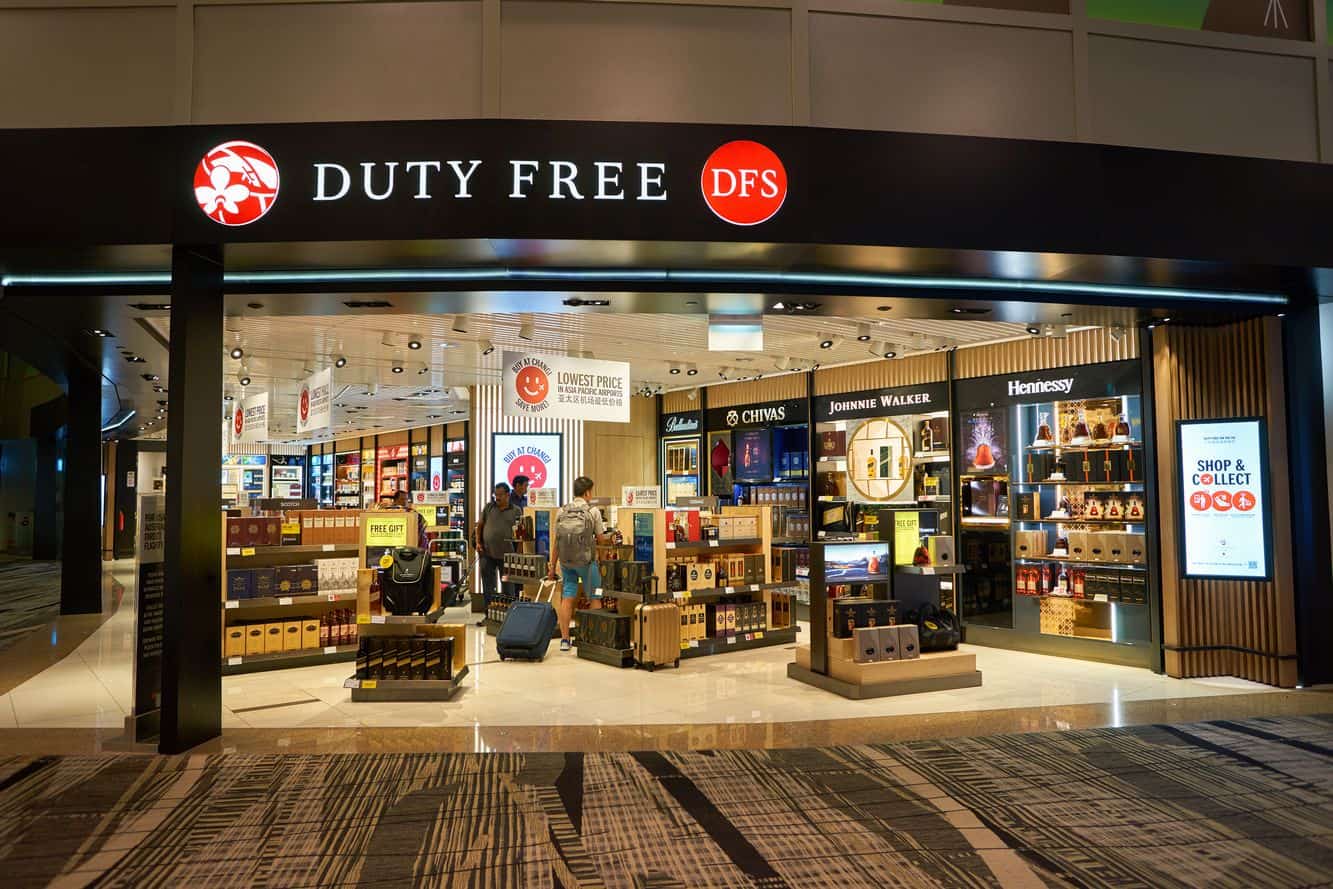
Have you ever strolled through an airport or a border crossing and noticed shops advertising “Duty-Free” goods? The allure of potentially lower prices on luxury items, alcohol, and tobacco is often tempting. But what is duty-free shopping, and how does it actually work? This comprehensive guide will break down the concept of duty-free, explain its benefits and limitations, and provide essential information for navigating this unique retail environment.
Understanding Duty and Taxes
To fully grasp the concept of duty-free, it’s crucial to understand the role of duties and taxes in international trade. Governments impose these charges on goods imported into their country for several reasons, including generating revenue, protecting domestic industries, and regulating specific products.
- Duties (or Tariffs): These are taxes levied on imported goods, typically based on their value, weight, or quantity. The specific duty rate varies depending on the product and the country of origin.
- Taxes (VAT, Sales Tax, Excise Tax): In addition to duties, imported goods are often subject to value-added tax (VAT), sales tax, or excise tax, similar to goods sold domestically. These taxes contribute to the overall cost of consumer goods.
The Essence of Duty-Free
Duty-free shopping essentially means purchasing goods without paying the applicable import duties and taxes. This exemption is granted in specific zones, most commonly at international airports, seaports, and border crossings. The idea is that these goods are intended for export and consumption in another country, hence the waiver of domestic taxes.
The concept of duty-free relies on the principle that taxes should be levied in the country where the goods are ultimately consumed. By allowing travelers to purchase goods without paying duties and taxes in the country of departure, the system avoids double taxation.
Where Can You Find Duty-Free Shops?
Duty-free shops are strategically located in areas where international travelers pass through. Common locations include:
- International Airports: These are the most prevalent locations for duty-free shopping, offering a wide range of products to departing and arriving passengers.
- Seaports: Cruise ships and international ferries often feature duty-free shops onboard, catering to passengers traveling between countries.
- Border Crossings: Land border crossings between countries frequently have duty-free shops, allowing travelers to purchase goods before entering a new country.
- Designated Duty-Free Zones: Some countries have established special economic zones where goods can be imported, stored, and processed without paying duties or taxes until they enter the domestic market.
What Products are Typically Available Duty-Free?
The range of products available duty-free varies depending on the location and the specific regulations of the country. However, some of the most common items include:
- Alcohol: Spirits, wine, and beer are frequently sold duty-free, often at significantly lower prices than in domestic markets.
- Tobacco Products: Cigarettes, cigars, and other tobacco products are another staple of duty-free shopping.
- Perfumes and Cosmetics: Luxury perfumes, cosmetics, and skincare products are popular choices for duty-free shoppers.
- Luxury Goods: Designer handbags, watches, jewelry, and other luxury items are often available duty-free.
- Confectionery: Chocolate, sweets, and other confectionery items can also be found in duty-free shops.
- Electronics: Some duty-free shops offer electronics, such as cameras, headphones, and mobile phones.
The Benefits of Duty-Free Shopping
The primary benefit of duty-free shopping is the potential for cost savings. By avoiding import duties and taxes, travelers can often purchase goods at lower prices than they would pay in their home country. This is particularly true for high-value items like alcohol, tobacco, and luxury goods. [See also: Currency Exchange Tips for International Travel]
Beyond price, duty-free shops often offer a wider selection of products than domestic retailers, including exclusive brands and limited-edition items. This can be particularly appealing to travelers looking for unique souvenirs or gifts.
Limitations and Considerations
While duty-free shopping can be advantageous, it’s essential to be aware of its limitations and potential drawbacks:
- Allowance Limits: Most countries have limits on the quantity and value of duty-free goods that travelers can bring into the country without paying duties and taxes. Exceeding these limits can result in penalties, including the confiscation of goods and the imposition of taxes. It’s vital to check the specific allowance limits for your destination before making any purchases.
- Price Comparisons: Don’t assume that all duty-free goods are cheaper than those available elsewhere. Prices can vary significantly depending on the location, the retailer, and the specific product. It’s always a good idea to compare prices with those in your home country or online before making a purchase.
- Currency Exchange Rates: When shopping duty-free in a foreign country, be mindful of currency exchange rates. The exchange rate can impact the actual cost of the goods, and it’s essential to factor this into your calculations.
- Fake or Counterfeit Goods: While rare, there is a risk of encountering fake or counterfeit goods in some duty-free shops, particularly in less regulated environments. Purchase from reputable retailers and carefully examine the products before buying.
- Regulations and Restrictions: Some countries have specific regulations or restrictions on certain duty-free goods. For example, there may be restrictions on the import of certain types of alcohol or tobacco products. It’s crucial to be aware of these regulations before making a purchase.
- Inconvenience: Hauling extra bottles of liquor or large boxes of candy can be cumbersome while traveling. Consider the logistics of transporting your duty-free purchases.
Tips for Smart Duty-Free Shopping
To make the most of your duty-free shopping experience, consider the following tips:
- Research Allowance Limits: Before you travel, research the duty-free allowance limits for your destination country. This will help you avoid exceeding the limits and incurring penalties.
- Compare Prices: Don’t assume that all duty-free goods are cheaper. Compare prices with those in your home country or online to ensure you’re getting a good deal.
- Factor in Exchange Rates: When shopping in a foreign country, be mindful of currency exchange rates. Factor the exchange rate into your calculations to determine the actual cost of the goods.
- Shop at Reputable Retailers: Purchase from reputable duty-free retailers to avoid the risk of encountering fake or counterfeit goods.
- Examine Products Carefully: Before buying, carefully examine the products to ensure they are genuine and in good condition.
- Consider Your Needs: Only purchase items that you actually need or want. Don’t be tempted to buy things simply because they are available duty-free.
- Plan Your Purchases: Plan your duty-free purchases in advance, especially if you’re looking for specific items. This will help you avoid impulse purchases and stay within your budget.
The Future of Duty-Free
The duty-free industry continues to evolve, with retailers adapting to changing consumer preferences and technological advancements. Online duty-free shopping is becoming increasingly popular, allowing travelers to browse and purchase goods before they even arrive at the airport. [See also: The Impact of Technology on Travel and Tourism]
As international travel continues to grow, duty-free shopping is likely to remain a popular option for travelers looking to save money and purchase unique products. However, it’s essential to be informed and make smart choices to ensure a positive and rewarding shopping experience.
Conclusion
So, what is duty-free? It’s a system that allows travelers to purchase goods without paying import duties and taxes, offering potential cost savings and access to a wider range of products. However, it’s crucial to be aware of allowance limits, compare prices, and shop at reputable retailers to make the most of your duty-free shopping experience. By understanding the benefits and limitations of duty-free, you can make informed decisions and enjoy the perks of tax-free shopping on your next international trip. Remember to always check the specific regulations of your destination country and plan your purchases carefully.
