What is Duty-Free? A Comprehensive Guide to Tax-Free Shopping
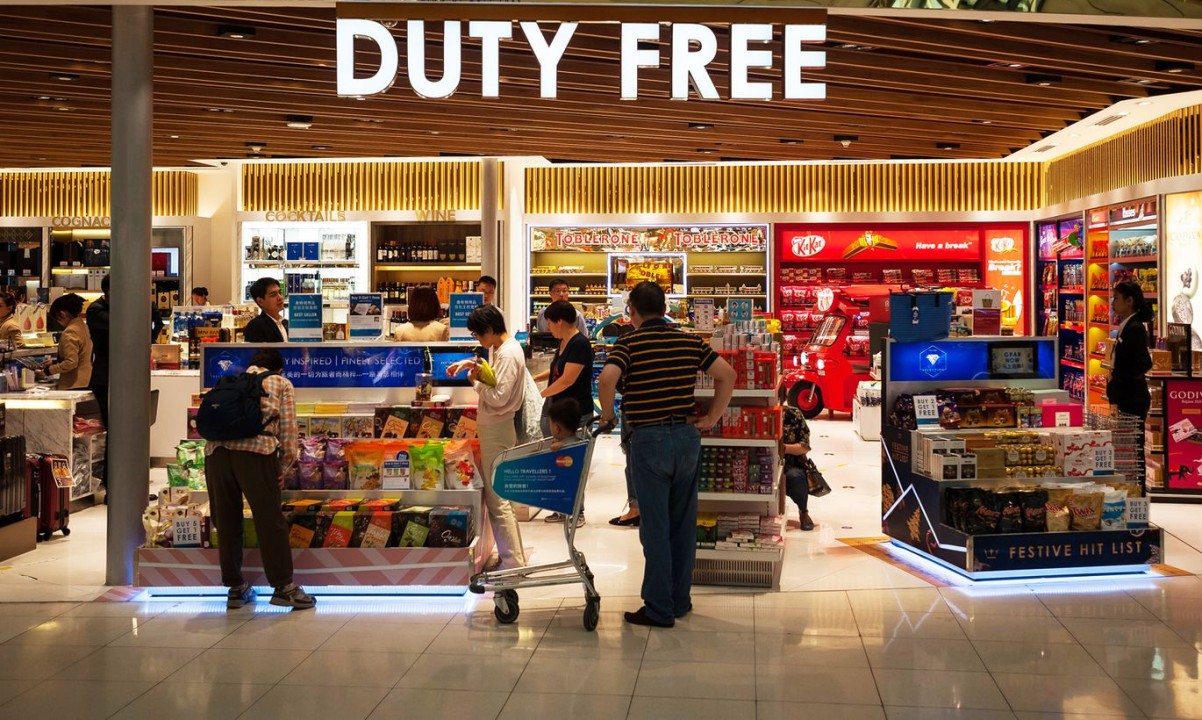
Ever strolled through an airport and seen those alluring duty-free shops, brimming with luxury goods at seemingly discounted prices? The concept of duty-free shopping often sparks curiosity. What exactly does it mean, and how does it work? This comprehensive guide will unpack the intricacies of duty-free, exploring its history, benefits, limitations, and everything in between. Understanding what is duty-free can significantly enhance your travel experience, potentially saving you money on coveted items.
The Origins of Duty-Free
The story of duty-free begins in 1947 at Shannon Airport in Ireland. Brendan O’Regan, a pioneering airport manager, recognized the potential for selling goods without levying taxes to passengers transiting through the airport. This innovative idea quickly gained traction, and the concept of duty-free shopping spread globally, becoming a staple of international travel.
How Duty-Free Works
The core principle of duty-free shopping lies in the exemption of certain taxes and duties on goods sold to travelers who are taking them out of the country or customs territory. These taxes and duties typically include import duties, excise taxes, and value-added tax (VAT) or sales tax. Because these taxes aren’t applied, the prices of duty-free items can be lower than those in regular retail stores.
Eligibility and Restrictions
Not everyone is eligible to purchase duty-free goods. Generally, you must be traveling internationally, meaning you are departing from one country to another. Some duty-free shops also cater to passengers traveling between specific customs territories, such as within the European Union. You’ll typically need to present your boarding pass and passport to prove your eligibility. Furthermore, there are often restrictions on the quantity of goods you can purchase duty-free, particularly for items like alcohol and tobacco. These restrictions vary depending on the country and its regulations.
Common Duty-Free Items
Duty-free shops typically offer a wide range of products, including:
- Alcohol: Liquor, wine, and beer are popular duty-free purchases.
- Tobacco: Cigarettes, cigars, and other tobacco products are frequently available.
- Perfumes and Cosmetics: Fragrances, makeup, and skincare products are common offerings.
- Luxury Goods: Designer handbags, watches, and jewelry can often be found.
- Electronics: Gadgets like headphones, cameras, and smartphones may be available.
- Confectionery: Chocolates, candies, and other sweets are often stocked.
The Perceived Benefits of Duty-Free
The primary allure of duty-free shopping is the potential for savings. By avoiding taxes and duties, travelers can often purchase goods at lower prices compared to domestic retail outlets. However, it’s crucial to remember that the actual savings can vary depending on the product, the country, and the applicable tax rates. It’s always wise to compare prices before making a purchase to ensure you’re genuinely getting a good deal.
Is Duty-Free Always Cheaper?
While duty-free shopping often presents the opportunity for savings, it’s not always guaranteed to be cheaper. Several factors can influence the final price, including:
- Exchange Rates: Fluctuations in currency exchange rates can impact the cost of duty-free goods.
- Retailer Markups: Duty-free retailers still need to make a profit, so they may add markups to the prices.
- Promotional Offers: Regular retail stores sometimes offer promotional discounts that can rival or even surpass duty-free prices.
- Local Taxes: The tax rates in your home country can influence whether duty-free is a better deal.
The Future of Duty-Free
The duty-free industry is constantly evolving to adapt to changing consumer preferences and technological advancements. Online duty-free shopping is becoming increasingly popular, allowing travelers to pre-order goods and collect them at the airport. Additionally, duty-free retailers are focusing on creating more immersive and experiential shopping environments to attract customers. [See also: The Rise of Online Duty-Free Shopping]
Navigating the World of Duty-Free Shopping
To make the most of your duty-free experience, consider these tips:
- Plan Ahead: Research the duty-free allowances for your destination country to avoid exceeding the limits.
- Compare Prices: Don’t assume that duty-free is always the cheapest option. Compare prices with online retailers and local stores.
- Check Exchange Rates: Be aware of the current exchange rates to accurately assess the cost of goods.
- Read the Fine Print: Pay attention to any restrictions or limitations on the products you’re purchasing.
- Be Mindful of Liquids: Regulations regarding liquids in carry-on baggage can impact your ability to transport duty-free purchases.
Duty-Free Allowances: What You Need to Know
Understanding duty-free allowances is crucial to avoid potential problems with customs officials upon arrival at your destination. These allowances dictate the quantity and value of goods you can bring into a country without paying additional duties or taxes. These allowances vary significantly from country to country, so it’s essential to research the specific regulations of your destination before you travel. Ignoring these rules can result in confiscation of goods or even fines. For instance, the allowance for alcohol and tobacco will be different from country to country. Always check the official government websites of your destination country for accurate and up-to-date information on duty-free allowances.
Factors Affecting Duty-Free Allowances
Several factors can influence duty-free allowances, including:
- Destination Country: As mentioned earlier, each country sets its own duty-free allowances.
- Origin of Goods: Some countries may have different allowances depending on where the goods were purchased.
- Traveler Status: Some countries may offer different allowances to residents and non-residents.
- Type of Goods: Allowances often vary depending on the type of goods, such as alcohol, tobacco, or other products.
The Economic Impact of Duty-Free
The duty-free industry has a significant economic impact, generating revenue for airports, retailers, and governments. It also creates employment opportunities in retail, logistics, and other related sectors. Furthermore, duty-free shopping can contribute to tourism by attracting travelers to airports and destinations that offer a wide range of duty-free goods. The taxes generated from the sale of goods and services related to duty-free shopping can be used to fund various government programs and initiatives.
Duty-Free vs. Tax-Free: Understanding the Difference
While the terms “duty-free” and “tax-free” are often used interchangeably, there is a subtle difference between them. Duty-free refers specifically to the exemption of import duties and excise taxes, while tax-free can encompass a broader range of taxes, including VAT or sales tax. In some countries, you may be able to claim a refund of VAT or sales tax on goods purchased in regular retail stores if you are a non-resident. This is often referred to as tax-free shopping. However, this process typically involves more paperwork and may require you to present your passport and proof of departure at the point of purchase. Understanding the distinction between duty-free and tax-free can help you make informed decisions about where to shop and how to maximize your savings.
Duty-Free Shopping: A Traveler’s Guide
Duty-free shopping offers a unique opportunity to purchase goods without paying certain taxes and duties. While it can provide significant savings, it’s essential to do your research, compare prices, and understand the applicable regulations and allowances. By following these tips, you can navigate the world of duty-free shopping with confidence and enjoy a rewarding travel experience. Remember to always check the latest rules and regulations regarding what you can bring back into your home country to avoid any unexpected surprises at customs. So, next time you’re at the airport, take a moment to explore the duty-free shops, but do so with a well-informed perspective.
