What is the Meaning of Duty Free? A Comprehensive Guide
Traveling internationally often involves navigating a complex web of regulations, taxes, and fees. One term that frequently surfaces in airports and border crossings is “duty free.” But what is the meaning of duty free, and how does it benefit travelers? This comprehensive guide will explore the concept of duty free shopping, its history, the products typically available, and the rules and regulations surrounding it.
Understanding the Basics of Duty Free
At its core, duty free refers to goods that are exempt from the payment of certain import taxes and duties. These taxes, which can include customs duties, excise taxes, and value-added taxes (VAT), are typically levied on goods when they cross international borders. The purpose of duty free zones is to facilitate international trade and tourism by allowing travelers to purchase goods without these added costs.
The concept hinges on the idea that if goods are purchased in one country and consumed or gifted in another, the taxes should be paid in the destination country, not the point of purchase. This creates an incentive for travelers to spend money at duty free shops, boosting revenue for airports, airlines, and retailers.
A Brief History of Duty Free
The origins of duty free shopping can be traced back to Shannon Airport in Ireland in 1947. Brendan O’Regan, a visionary airport manager, recognized the potential of offering tax-exempt goods to transatlantic passengers who were required to refuel at Shannon. This innovative idea quickly gained popularity, and similar duty free shops began to appear in airports around the world. [See also: The Evolution of Airport Retail]
The initial aim was to provide a convenient and affordable shopping experience for international travelers. Over time, duty free shopping has evolved into a multi-billion dollar industry, with a wide range of products available at competitive prices.
Common Duty Free Products
While the specific products available at duty free shops can vary depending on the location and retailer, some items are consistently popular among travelers:
- Alcohol: Spirits, wines, and beers are frequently purchased at duty free shops due to the significant tax savings.
- Tobacco: Cigarettes, cigars, and other tobacco products are also popular, particularly in countries with high tobacco taxes.
- Perfumes and Cosmetics: Fragrances, skincare products, and makeup are often offered at discounted prices.
- Confectionery: Chocolates, candies, and other sweets are a common impulse purchase.
- Luxury Goods: Watches, jewelry, and designer accessories may be available at duty free shops, offering significant savings compared to retail prices.
- Electronics: While less common than other categories, some duty free shops offer electronics such as headphones, cameras, and mobile phones.
Rules and Regulations Surrounding Duty Free
While duty free shopping offers potential savings, it’s essential to be aware of the rules and regulations that govern it. These rules can vary depending on the country of purchase and the destination country.
Allowance Limits
Most countries have allowance limits for duty free goods. This means that you can only bring a certain quantity or value of goods into the country without paying taxes. Exceeding these limits can result in taxes and duties being levied on the entire purchase, potentially negating any savings.
Destination Country Regulations
It’s crucial to check the regulations of your destination country before making duty free purchases. Some countries have strict rules regarding the import of certain items, such as alcohol or tobacco. Failure to comply with these regulations can result in fines, confiscation of goods, or even legal penalties.
Proof of Travel
To purchase duty free goods, you will typically need to provide proof of international travel, such as a boarding pass or passport. This is to ensure that the goods are indeed being exported and not consumed within the country of purchase.
Security Restrictions
Keep in mind that security restrictions may apply to liquids and other items purchased at duty free shops. If you have a connecting flight, you may need to pack your duty free purchases in your checked baggage to comply with liquid restrictions. [See also: Airport Security Protocols for Duty Free Purchases]
Benefits of Duty Free Shopping
The primary benefit of duty free shopping is the potential for significant savings on goods. By avoiding taxes and duties, travelers can often purchase items at prices lower than those found in regular retail stores. This can be particularly advantageous for high-value items such as alcohol, tobacco, and luxury goods.
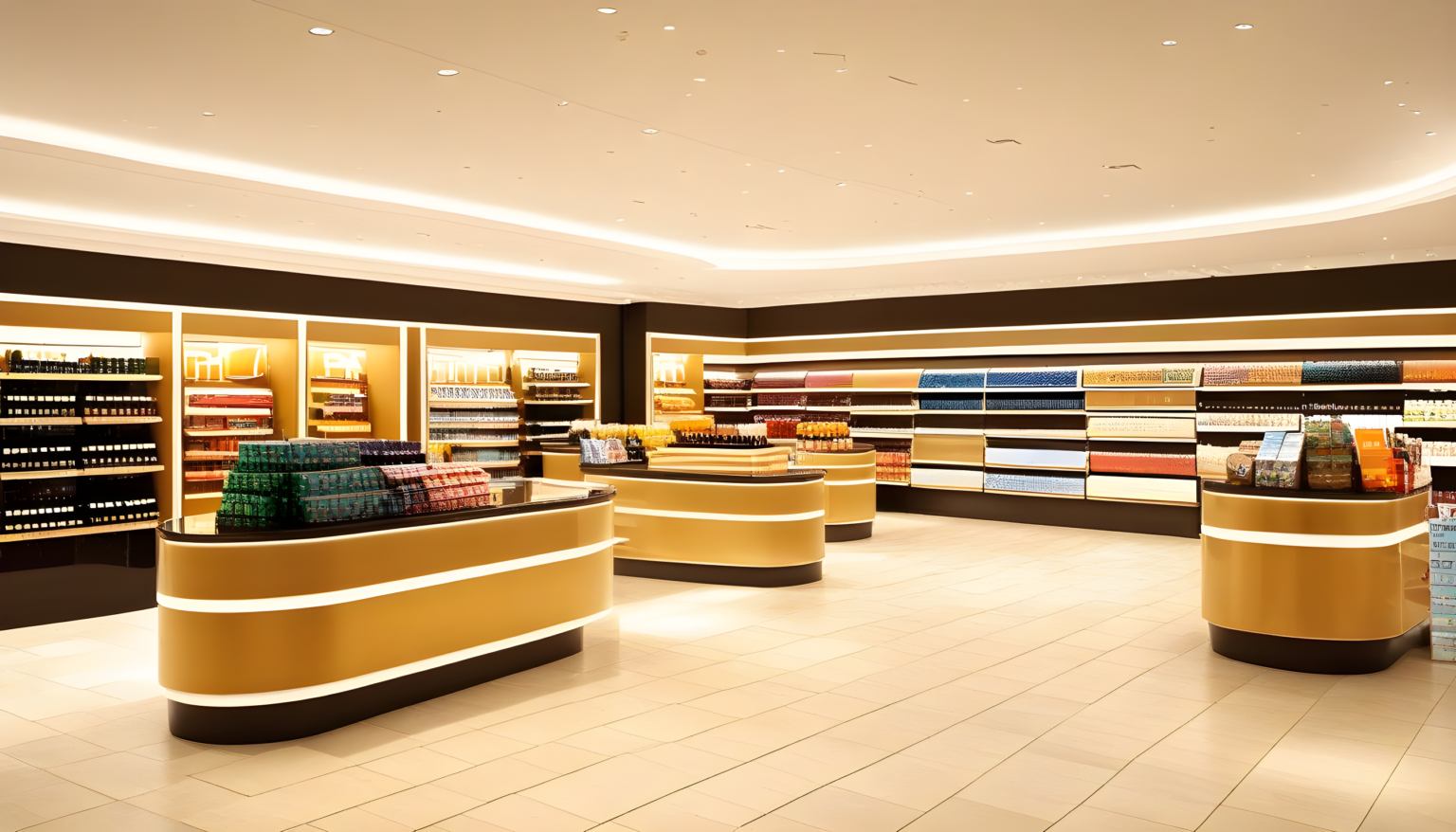
Duty free shops also offer a convenient shopping experience for international travelers. They are typically located in airports and border crossings, making it easy to purchase goods while on the move. Many duty free shops offer a wide selection of products, catering to diverse tastes and preferences.
Potential Drawbacks of Duty Free Shopping
While duty free shopping can offer benefits, it’s essential to be aware of potential drawbacks.
One common misconception is that duty free goods are always cheaper than those found elsewhere. In some cases, prices may be comparable to or even higher than those offered by regular retailers, especially after accounting for currency exchange rates and potential sales or promotions. It’s always a good idea to compare prices before making a purchase.
Another potential drawback is the temptation to overspend. The allure of tax-free goods can lead to impulse purchases and exceeding your budget. It’s important to set a spending limit and stick to it.
The Future of Duty Free
The duty free industry is constantly evolving to meet the changing needs of travelers. With the rise of e-commerce and online shopping, duty free retailers are increasingly offering online ordering and pre-flight pickup options. This allows travelers to browse and purchase goods in advance, saving time and ensuring availability.
Sustainability is also becoming an increasingly important consideration. Many duty free retailers are adopting eco-friendly practices, such as using sustainable packaging and offering ethically sourced products.
Tips for Maximizing Your Duty Free Shopping Experience
To make the most of your duty free shopping experience, consider the following tips:
- Do Your Research: Before you travel, research the prices of items you’re interested in buying at duty free shops and compare them to regular retail prices.
- Know Your Allowances: Familiarize yourself with the allowance limits of your destination country to avoid paying taxes on your purchases.
- Check for Promotions: Look for special offers and promotions at duty free shops to maximize your savings.
- Compare Prices: Don’t assume that duty free goods are always cheaper. Compare prices with other retailers before making a purchase.
- Be Mindful of Security Restrictions: If you have a connecting flight, be aware of liquid restrictions and pack your duty free purchases accordingly.
- Set a Budget: Avoid impulse purchases by setting a spending limit and sticking to it.
Conclusion
Understanding what is the meaning of duty free is essential for any international traveler looking to save money and enhance their shopping experience. By knowing the rules, regulations, and potential benefits and drawbacks, you can make informed decisions and maximize your savings. While duty free shopping offers opportunities to purchase goods without taxes, it’s crucial to be aware of allowance limits, destination country regulations, and potential security restrictions. With careful planning and research, you can enjoy the benefits of duty free shopping while avoiding any surprises.
