What’s Deflation? Understanding the Economic Phenomenon
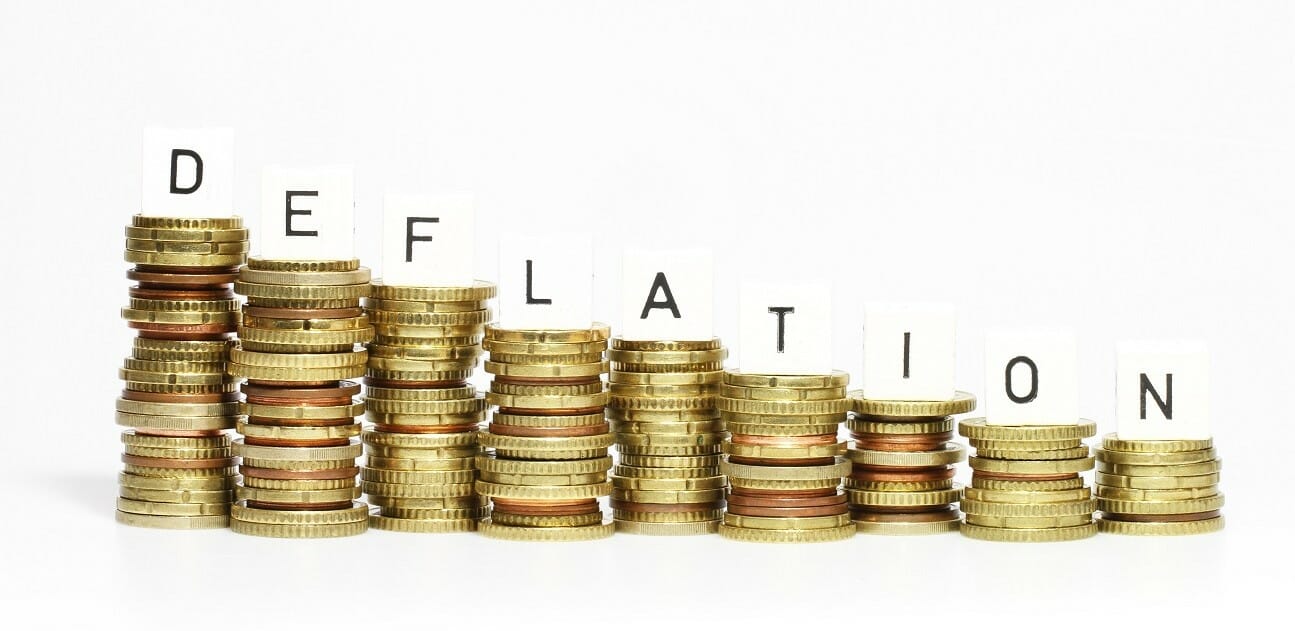
Deflation, in its simplest form, is the opposite of inflation. It represents a sustained decrease in the general price level of goods and services in an economy. While lower prices might sound appealing at first glance, persistent deflation can actually signal deeper economic problems. This article aims to provide a comprehensive understanding of what deflation is, its causes, consequences, and potential remedies.
Defining Deflation: More Than Just Lower Prices
To truly grasp what deflation entails, it’s crucial to distinguish it from disinflation. Disinflation refers to a slowing down in the rate of inflation. Prices are still rising, but at a slower pace. Deflation, on the other hand, means prices are actually falling across the board.
Several factors can contribute to deflation, often stemming from an imbalance between supply and demand. These factors can include:
- Decreased Aggregate Demand: A drop in consumer spending or business investment can lead to a surplus of goods and services, forcing businesses to lower prices.
- Increased Productivity: Technological advancements or improved efficiency can increase the supply of goods and services, potentially outpacing demand.
- Contractionary Monetary Policy: Central banks might raise interest rates or reduce the money supply to curb inflation, but if taken too far, this can trigger deflation.
- Debt: High levels of public or private debt can discourage spending and investment, contributing to a decrease in aggregate demand.
The Causes of Deflation: A Deeper Dive
Demand-Side Deflation
Demand-side deflation occurs when there is a significant reduction in the overall demand for goods and services in the economy. Several factors can cause this:
- Recessions: During economic downturns, people lose jobs, incomes fall, and confidence plummets. This leads to a sharp decline in consumer spending.
- Increased Savings: If people become fearful about the future, they may choose to save more and spend less, further reducing demand.
- Government Austerity: Governments may cut spending to reduce budget deficits, which can lower aggregate demand, especially in the short term.
Supply-Side Deflation
Supply-side deflation arises when there is a significant increase in the supply of goods and services without a corresponding increase in demand. Common causes include:
- Technological Advancements: Innovations can lead to increased productivity and lower production costs, resulting in a surplus of goods.
- Increased Competition: Globalization and deregulation can increase competition among businesses, forcing them to lower prices.
- Lower Input Costs: A decrease in the cost of raw materials, energy, or labor can reduce production costs, leading to lower prices.
The Consequences of Deflation: A Vicious Cycle
While lower prices might seem beneficial, persistent deflation can have serious negative consequences for an economy.
The Debt Burden
Deflation increases the real value of debt. If you owe a fixed amount of money, the real burden of that debt increases as prices fall. This can lead to:
- Reduced Spending: Debtors may cut back on spending to repay their debts, further reducing demand.
- Increased Defaults: Some debtors may be unable to repay their debts, leading to defaults and financial instability.
- Bankruptcies: Increased defaults can lead to bankruptcies for both individuals and businesses.
Delayed Consumption and Investment
Deflation can lead to a “wait-and-see” attitude among consumers and businesses. If prices are expected to fall further, people may delay purchases and investments, hoping to get a better deal later. This can:
- Reduce Demand: Delayed consumption and investment further reduce aggregate demand.
- Slow Economic Growth: Reduced demand can lead to lower production, job losses, and slower economic growth.
Wage Cuts and Unemployment
Businesses facing falling prices may respond by cutting wages or laying off workers to reduce costs. This can:
- Reduce Income: Wage cuts reduce household incomes, further reducing demand.
- Increase Unemployment: Job losses increase unemployment, further reducing demand and increasing social unrest.
The Deflationary Spiral
The combination of increased debt burden, delayed consumption and investment, and wage cuts and unemployment can create a deflationary spiral. Falling prices lead to reduced demand, which leads to further price cuts, and so on. This can be very difficult to break.
Examples of Deflation in History
Deflation is not just a theoretical concept. It has occurred in many countries throughout history. Two notable examples include:
The Great Depression (1930s)
The Great Depression was characterized by severe deflation in many countries. Prices fell sharply, leading to widespread unemployment, bankruptcies, and economic hardship. The deflation was caused by a combination of factors, including a collapse in the money supply and a sharp decline in demand.
Japan in the 1990s and 2000s
Japan experienced a prolonged period of deflation in the 1990s and 2000s, often referred to as the “Lost Decade.” This deflation was caused by a combination of factors, including a bursting asset bubble, an aging population, and a lack of structural reforms. [See also: Japan’s Economic Challenges].
Combating Deflation: Policy Responses
Central banks and governments have several tools at their disposal to combat deflation.
Monetary Policy
Central banks can use monetary policy to stimulate demand and raise prices. Common measures include:
- Lowering Interest Rates: Lower interest rates encourage borrowing and spending, increasing demand.
- Quantitative Easing (QE): QE involves a central bank injecting money into the economy by purchasing assets, such as government bonds. This increases the money supply and lowers interest rates. [See also: Understanding Quantitative Easing]
- Negative Interest Rates: Some central banks have experimented with negative interest rates, charging banks for holding reserves at the central bank. This is intended to encourage banks to lend more money.
Fiscal Policy
Governments can use fiscal policy to stimulate demand and raise prices. Common measures include:
- Increased Government Spending: Government spending on infrastructure projects, education, or healthcare can increase demand.
- Tax Cuts: Tax cuts can increase disposable income, leading to increased consumer spending.
Structural Reforms
Structural reforms can address underlying problems that contribute to deflation. These reforms can include:
- Deregulation: Reducing regulations can increase competition and efficiency, leading to lower prices.
- Labor Market Reforms: Reforms to labor laws can increase flexibility and reduce unemployment.
- Trade Liberalization: Reducing trade barriers can increase competition and lower prices.
Is Deflation Always Bad?
While deflation is generally considered to be harmful, there are some situations where it can be benign or even beneficial. For example, if deflation is caused by a significant increase in productivity, it can lead to higher living standards without causing significant economic problems. However, this type of deflation is rare.
Conclusion: Deflation – A Complex Economic Challenge
Deflation is a complex economic phenomenon with potentially serious consequences. It represents a sustained decrease in the general price level and can be triggered by various factors, including decreased demand, increased productivity, and contractionary monetary policy. While lower prices may seem appealing, persistent deflation can lead to increased debt burdens, delayed consumption and investment, wage cuts, and unemployment, potentially creating a deflationary spiral. Understanding what deflation is and its potential impact is crucial for policymakers and individuals alike to navigate economic challenges effectively. By implementing appropriate monetary and fiscal policies, and pursuing structural reforms, economies can mitigate the risks associated with deflation and foster sustainable economic growth.
