What’s Duty-Free? A Comprehensive Guide to Tax-Free Shopping
Ever wondered about those alluring shops in airports and border crossings promising significant savings? They operate under the banner of “duty-free.” But what’s duty-free, really? This article provides a comprehensive overview, exploring the concept, its benefits, limitations, and everything you need to know to make informed purchases.
Understanding Duty and Taxes
To understand what’s duty-free, it’s essential to first grasp the concept of duty and taxes. Governments impose these levies on goods for various reasons, including raising revenue, protecting domestic industries, and regulating trade. Duty, also known as customs duty or tariffs, is a tax levied on goods imported or exported across international borders. Taxes, on the other hand, encompass a broader range of levies, including value-added tax (VAT), sales tax, and excise tax. These taxes are typically applied to the sale or consumption of goods and services within a country.
The Core Concept of Duty-Free
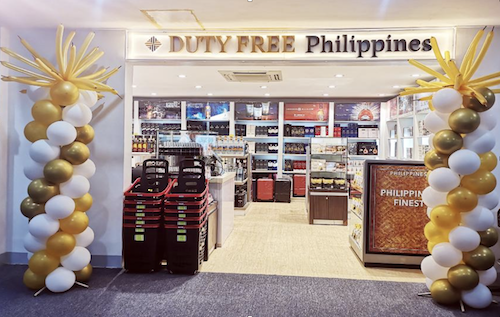
Duty-free shopping allows travelers to purchase goods without paying certain taxes and duties. These goods are sold in designated duty-free shops, typically located in international airports, seaports, and border crossings. The underlying principle is that these goods are intended for export and consumption outside the country where they are purchased. Therefore, they are exempt from the taxes and duties that would normally apply.
Where Can You Find Duty-Free Shops?
Duty-free shops are strategically located in areas frequented by international travelers. You’ll commonly find them in:
- International Airports: These are the most common locations, offering a wide range of products from perfumes and cosmetics to alcohol and tobacco.
- Seaports: Passengers on international cruises and ferries can often access duty-free shops.
- Border Crossings: Land borders between countries frequently have duty-free shops catering to travelers crossing the border.
- Downtown Locations (Limited): Some cities have duty-free shops in designated areas, often requiring proof of international travel.
What Products Are Typically Available Duty-Free?
The range of products available in duty-free shops can vary depending on the location and the specific shop. However, some of the most common items include:
- Alcohol: Spirits, wine, and beer are popular duty-free purchases.
- Tobacco: Cigarettes, cigars, and other tobacco products are often available at discounted prices.
- Perfumes and Cosmetics: These are frequently sought after due to their high retail prices.
- Luxury Goods: Watches, jewelry, and designer clothing can sometimes be found in duty-free shops.
- Confectionery: Chocolate, sweets, and other confectionery items are often available.
- Electronics: Some duty-free shops offer electronics such as cameras and headphones.
- Souvenirs: Local crafts and souvenirs are common offerings, especially at border crossings.
The Benefits of Duty-Free Shopping
The primary benefit of duty-free shopping is the potential for significant savings. By avoiding taxes and duties, travelers can often purchase goods at lower prices than they would pay in regular retail stores. This can be particularly advantageous for high-value items like alcohol, tobacco, and luxury goods. Beyond cost savings, duty-free shops often offer exclusive products or limited-edition items that are not available elsewhere. The convenience of shopping while traveling, without the need to visit multiple stores, is another advantage. Additionally, some duty-free shops provide a refund service for VAT paid on goods purchased before traveling, further enhancing the savings.
Limitations and Considerations
While duty-free shopping offers several benefits, it’s crucial to be aware of its limitations. One key consideration is the allowance limit. Each country has specific regulations regarding the quantity and value of duty-free goods that travelers can bring into the country without paying taxes or duties. Exceeding these limits can result in penalties, including the confiscation of goods and the imposition of taxes and duties. It’s also important to note that not all products are necessarily cheaper in duty-free shops. Prices can vary depending on the location, the specific shop, and currency exchange rates. Therefore, it’s advisable to compare prices before making a purchase. Furthermore, some products may be subject to restrictions or prohibitions in certain countries. For instance, certain types of alcohol or tobacco may be restricted or prohibited due to health or religious reasons. Always check the regulations of your destination country before purchasing duty-free goods.
Tips for Smart Duty-Free Shopping
To maximize the benefits of duty-free shopping, consider these tips:
- Research Allowance Limits: Before you travel, research the duty-free allowance limits of your destination country. This will help you avoid exceeding the limits and incurring penalties.
- Compare Prices: Don’t assume that all duty-free products are cheaper. Compare prices with those in regular retail stores to ensure you’re getting a good deal.
- Check Currency Exchange Rates: Be mindful of currency exchange rates, as they can affect the final price of your purchases.
- Verify Product Authenticity: Ensure that the products you’re buying are genuine and not counterfeit. Purchase from reputable duty-free shops to avoid buying fake goods.
- Consider Product Restrictions: Check if there are any restrictions or prohibitions on certain products in your destination country.
- Keep Your Receipts: Retain your receipts as proof of purchase, especially if you need to claim a VAT refund.
- Plan Your Purchases: Plan your duty-free purchases in advance to avoid impulse buying and exceeding your budget.
Duty-Free vs. Tax-Free: What’s the Difference?
While the terms “duty-free” and “tax-free” are often used interchangeably, there is a subtle difference. Duty-free refers specifically to the exemption from customs duties and tariffs on imported or exported goods. Tax-free, on the other hand, is a broader term that can encompass exemption from various types of taxes, including VAT, sales tax, and excise tax. In the context of shopping, duty-free shops typically offer goods that are exempt from both duties and certain taxes. However, the specific taxes that are exempt can vary depending on the location and the product.
The Future of Duty-Free Shopping
The duty-free industry continues to evolve, adapting to changing consumer preferences and technological advancements. Online duty-free shopping is becoming increasingly popular, allowing travelers to pre-order goods online and collect them at the airport or border crossing. This offers greater convenience and allows for more extensive product selection. Furthermore, duty-free shops are increasingly focusing on providing enhanced customer experiences, such as personalized shopping services and interactive displays. As travel patterns and consumer behavior continue to change, the duty-free industry will likely adapt and innovate to remain relevant and appealing to international travelers.
Conclusion
Understanding what’s duty-free empowers you to make informed decisions and potentially save money while traveling. By being aware of the benefits, limitations, and regulations surrounding duty-free shopping, you can maximize your savings and avoid any unpleasant surprises. Remember to research allowance limits, compare prices, and check for product restrictions before making your purchases. Happy travels and happy duty-free shopping!
[See also: Tax-Free Shopping for Tourists: A Complete Guide]
[See also: How to Claim VAT Refunds on Purchases Abroad]
[See also: The Ultimate Guide to Airport Shopping]
