What’s Duty-Free? A Comprehensive Guide to Tax-Free Shopping
Ever wondered what the term “duty-free” really means when you see it plastered across airport shops or cruise ship boutiques? Simply put, duty-free refers to goods that are exempt from the payment of certain import taxes and duties. This makes them potentially cheaper than items you’d buy in your home country, but understanding the ins and outs of duty-free shopping is key to making informed decisions. This article will delve into the world of duty-free, exploring its benefits, limitations, and everything you need to know to shop smart.
The Basics of Duty-Free Shopping
The concept of duty-free shopping is rooted in international trade agreements designed to facilitate travel and commerce. When goods cross international borders, they are typically subject to taxes levied by the importing country. These taxes, known as duties or tariffs, are a source of revenue for the government. However, goods sold in duty-free shops are exempt from these taxes, provided they are intended for export and consumption outside the country of purchase.
Where Can You Find Duty-Free Shops?
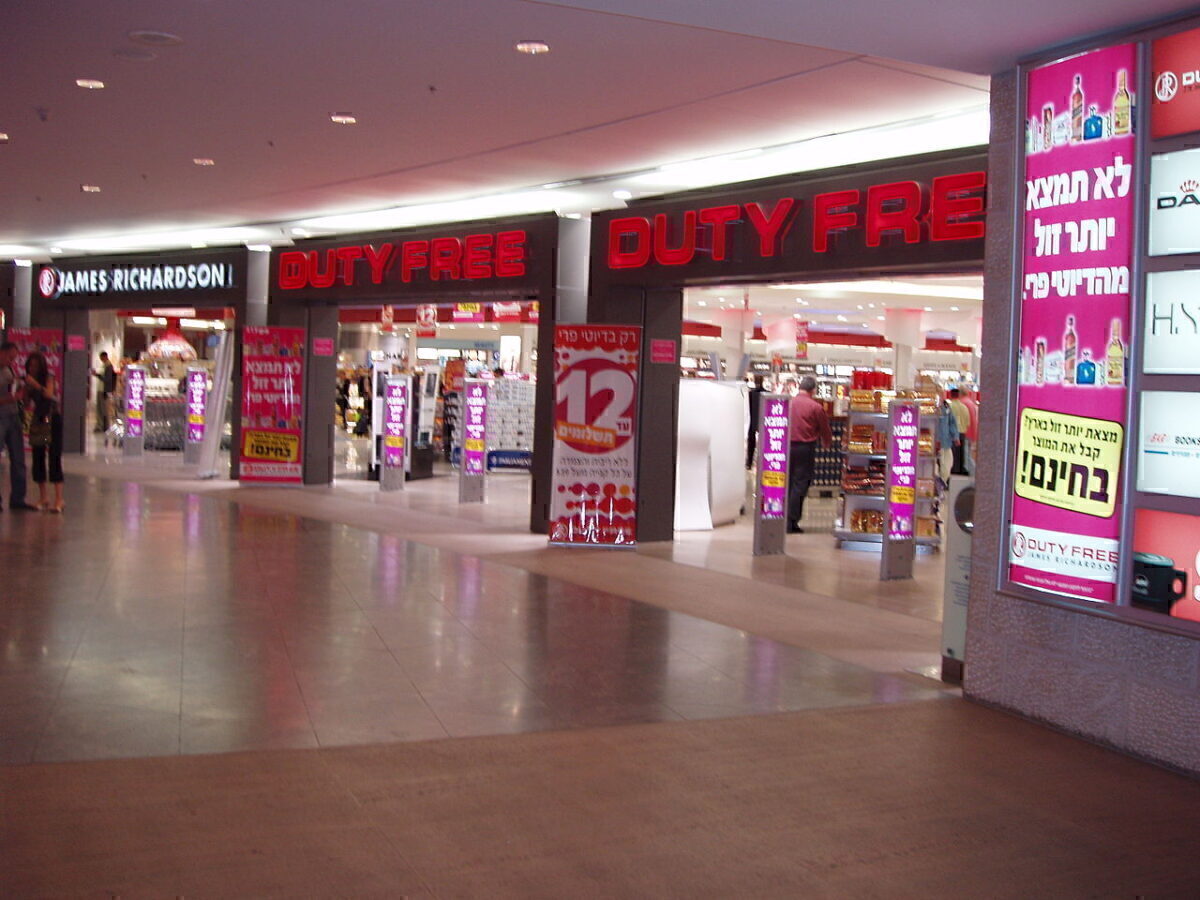
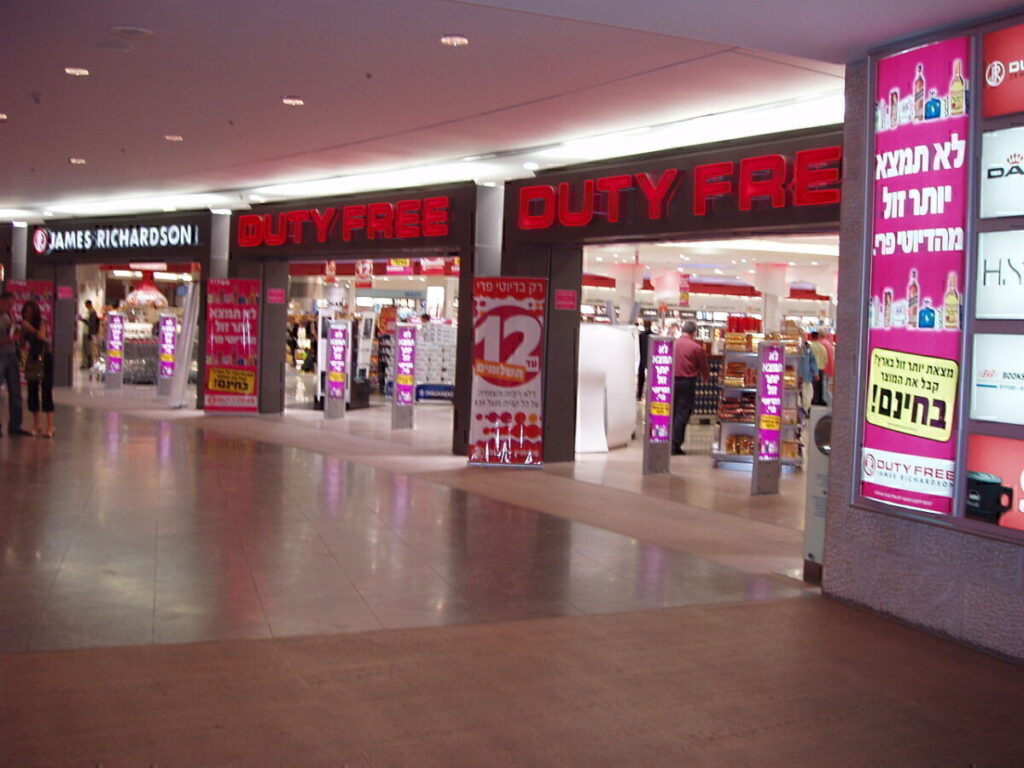
Duty-free shops are most commonly found in international airports, seaports, and on cruise ships. They are also sometimes located at border crossings between countries. These locations are strategically chosen because they cater to travelers who are in the process of crossing international borders. The presence of these shops allows travelers to purchase goods without incurring the usual import taxes.
- Airports: The most common location for duty-free shopping, offering a wide range of products.
- Seaports: Similar to airports, but catering to cruise passengers and ferry travelers.
- Cruise Ships: Often feature duty-free shops with exclusive deals for passengers.
- Border Crossings: Less common, but sometimes available at land borders between countries.
What Products Are Typically Available Duty-Free?
The selection of products available in duty-free shops can vary depending on the location and the specific retailer. However, some categories are consistently popular and widely available:
- Alcohol: Spirits, wines, and beers are frequently offered at duty-free prices.
- Tobacco: Cigarettes, cigars, and other tobacco products are also common.
- Perfume and Cosmetics: Popular brands of fragrances, makeup, and skincare products.
- Luxury Goods: Designer handbags, watches, and jewelry are often available.
- Confectionery: Chocolate, candies, and other sweets.
- Electronics: Sometimes available, but prices may not always be significantly lower.
It’s important to compare prices with retailers outside the duty-free zone to ensure you’re actually getting a good deal. [See also: Comparing Duty-Free Prices]
Is Duty-Free Always Cheaper?
While the absence of import duties can make duty-free goods cheaper, this isn’t always the case. Several factors can influence the final price:
- Retailer Markups: Duty-free shops still need to make a profit, and they may inflate prices to compensate for the lack of taxes.
- Currency Exchange Rates: Fluctuations in exchange rates can affect the relative cost of goods.
- Local Taxes: While import duties are waived, other local taxes may still apply.
- Promotions and Discounts: Regular retail stores often offer promotions and discounts that can match or even beat duty-free prices.
Therefore, it’s essential to do your research and compare prices before making a purchase. A quick online search can often reveal whether a similar product is available for less elsewhere. Don’t assume that duty-free automatically equals cheaper.
Understanding Duty-Free Allowances
When returning to your home country, you are typically allowed to bring back a certain amount of goods without paying import duties. This is known as your duty-free allowance. The specific limits vary depending on your country of residence and the country you are entering from.
Exceeding your duty-free allowance means you’ll be required to declare the excess goods and pay the applicable duties and taxes. Failure to declare can result in fines, penalties, and even the confiscation of your goods. It’s crucial to familiarize yourself with the duty-free allowance rules for your destination before you travel. [See also: International Travel Regulations]
How to Find Your Duty-Free Allowance
The easiest way to find your duty-free allowance is to consult the official website of your country’s customs agency. These websites typically provide detailed information on the allowable quantities and values for various types of goods. You can also find information at the customs desks in airports and seaports. Remember, it is always better to be safe than sorry and verify your allowances before making purchases.
Tips for Smart Duty-Free Shopping
To maximize your duty-free shopping experience and avoid potential pitfalls, consider these tips:
- Do Your Research: Compare prices online and in local stores before you travel to get a sense of the average cost of the items you’re interested in.
- Know Your Allowances: Familiarize yourself with the duty-free allowances for your destination country to avoid paying duties on your return.
- Be Aware of Restrictions: Some countries have restrictions on certain items, such as agricultural products or endangered species.
- Check Expiration Dates: For perishable goods like food and cosmetics, check the expiration dates to ensure they are still valid.
- Keep Your Receipts: Retain your purchase receipts as proof of purchase for customs officials.
- Consider the Convenience: Sometimes, the convenience of duty-free shopping outweighs a small price difference.
The Future of Duty-Free Shopping
The duty-free industry is constantly evolving to meet the changing needs of travelers. With the rise of e-commerce and online shopping, duty-free retailers are increasingly offering online pre-order options, allowing travelers to browse and purchase goods in advance and pick them up at the airport or seaport. This combines the convenience of online shopping with the tax benefits of duty-free. The future of duty-free shopping is likely to involve more technology and personalized experiences to cater to the diverse needs of global travelers. [See also: The Evolution of Retail]
Conclusion
Duty-free shopping can be a great way to save money on certain goods, but it’s essential to approach it with a critical eye. By understanding the basics of duty-free, knowing your allowances, and doing your research, you can make informed decisions and avoid potential surprises. Remember, the key to successful duty-free shopping is to be an informed and savvy consumer.
