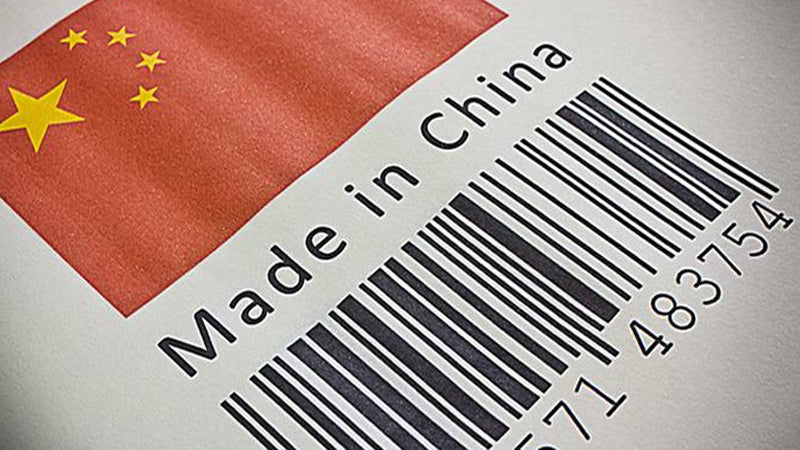
Why Are Most Things Made in China? Understanding Global Manufacturing Dominance
Ever wondered why are most things made in China? From the electronics in your pocket to the clothes on your back and the toys your children play with, a significant portion of consumer goods worldwide originates from China. This isn’t a recent phenomenon, but rather the culmination of decades of strategic economic policies, infrastructural development, and a vast, adaptable workforce. Understanding the reasons behind China’s dominance in global manufacturing requires a look at its history, economics, and evolving role in the world.
The Rise of China as a Manufacturing Powerhouse
China’s transformation into the world’s factory began in the late 20th century with the implementation of economic reforms under Deng Xiaoping. These reforms, initiated in 1978, shifted China from a centrally planned economy to a more market-oriented one. This opened the door to foreign investment and international trade, laying the foundation for its manufacturing boom.
Economic Reforms and Open Door Policy
The “Open Door Policy” was crucial. It allowed foreign companies to invest in China, bringing with them capital, technology, and management expertise. Special Economic Zones (SEZs) were established, offering tax incentives and reduced regulations to attract foreign investment. These zones became hubs of manufacturing activity, driving economic growth and creating countless jobs.
Abundant and Affordable Labor Force
One of the initial key advantages why are most things made in China was its vast and relatively inexpensive labor force. Companies could significantly reduce production costs by manufacturing in China compared to developed countries. This labor cost advantage, coupled with increasing productivity, made China an attractive destination for manufacturers across various industries.
Investment in Infrastructure
The Chinese government made substantial investments in infrastructure, including ports, roads, railways, and power grids. This infrastructure development facilitated the efficient movement of goods and raw materials, further enhancing China’s attractiveness as a manufacturing hub. These investments reduced logistical bottlenecks and improved the overall efficiency of supply chains.
Competitive Advantages of Manufacturing in China
Several factors contribute to China’s enduring competitive advantage in manufacturing. These include cost efficiency, scalability, and a well-established supply chain ecosystem.
Cost Efficiency and Economies of Scale
Manufacturing in China allows companies to achieve significant economies of scale. The sheer volume of production enables them to spread fixed costs over a larger output, reducing the per-unit cost of goods. This cost advantage is particularly important for industries with high production volumes, such as electronics, textiles, and toys. This is a primary reason why are most things made in China.
Established Supply Chain Ecosystem
China has developed a comprehensive and highly efficient supply chain ecosystem. This ecosystem includes suppliers of raw materials, components, and packaging, as well as logistics providers and distribution networks. This interconnectedness reduces lead times, lowers transportation costs, and improves overall supply chain resilience. The efficiency of this ecosystem is a major draw for manufacturers.
Government Support and Incentives
The Chinese government continues to provide support and incentives to the manufacturing sector. These include tax breaks, subsidies, and preferential access to resources. This support helps Chinese manufacturers remain competitive in the global market and encourages further investment in the sector. These incentives are designed to maintain China’s position as a global manufacturing leader. The government’s role is a key factor in why are most things made in China.
Industries Dominated by Chinese Manufacturing
China dominates manufacturing in a wide range of industries. Some of the most prominent include electronics, textiles, apparel, and consumer goods.
Electronics Manufacturing
China is the world’s largest producer of electronics, including smartphones, computers, and televisions. Many of the world’s leading electronics brands rely on Chinese manufacturers for production. The concentration of electronics manufacturing in China has created a highly skilled workforce and a sophisticated supply chain for the industry. The sheer scale of electronics manufacturing is a significant part of why are most things made in China.
Textiles and Apparel
The textile and apparel industry was one of the first sectors to move production to China. The country’s large and relatively inexpensive labor force made it an ideal location for mass production of clothing and other textile products. While labor costs have increased in recent years, China remains a major player in the global textile and apparel market.
Consumer Goods
China is a major producer of a wide variety of consumer goods, including toys, furniture, and household products. The country’s manufacturing capabilities and cost advantages make it an attractive location for companies producing these goods. This includes everything from plastic goods to metal products, contributing heavily to why are most things made in China.
Challenges and Criticisms of Chinese Manufacturing
Despite its success, Chinese manufacturing faces several challenges and criticisms. These include concerns about labor practices, environmental impact, and intellectual property protection.
Labor Practices and Working Conditions
Concerns have been raised about labor practices and working conditions in some Chinese factories. These concerns include low wages, long hours, and unsafe working environments. While efforts have been made to improve labor standards, challenges remain in ensuring that all factories comply with international norms.
Environmental Impact
Manufacturing in China has had a significant environmental impact. The country’s rapid industrialization has led to air and water pollution, as well as increased greenhouse gas emissions. The Chinese government has taken steps to address these environmental issues, but significant challenges remain. The environmental impact is an unfortunate consequence of why are most things made in China on such a large scale.
Intellectual Property Protection
Intellectual property protection has been a long-standing concern for foreign companies operating in China. Counterfeiting and intellectual property theft have been widespread, costing companies billions of dollars. The Chinese government has taken steps to improve intellectual property protection, but challenges remain in enforcing these laws effectively.
The Future of Manufacturing in China
The future of manufacturing in China is likely to be shaped by several factors, including rising labor costs, technological advancements, and geopolitical considerations.
Rising Labor Costs and Automation
Labor costs in China have been rising in recent years, reducing its cost advantage in manufacturing. This has led some companies to consider moving production to other countries with lower labor costs. However, China is also investing heavily in automation and robotics, which could help offset rising labor costs and maintain its competitiveness. The shift towards automation will influence why are most things made in China in the coming years.
Technological Advancements and Innovation
China is increasingly focused on technological advancements and innovation. The government is investing heavily in research and development, and Chinese companies are becoming more innovative. This shift towards higher-value manufacturing could help China maintain its competitive edge in the long term. The focus on innovation is a strategic move to ensure China’s continued dominance.
Geopolitical Considerations and Trade Tensions
Geopolitical considerations and trade tensions, such as the trade war between the United States and China, could also impact the future of manufacturing in China. These tensions could lead to increased tariffs and other trade barriers, making it more expensive for companies to manufacture in China and export to other countries. This is a critical factor that influences why are most things made in China.
Alternative Manufacturing Hubs
As labor costs rise and geopolitical tensions persist, companies are exploring alternative manufacturing hubs. Countries like Vietnam, India, and Mexico are emerging as viable alternatives.
Vietnam
Vietnam has become an increasingly attractive destination for manufacturers due to its lower labor costs and strategic location. The country has also made significant investments in infrastructure and has a stable political environment. [See also: Vietnam’s Manufacturing Boom]
India
India offers a large and relatively inexpensive labor force, as well as a growing domestic market. The Indian government has also implemented policies to attract foreign investment and promote manufacturing. [See also: Make in India Initiative]
Mexico
Mexico’s proximity to the United States and its participation in free trade agreements make it an attractive option for companies seeking to manufacture goods for the North American market. [See also: Nearshoring to Mexico]
Conclusion
Why are most things made in China? The answer lies in a combination of historical factors, economic policies, and strategic investments. China’s rise as a manufacturing powerhouse is a testament to its ability to adapt to changing global market conditions. While challenges and criticisms persist, China remains a dominant force in global manufacturing. As the global landscape evolves, China will need to continue to innovate and adapt to maintain its competitive edge. The reasons why are most things made in China continue to evolve, but its impact on the global economy is undeniable. The future of manufacturing will likely see a more diversified landscape, but China’s role will remain significant for the foreseeable future. The history and future of global manufacturing depend on understanding why are most things made in China.
