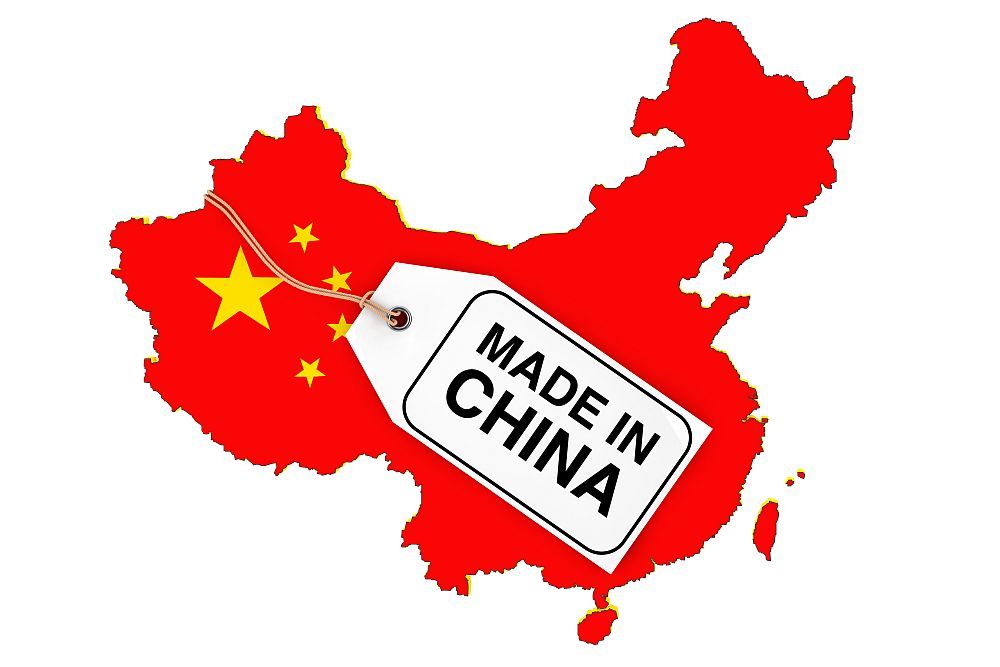
Why Are Most Things Made in China? Unraveling Global Manufacturing Dominance
Walk into any store, and you’re likely to find a significant portion of the products bearing the label “Made in China.” From electronics and clothing to toys and household goods, China’s dominance in global manufacturing is undeniable. But why are most things made in China? The answer is a complex interplay of economic policies, infrastructure development, a vast labor force, and a strategic focus on manufacturing that has evolved over decades.
The Rise of China as a Manufacturing Powerhouse
China’s journey to becoming the world’s factory began in the late 20th century with the implementation of economic reforms under Deng Xiaoping. These reforms, initiated in 1978, shifted the country from a centrally planned economy to a socialist market economy. This transition opened China to foreign investment and trade, laying the groundwork for its future manufacturing prowess. The question of why are most things made in China can be traced directly back to these pivotal economic shifts.
Economic Reforms and Open Door Policy
The “Open Door Policy” encouraged foreign companies to invest in China, bringing with them capital, technology, and management expertise. Special Economic Zones (SEZs) were established, offering tax incentives and other benefits to attract foreign investment. These zones became hubs of manufacturing activity, driving economic growth and creating jobs.
Joining the World Trade Organization (WTO)
China’s accession to the WTO in 2001 was a game-changer. It provided China with greater access to global markets and further integrated it into the international trading system. This move significantly boosted China’s exports and solidified its position as a major manufacturing center. Understanding why are most things made in China requires acknowledging the crucial role of WTO membership.
Key Factors Contributing to China’s Manufacturing Dominance
Several factors have contributed to China’s success as a manufacturing hub. These include cost advantages, infrastructure, a skilled labor force, and government support.
Cost Advantages: Labor and Materials
One of the primary reasons why are most things made in China is the lower cost of labor. For many years, China offered a significantly cheaper labor force compared to developed countries. While labor costs have been rising in recent years, they still remain competitive in many sectors. Additionally, China has abundant access to raw materials and well-established supply chains, further reducing production costs.
Advanced Infrastructure
China has invested heavily in infrastructure development, including ports, highways, railways, and airports. This robust infrastructure facilitates the efficient movement of goods, making it easier and cheaper to manufacture and export products. The scale and quality of China’s infrastructure are critical in understanding why are most things made in China.
Skilled and Adaptable Labor Force
China boasts a large and increasingly skilled labor force. While initially focused on low-skilled manufacturing, China has been investing in education and training to upskill its workforce. This has allowed China to move up the value chain, producing more sophisticated and technologically advanced products. The adaptability of the Chinese workforce contributes significantly to why are most things made in China.
Government Support and Industrial Policies
The Chinese government has played a crucial role in supporting the manufacturing sector through various industrial policies, subsidies, and tax incentives. These policies have helped to create a favorable environment for manufacturers, both domestic and foreign. Government support is a key element in explaining why are most things made in China.
The Impact of “Made in China” on the Global Economy
China’s dominance in manufacturing has had a profound impact on the global economy. It has led to lower prices for consumers, increased trade flows, and the rise of global supply chains. However, it has also raised concerns about trade imbalances, intellectual property rights, and labor standards.
Benefits for Consumers
One of the most significant benefits of China’s manufacturing prowess is lower prices for consumers. The cost advantages of manufacturing in China have allowed companies to produce goods at a lower cost, which is then passed on to consumers in the form of lower prices. This is a direct consequence of why are most things made in China.
Global Supply Chains
China has become a central node in global supply chains. Many companies rely on Chinese manufacturers to produce components or finished goods. This has created complex and interconnected supply chains that span the globe. [See also: The Future of Global Supply Chains] Understanding these supply chains is crucial to understanding why are most things made in China.
Concerns and Challenges
Despite the benefits, China’s manufacturing dominance has also raised concerns. These include:
- Trade Imbalances: China’s large trade surplus with many countries has led to trade tensions and calls for fairer trade practices.
- Intellectual Property Rights: Concerns about intellectual property theft and counterfeiting remain a challenge for foreign companies operating in China.
- Labor Standards: While labor standards have improved over time, concerns about working conditions and wages persist in some sectors.
The Future of Manufacturing in China
The future of manufacturing in China is uncertain. Rising labor costs, increasing automation, and geopolitical tensions are all factors that could reshape the global manufacturing landscape. While China’s dominance is likely to continue in the near term, other countries, such as Vietnam, India, and Mexico, are emerging as alternative manufacturing locations.
Automation and Technological Advancements
China is investing heavily in automation and advanced manufacturing technologies. This will likely lead to increased productivity and a shift towards higher-value manufacturing. Automation may also reduce the reliance on low-cost labor, potentially impacting why are most things made in China.
Shifting Geopolitical Landscape
Geopolitical tensions, particularly between the United States and China, are creating uncertainty for manufacturers. Some companies are considering diversifying their supply chains to reduce their reliance on China. [See also: The Impact of US-China Trade Relations] These shifts could impact why are most things made in China in the long run.
The Rise of Alternative Manufacturing Locations
As labor costs rise in China, other countries are becoming more attractive as manufacturing locations. Vietnam, India, and Mexico offer lower labor costs and are investing in infrastructure to attract foreign investment. The emergence of these alternative locations could gradually reduce China’s dominance in manufacturing.
Conclusion: Understanding China’s Manufacturing Prowess
In conclusion, the question of why are most things made in China is answered by a combination of historical factors, economic policies, infrastructure development, a vast labor force, and government support. China’s rise as a manufacturing powerhouse has transformed the global economy, offering benefits to consumers and creating complex global supply chains. While challenges and uncertainties remain, China is likely to remain a major player in global manufacturing for the foreseeable future. Understanding the factors that have contributed to China’s success is crucial for businesses, policymakers, and consumers alike. The dominance of “Made in China” is a testament to the country’s strategic focus on manufacturing and its ability to adapt to changing global conditions. Even with rising costs and geopolitical shifts, the established infrastructure and vast ecosystem make moving manufacturing entirely out of China a complex and often impractical endeavor for many businesses. Therefore, the answer to why are most things made in China is, in essence, a story of strategic planning, diligent execution, and a relentless pursuit of economic growth.
