Why Are Most Things Made in China? Unraveling the Global Manufacturing Hub
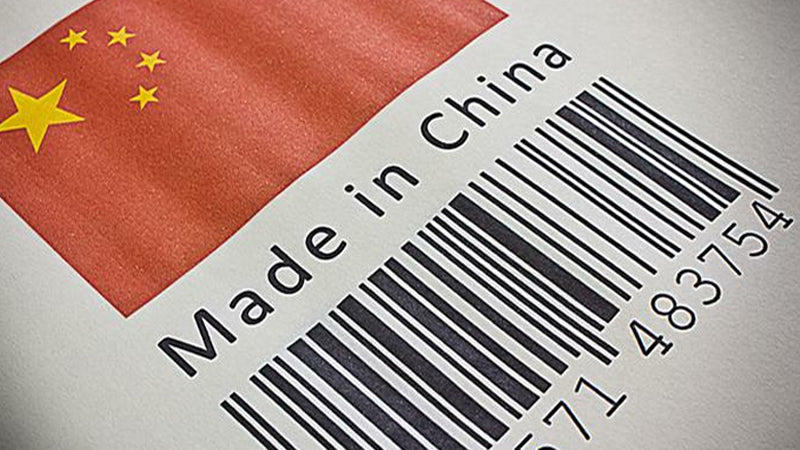
Ever wondered why the label ‘Made in China’ seems ubiquitous, adorning everything from your smartphone to your holiday decorations? The dominance of China as the world’s manufacturing hub is a complex phenomenon rooted in economic policy, strategic investment, and a relentless pursuit of efficiency. Understanding why are most things made in China requires a deep dive into the historical context, economic drivers, and the intricate global supply chains that have shaped the modern world.
The Historical Roots of China’s Manufacturing Prowess
China’s journey to becoming the world’s factory began with economic reforms initiated in the late 1970s under Deng Xiaoping. These reforms shifted China from a centrally planned economy to a socialist market economy, opening the door to foreign investment and international trade. Special Economic Zones (SEZs) were established, offering tax incentives and relaxed regulations to attract foreign companies. This strategic move laid the foundation for China’s manufacturing boom.
Before these reforms, China’s economy was largely agrarian. The shift towards manufacturing was a deliberate policy choice aimed at lifting millions out of poverty and propelling the nation onto the global stage. The SEZs became magnets for foreign direct investment (FDI), bringing in capital, technology, and management expertise. These zones served as incubators for manufacturing industries, allowing China to rapidly develop its production capabilities.
The Lure of Lower Costs: Labor and Beyond
One of the primary reasons why are most things made in China is the lower cost of labor. For decades, China offered a vast and relatively inexpensive workforce, making it an attractive destination for companies seeking to reduce production expenses. While labor costs have risen in recent years, China still maintains a cost advantage in many industries due to its scale and efficiency.
However, the cost advantage extends beyond just labor. China has invested heavily in infrastructure, including ports, roads, and railways, facilitating the efficient movement of goods. This robust infrastructure reduces transportation costs and streamlines supply chains. Furthermore, China’s government has actively supported its manufacturing sector through subsidies and tax breaks, creating a favorable business environment.
The Role of Supply Chain Ecosystems
China has developed sophisticated supply chain ecosystems that are difficult to replicate elsewhere. These ecosystems consist of clusters of specialized suppliers, manufacturers, and logistics providers, all working in close proximity. This concentration of expertise and resources allows for faster production times, lower transaction costs, and greater flexibility in responding to changing market demands. Companies can source components, assemble products, and ship them globally, all within a relatively small geographic area.
This integrated approach makes it easier and cheaper for companies to manage their supply chains. The proximity of suppliers reduces lead times and minimizes the risk of disruptions. The availability of skilled labor and specialized equipment further enhances efficiency. The result is a highly competitive manufacturing environment that attracts companies from around the world. Understanding why are most things made in China also means appreciating the intricate web of interconnected businesses that support the manufacturing process.
The Impact of Government Policies and Trade Agreements
Government policies have played a crucial role in shaping China’s manufacturing landscape. The government has actively promoted exports through various incentives, including tax rebates and export subsidies. It has also invested heavily in research and development, fostering innovation and technological advancement. These policies have helped Chinese manufacturers to compete effectively in the global market.
China’s accession to the World Trade Organization (WTO) in 2001 further accelerated its integration into the global economy. WTO membership granted China access to international markets and lowered trade barriers, making it easier for Chinese manufacturers to export their products. This also created a more predictable and stable trading environment, encouraging foreign investment and facilitating the growth of China’s manufacturing sector. The question of why are most things made in China is, in part, an answer to the effects of global trade agreements.
The Rise of Technology and Innovation
While China initially gained prominence as a low-cost manufacturing hub, it has increasingly focused on technology and innovation. The government has invested heavily in research and development, particularly in areas such as artificial intelligence, robotics, and renewable energy. This has led to the emergence of Chinese companies that are at the forefront of technological innovation. [See also: China’s Technological Advancements]
The shift towards higher-value manufacturing is evident in the growing number of Chinese companies that are producing sophisticated products, such as smartphones, electric vehicles, and advanced medical equipment. These companies are competing with established players in developed countries, demonstrating China’s growing technological capabilities. This evolution is critical to understanding why are most things made in China, as it’s no longer solely about cheap labor.
Challenges and Future Prospects
Despite its success, China’s manufacturing sector faces several challenges. Rising labor costs, increasing environmental regulations, and growing trade tensions with other countries are all posing challenges to China’s dominance. The US-China trade war, in particular, has disrupted global supply chains and forced companies to re-evaluate their sourcing strategies. The question of why are most things made in China is now being asked alongside questions of geopolitical risk.
Looking ahead, China is likely to continue to be a major manufacturing hub, but its role may evolve. The country is increasingly focusing on automation and advanced manufacturing technologies to improve productivity and reduce its reliance on low-cost labor. It is also seeking to diversify its economy and reduce its dependence on exports. The future of manufacturing in China will depend on its ability to adapt to these challenges and capitalize on new opportunities.
Furthermore, the COVID-19 pandemic exposed vulnerabilities in global supply chains, prompting some companies to consider reshoring or nearshoring production. This trend could potentially reduce China’s share of global manufacturing, although it is unlikely to displace China as the world’s leading manufacturing hub. The complexity of global supply chains makes it difficult for companies to shift production quickly or easily. Understanding why are most things made in China also involves acknowledging the inertia and established infrastructure that keeps production there.
The Consumer Perspective
From a consumer perspective, the prevalence of ‘Made in China’ products often raises questions about quality, ethics, and sustainability. While some Chinese-made products have been associated with poor quality or safety issues, many others are of high quality and meet international standards. Chinese manufacturers are increasingly focusing on quality control and product safety to meet the demands of global markets.
Ethical concerns related to labor practices and environmental sustainability are also important considerations. Consumers are increasingly demanding transparency and accountability from companies regarding their supply chains. Companies that source products from China need to ensure that their suppliers adhere to ethical labor standards and environmental regulations. The debate over why are most things made in China often includes discussions about ethical sourcing and sustainable practices.
Ultimately, the dominance of China as the world’s manufacturing hub is a reflection of its economic policies, strategic investments, and its ability to adapt to changing global conditions. While challenges remain, China is likely to continue to play a significant role in global manufacturing for the foreseeable future. Understanding the factors that have contributed to China’s success is essential for businesses, policymakers, and consumers alike.
In conclusion, the answer to why are most things made in China is multi-faceted, encompassing historical economic reforms, lower labor costs, robust infrastructure, supportive government policies, and the development of sophisticated supply chain ecosystems. While challenges exist, China’s manufacturing prowess remains a significant force in the global economy.
