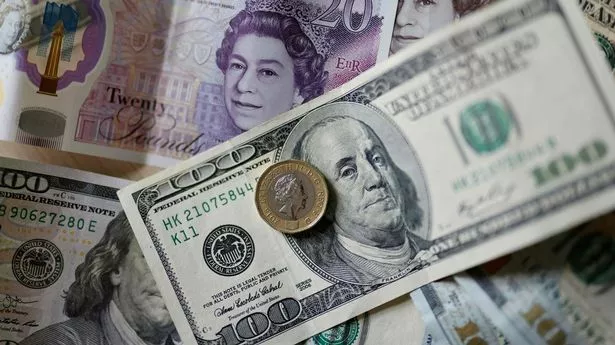
Why Has the Pound Dropped? Understanding the Factors Behind Sterling’s Weakness
The recent volatility of the British pound (GBP), often referred to as Sterling, has captured global attention. A significant question arises: why has the pound dropped? This article delves into the multifaceted reasons behind the pound’s depreciation, analyzing economic indicators, political events, and global market trends that contribute to its fluctuating value. Understanding these factors is crucial for investors, businesses, and anyone following the UK economy.
Economic Uncertainty and the UK’s Economic Performance
One of the primary drivers behind the pound’s weakness is the prevailing economic uncertainty surrounding the UK. Several key economic indicators paint a concerning picture. Inflation, while showing signs of slowing, remains stubbornly high compared to other developed economies. This persistent inflation erodes purchasing power and creates pressure on the Bank of England to maintain high interest rates, which can stifle economic growth.
Furthermore, the UK’s GDP growth has been sluggish. Frequent revisions of growth forecasts reflect the difficulty in predicting the economy’s trajectory. Factors such as supply chain disruptions, labor shortages, and the ongoing impact of Brexit have all contributed to this economic slowdown. The Office for National Statistics (ONS) data consistently reveals a challenging economic landscape, adding to investor anxiety and contributing to the decline in the pound’s value.
Impact of Brexit on the Pound
Brexit continues to cast a long shadow over the UK economy and, consequently, the pound. The UK’s departure from the European Union has introduced new trade barriers, increased bureaucratic hurdles, and created uncertainty about the future of key industries. The initial shock of the referendum result in 2016 triggered a sharp decline in the pound, and the subsequent implementation of Brexit has sustained downward pressure.
Trade deals negotiated post-Brexit have yet to fully compensate for the loss of frictionless trade with the EU. Certain sectors, such as fishing and agriculture, have been particularly affected by the new trade arrangements. Moreover, the divergence in regulatory standards between the UK and the EU adds complexity and costs for businesses, further dampening economic activity and weighing on the pound. Ongoing debates about the Northern Ireland Protocol also contribute to political and economic instability, impacting investor confidence.
Monetary Policy and Interest Rate Decisions
The Bank of England’s monetary policy decisions play a crucial role in determining the pound’s value. The central bank’s primary mandate is to maintain price stability, typically through adjusting interest rates. When inflation rises, the Bank of England often raises interest rates to cool down the economy. However, raising interest rates too aggressively can lead to a recession. The balancing act between controlling inflation and supporting economic growth is a constant challenge for policymakers.
In recent times, the Bank of England has been raising interest rates to combat inflation. However, the pace and magnitude of these rate hikes have been subject to debate. Some analysts argue that the Bank has been too slow to act, allowing inflation to become entrenched. Others worry that rapid rate increases could trigger a sharp economic downturn. This uncertainty surrounding the Bank of England’s policy path adds to the volatility of the pound. The market closely watches the Monetary Policy Committee (MPC) meetings for clues about future interest rate moves.
Global Economic Factors and Geopolitical Risks
The pound’s performance is not solely determined by domestic factors. Global economic trends and geopolitical risks also play a significant role. For example, the strength of the US dollar often has an inverse relationship with the pound. When the dollar strengthens, as it has done recently due to rising US interest rates and its safe-haven status, the pound tends to weaken. This is because investors often flock to the dollar during times of global uncertainty.
Geopolitical events, such as the war in Ukraine, also impact the pound. The conflict has led to higher energy prices, supply chain disruptions, and increased risk aversion among investors. As a result, investors may seek safer assets, such as the US dollar or gold, further weakening the pound. The UK’s close proximity to Europe makes it particularly vulnerable to the economic fallout from geopolitical tensions in the region. These external factors are important to consider when evaluating why has the pound dropped.
Market Sentiment and Investor Confidence
Market sentiment and investor confidence are intangible but powerful forces that can significantly influence the pound’s value. Negative news headlines, pessimistic economic forecasts, and political instability can all erode investor confidence and lead to a sell-off of the pound. Conversely, positive developments, such as strong economic data or a resolution to political uncertainty, can boost investor sentiment and strengthen the pound.
Social media and online trading platforms have amplified the impact of market sentiment. News and rumors can spread rapidly, triggering swift market reactions. Algorithmic trading, which uses computer programs to execute trades based on predefined criteria, can also exacerbate volatility. Therefore, understanding market psychology is crucial for anyone trading or investing in the pound. [See also: Impact of Global Events on Currency Exchange Rates]
The Impact of Fiscal Policy
Government fiscal policy, which involves decisions about taxation and spending, also affects the value of the pound. Large budget deficits, for example, can raise concerns about the government’s ability to repay its debts, leading to a decline in investor confidence and a weaker pound. Conversely, fiscal austerity measures, such as tax increases or spending cuts, can improve the government’s fiscal position and potentially strengthen the pound.
Recent fiscal policy decisions in the UK have been met with mixed reactions from the market. The government’s attempts to stimulate economic growth through tax cuts have been criticized for potentially fueling inflation and increasing the national debt. This has added to the uncertainty surrounding the UK’s economic outlook and contributed to the pound’s weakness. Sound fiscal management is essential for maintaining investor confidence and supporting the pound’s value.
The Role of Speculation
Currency markets are highly liquid and attract a significant amount of speculative trading. Speculators, such as hedge funds and institutional investors, buy and sell currencies with the aim of profiting from short-term price movements. While speculation can provide liquidity to the market, it can also amplify volatility and contribute to the pound’s fluctuations.
Large speculative positions against the pound can put downward pressure on its value. These positions are often based on expectations of further economic weakness or political instability. However, speculative positions can also be reversed quickly if market sentiment changes, leading to sharp swings in the pound’s value. Monitoring speculative activity is important for understanding the drivers behind currency movements. [See also: How Central Banks Influence Currency Values]
Future Outlook for the Pound
The future outlook for the pound remains uncertain. Several factors will likely influence its performance in the coming months and years. These include the trajectory of inflation, the Bank of England’s monetary policy decisions, the ongoing impact of Brexit, and global economic trends. A resolution to the war in Ukraine and a stabilization of global energy prices could provide some relief for the pound.
However, persistent economic challenges and political uncertainty could continue to weigh on its value. Investors will be closely watching key economic indicators, such as GDP growth, inflation, and unemployment, for clues about the UK’s economic health. Ultimately, the pound’s future performance will depend on the UK’s ability to navigate these challenges and restore investor confidence. Understanding why has the pound dropped is vital for predicting its future trajectory. The question of why has the pound dropped continues to be a central concern for economic observers.
In conclusion, the depreciation of the pound is a complex issue driven by a combination of economic, political, and global factors. Economic uncertainty, the ongoing impact of Brexit, monetary policy decisions, global economic trends, market sentiment, fiscal policy, and speculation all play a role. Understanding these factors is crucial for investors, businesses, and anyone following the UK economy. The question of why has the pound dropped is a multifaceted one, demanding careful analysis and consideration of various influencing forces. The continued weakness of the pound raises concerns and highlights the need for effective policies to restore economic stability and investor confidence. The question of why has the pound dropped remains a key concern for economists and policymakers alike. We must continue to ask why has the pound dropped to fully understand the economic landscape. A thorough understanding of why has the pound dropped is essential for making informed financial decisions. The persistent question of why has the pound dropped underscores the challenges facing the UK economy. Analyzing why has the pound dropped provides valuable insights into global economic trends. Addressing the underlying issues of why has the pound dropped is crucial for long-term economic stability. The ongoing scrutiny of why has the pound dropped reflects the importance of currency valuation in international finance. Exploring why has the pound dropped reveals the interconnectedness of global markets. The need to understand why has the pound dropped is paramount for businesses operating in the UK. The implications of why has the pound dropped extend to consumers and investors alike. Considering why has the pound dropped is essential for informed economic forecasting.
