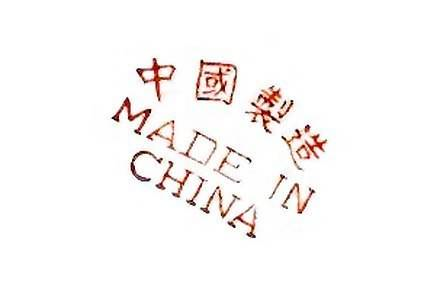
Why Is Everything Made From China? Unraveling Global Manufacturing Dominance
Ever wondered, walking through a store, why is everything made from China? From the simplest plastic trinkets to sophisticated electronics, products bearing the “Made in China” label seem ubiquitous. This isn’t a recent phenomenon; it’s the culmination of decades of strategic economic policies, manufacturing prowess, and global trade dynamics. Understanding the reasons behind China’s dominance in global manufacturing requires a deep dive into its history, infrastructure, cost advantages, and evolving technological capabilities.
Historical Context: The Rise of China’s Manufacturing Sector
The story of China’s manufacturing boom begins with Deng Xiaoping’s economic reforms in the late 1970s. These reforms shifted China from a centrally planned economy to a socialist market economy, opening it up to foreign investment and international trade. Special Economic Zones (SEZs) were established along the coast, offering tax incentives and other benefits to attract foreign companies. This created a fertile ground for manufacturing growth. [See also: The Impact of Special Economic Zones on Global Trade]
Initially, China focused on low-cost manufacturing, leveraging its abundant labor force. As foreign companies invested in factories and transferred technology, China’s manufacturing capabilities gradually improved. The country began to produce more complex goods, moving beyond basic textiles and toys to electronics, machinery, and other higher-value products. The question of why is everything made from China became increasingly relevant as its manufacturing base diversified.
Cost Advantages: Labor, Materials, and Infrastructure
One of the primary reasons why is everything made from China is cost. China’s vast labor pool, even with rising wages in recent years, still offers a significant cost advantage compared to many other countries. Lower labor costs translate directly into lower production costs, making Chinese-made goods more competitive in the global market. Furthermore, China’s government has heavily invested in infrastructure, including ports, roads, and railways, facilitating the efficient movement of goods and materials. This robust infrastructure further reduces transportation costs and streamlines supply chains.
Access to raw materials is another key factor. China has abundant reserves of many essential minerals and metals used in manufacturing. This gives Chinese manufacturers a distinct advantage in terms of material costs and availability. They also benefit from established supply chains and economies of scale, allowing them to procure materials at lower prices than manufacturers in other countries. This competitive advantage contributes significantly to why is everything made from China.
The Role of Government Policies and Subsidies
Government policies and subsidies have played a crucial role in shaping China’s manufacturing landscape. The Chinese government has actively supported key industries through financial incentives, tax breaks, and other forms of assistance. These policies have helped Chinese companies invest in research and development, upgrade their technology, and expand their production capacity. For example, industries like semiconductors and renewable energy have benefited significantly from government support, enabling them to compete globally. These strategic interventions further explain why is everything made from China.
However, these subsidies have also been a source of controversy, with some countries accusing China of unfair trade practices. The World Trade Organization (WTO) has been involved in several disputes related to Chinese subsidies, highlighting the complex relationship between government intervention and international trade. Despite these controversies, government support remains a critical factor in China’s manufacturing success, influencing why is everything made from China.
Supply Chain Efficiency and Specialization
China has developed highly efficient and specialized supply chains that are difficult for other countries to replicate. Over the years, clusters of manufacturers have emerged in specific regions, focusing on particular industries. For example, Shenzhen has become a global hub for electronics manufacturing, while Yiwu is renowned for its small commodities. These clusters foster innovation, collaboration, and economies of scale, making it easier and cheaper to produce goods in China.
The concentration of suppliers, manufacturers, and distributors in these clusters allows for seamless integration of the production process. This reduces lead times, minimizes transportation costs, and enhances responsiveness to changing market demands. The efficiency and specialization of China’s supply chains are major contributors to why is everything made from China. [See also: The Evolution of Global Supply Chains]
Technological Advancements and Innovation
While China initially focused on low-cost manufacturing, it has made significant strides in technological innovation in recent years. The country has invested heavily in research and development, particularly in areas such as artificial intelligence, robotics, and advanced materials. This investment has enabled Chinese manufacturers to produce higher-quality, more sophisticated goods. The shift towards higher-value manufacturing is gradually changing the perception of “Made in China” from a label associated with cheap goods to one associated with quality and innovation.
The rise of Chinese tech companies like Huawei, Xiaomi, and DJI demonstrates the country’s growing technological prowess. These companies are competing with established global brands and are driving innovation in their respective industries. The increasing focus on technological advancement is a key factor in understanding why is everything made from China, as it indicates a move towards more advanced and competitive manufacturing capabilities.
The Impact of Globalization and Trade Agreements
Globalization and trade agreements have played a significant role in facilitating China’s manufacturing dominance. China’s accession to the World Trade Organization (WTO) in 2001 opened up new markets for its goods and provided a framework for international trade. Trade agreements like the Regional Comprehensive Economic Partnership (RCEP) further strengthen China’s position in the global economy. These agreements reduce tariffs, streamline customs procedures, and promote trade between member countries. The effects of these agreements are crucial to understanding why is everything made from China.
However, globalization has also faced criticism, with some arguing that it has led to job losses in developed countries and increased income inequality. The debate over the benefits and drawbacks of globalization continues, but there is no denying its impact on shaping the global manufacturing landscape and contributing to why is everything made from China.
Challenges and Future Trends
Despite its manufacturing dominance, China faces several challenges. Rising labor costs, environmental concerns, and trade tensions with other countries are putting pressure on its manufacturing sector. The Chinese government is responding by promoting automation, investing in green technologies, and seeking to diversify its export markets.
The future of manufacturing in China is likely to be characterized by greater automation, higher value-added products, and a stronger focus on sustainability. The country is aiming to become a leader in advanced manufacturing technologies, such as robotics, artificial intelligence, and additive manufacturing (3D printing). These trends will shape the future of global manufacturing and influence why is everything made from China.
Furthermore, other countries like Vietnam, India, and Mexico are emerging as alternative manufacturing hubs. These countries offer lower labor costs and are attracting foreign investment. However, China’s established infrastructure, skilled workforce, and vast supply chains give it a significant competitive advantage. Whether these emerging economies can challenge China’s dominance remains to be seen, but the global manufacturing landscape is constantly evolving. The question of why is everything made from China might have different answers in the future.
Conclusion: The Complex Web of Global Manufacturing
The reasons why is everything made from China are multifaceted and interconnected. It’s a result of historical economic reforms, cost advantages, government policies, efficient supply chains, technological advancements, and globalization. While challenges remain, China’s manufacturing sector is likely to remain a dominant force in the global economy for the foreseeable future. Understanding the factors that have contributed to its success is essential for businesses, policymakers, and consumers alike. The next time you see a “Made in China” label, remember the complex web of factors that have made it so prevalent.
