Why is Everything Made in China? Unpacking Global Manufacturing
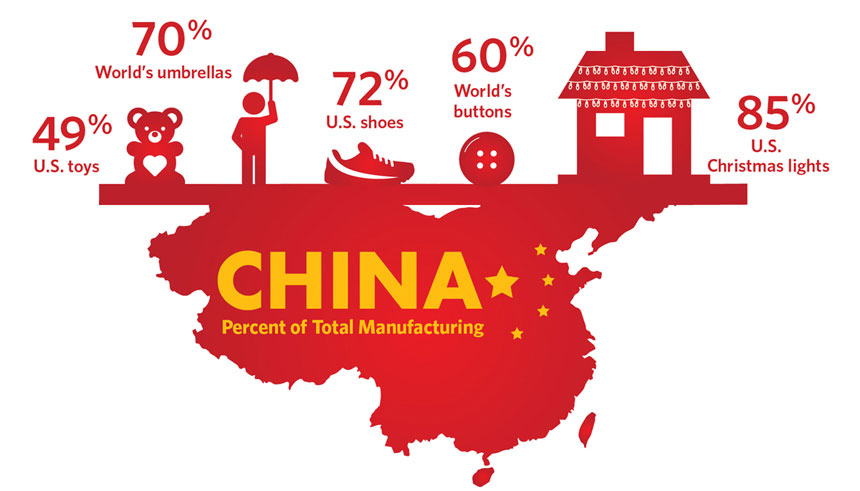
Ever wondered why so many of the products we use daily – from electronics to clothing to toys – bear the label “Made in China”? It’s a question that touches upon global economics, manufacturing history, and the intricate dance of supply and demand. Understanding why everything is made in China requires delving into a complex web of factors that have shaped the world’s manufacturing landscape. This article explores the key reasons behind China’s dominance in global manufacturing, examining its historical context, economic policies, infrastructure advantages, and the future of this manufacturing powerhouse.
A Historical Perspective: China’s Rise to Manufacturing Power
China’s journey to becoming the “world’s factory” wasn’t an overnight success. It’s a story rooted in strategic economic reforms and a shift in global manufacturing trends. Before the late 20th century, China’s economy was largely agrarian and isolated. However, under Deng Xiaoping’s leadership in the late 1970s, China initiated a series of economic reforms known as the “Open Door Policy.” This policy welcomed foreign investment, encouraged private enterprise, and established Special Economic Zones (SEZs) that offered tax incentives and relaxed regulations to attract foreign manufacturers. These SEZs, primarily located along the coast, became hubs for production and export.
The timing of these reforms coincided with a global trend of companies seeking lower labor costs to remain competitive. As wages rose in developed countries, businesses looked to relocate manufacturing to regions with cheaper labor. China, with its vast population and relatively low wages, became an incredibly attractive destination. This combination of internal reforms and external demand fueled China’s rapid industrialization.
The Economic Advantages: Cost, Scale, and Specialization
Several economic factors contribute to China’s manufacturing dominance. The most significant is the lower cost of labor compared to developed nations. While wages in China have been rising in recent years, they still remain competitive, particularly for labor-intensive industries. This cost advantage allows Chinese manufacturers to offer products at lower prices, making them attractive to businesses and consumers worldwide.
Beyond labor costs, China benefits from economies of scale. The sheer size of its manufacturing sector allows companies to produce goods in massive quantities, reducing per-unit costs. This scale also fosters specialization. Specific regions within China have become centers for particular industries, such as electronics in Shenzhen or textiles in Zhejiang. This specialization leads to greater efficiency and expertise within these industries.
Furthermore, the Chinese government has played a crucial role in supporting its manufacturing sector through various policies, including tax incentives, subsidies, and investment in infrastructure. These policies have created a favorable environment for businesses to thrive and expand.
Infrastructure and Logistics: The Backbone of Manufacturing
A robust infrastructure is essential for efficient manufacturing and export. China has invested heavily in its infrastructure, including ports, highways, railways, and airports. These investments have significantly improved the speed and efficiency of transporting goods within China and to international markets. China’s ports are among the busiest in the world, handling a massive volume of cargo each year.
The development of efficient logistics networks has also played a crucial role. China has a well-developed network of trucking companies, freight forwarders, and logistics providers that facilitate the movement of goods from factories to ports and airports. This efficient logistics system ensures that products can be shipped quickly and reliably to customers around the globe. These infrastructural advantages make everything made in China a feasible and profitable venture.
Supply Chain Ecosystem: A Comprehensive Network
China’s manufacturing prowess isn’t just about individual factories; it’s about the entire supply chain ecosystem. Over the years, a comprehensive network of suppliers, manufacturers, and distributors has developed within China. This ecosystem allows companies to source components, materials, and services quickly and efficiently. For example, a company manufacturing electronics in Shenzhen can easily source components from nearby suppliers, reducing lead times and costs.
This integrated supply chain ecosystem is a significant advantage for manufacturers. It allows them to respond quickly to changes in demand, innovate new products, and maintain a competitive edge. The concentration of suppliers and manufacturers in specific regions also fosters collaboration and knowledge sharing, further enhancing efficiency and innovation. The ease of access to resources and components makes everything is made in China a logical choice for many businesses.
The Role of Foreign Investment and Technology Transfer
Foreign investment has been a critical driver of China’s manufacturing growth. Since the implementation of the Open Door Policy, foreign companies have invested heavily in China, bringing with them capital, technology, and management expertise. This foreign investment has helped to modernize China’s manufacturing sector and improve its competitiveness.
In many cases, foreign companies have also transferred technology to their Chinese partners, either through joint ventures or licensing agreements. This technology transfer has allowed Chinese companies to upgrade their production processes and develop new products. While concerns about intellectual property protection remain, the influx of foreign investment and technology has undoubtedly contributed to China’s manufacturing success.
Challenges and Criticisms: Labor Practices and Environmental Concerns
While China’s manufacturing sector has brought significant economic benefits, it has also faced challenges and criticisms. One of the most prominent concerns is labor practices. Historically, some factories in China have been criticized for poor working conditions, low wages, and long hours. While labor laws have been strengthened in recent years, issues such as enforcement and worker rights remain a concern.
Environmental concerns are another significant challenge. Rapid industrialization has led to pollution and environmental degradation in some areas of China. The government has taken steps to address these issues, including implementing stricter environmental regulations and investing in cleaner technologies. However, balancing economic growth with environmental protection remains a major challenge. These issues are often overlooked when considering why everything is made in China.
The Future of Manufacturing in China: Trends and Transformations
The future of manufacturing in China is likely to be shaped by several key trends. One is the increasing automation and adoption of advanced technologies such as robotics, artificial intelligence, and the Internet of Things (IoT). As wages rise, Chinese manufacturers are investing in automation to improve efficiency and reduce labor costs. This shift towards automation will likely lead to a more skilled workforce and higher-value manufacturing.
Another trend is the growing focus on innovation and product development. Chinese companies are increasingly investing in research and development to create their own brands and technologies. This shift from being primarily a manufacturing hub to a center of innovation will be crucial for China’s long-term economic growth.
Finally, the rise of other manufacturing hubs in Southeast Asia and other regions may challenge China’s dominance in some sectors. As wages rise in China, some companies are looking to relocate manufacturing to countries with even lower labor costs. However, China’s established infrastructure, supply chain ecosystem, and skilled workforce will likely ensure that it remains a major manufacturing power for the foreseeable future. The question remains: will everything be made in China forever?
The Impact on Consumers: Affordability vs. Ethical Considerations
The prevalence of “Made in China” products has had a significant impact on consumers worldwide. On one hand, it has made a wide range of goods more affordable, allowing consumers to purchase products that might otherwise be out of reach. This affordability has contributed to higher living standards and increased consumer spending.
On the other hand, the reliance on Chinese manufacturing has raised ethical concerns for some consumers. Issues such as labor practices, environmental impact, and product quality have led some consumers to seek out products made in other countries or by companies with more ethical and sustainable practices. This growing awareness of ethical considerations is influencing consumer purchasing decisions and putting pressure on companies to improve their supply chains.
Conclusion: A Complex and Evolving Landscape
The reasons why everything is made in China are multifaceted and deeply intertwined with global economic trends, historical events, and strategic policy decisions. China’s rise to manufacturing dominance has been driven by a combination of lower labor costs, economies of scale, government support, robust infrastructure, and a comprehensive supply chain ecosystem. While challenges such as labor practices and environmental concerns remain, China is adapting and evolving its manufacturing sector to meet the demands of the future.
Understanding the complexities of China’s manufacturing landscape is crucial for businesses, policymakers, and consumers alike. As the global economy continues to evolve, the role of China in global manufacturing will undoubtedly continue to change. [See also: The Future of Global Supply Chains] [See also: Ethical Manufacturing Practices] [See also: Investing in China: Opportunities and Risks]
