Why is GBP Falling? Understanding the Factors Behind the Pound’s Decline
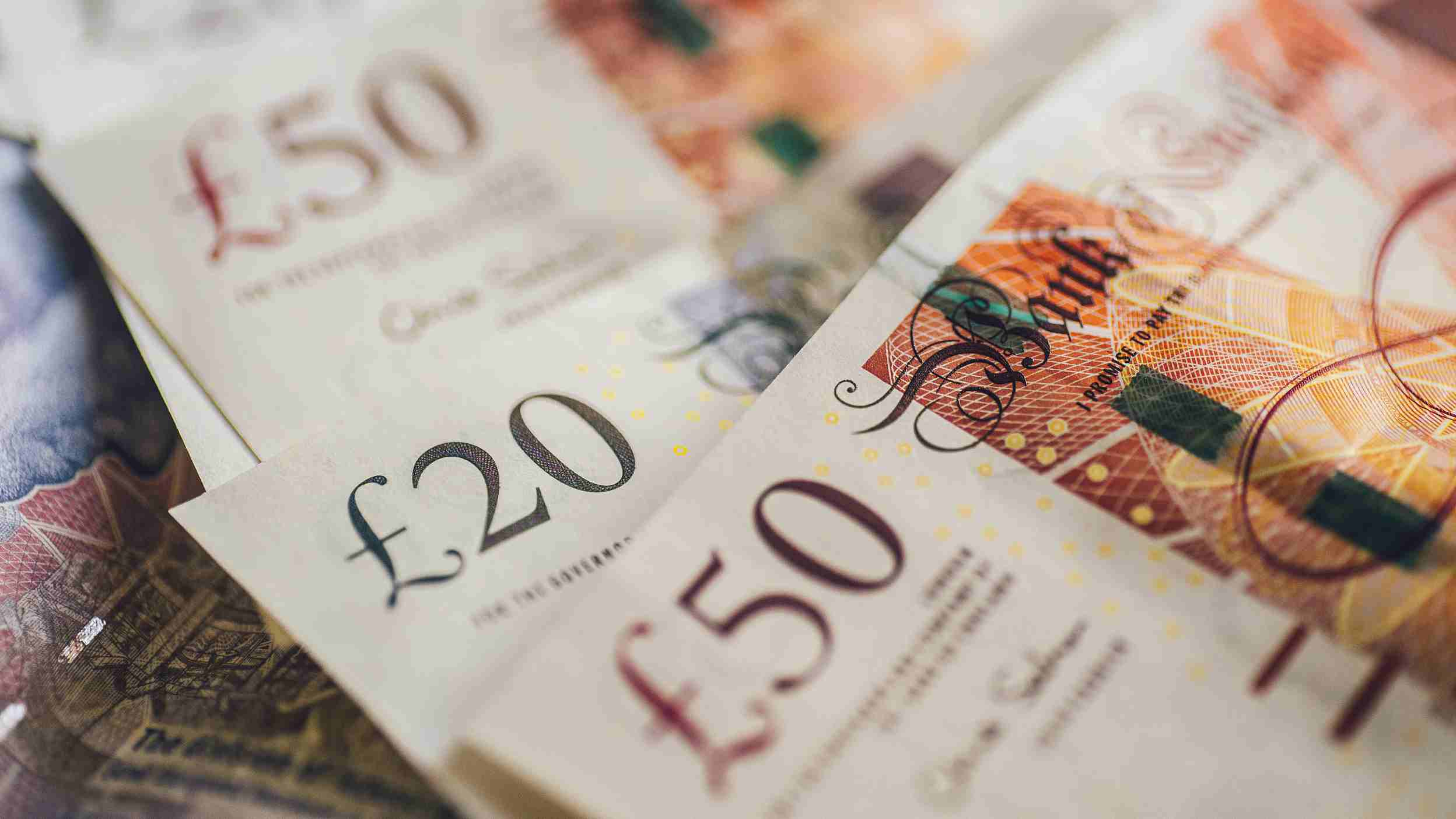
The British Pound (GBP), also known as Sterling, is one of the world’s oldest and most traded currencies. Its value reflects the economic health and political stability of the United Kingdom. Recently, the GBP has experienced significant volatility and a noticeable decline against other major currencies like the US dollar and the Euro. Understanding why is GBP falling requires examining a complex interplay of economic, political, and global factors. This article delves into the key reasons behind the Pound’s recent struggles, offering a comprehensive analysis of the situation.
Economic Performance and Inflation
One of the primary drivers behind the weakening GBP is the UK’s economic performance. The UK economy has faced several challenges, including slower growth, high inflation, and concerns about a potential recession. Inflation, in particular, has been a significant issue. The Bank of England (BoE) has been battling persistently high inflation rates, which have eroded consumer spending and business investment. [See also: UK Economic Outlook 2024]
The BoE’s response to inflation, primarily through raising interest rates, has had a mixed impact on the GBP. While higher interest rates typically attract foreign investment and strengthen a currency, the aggressive rate hikes have also raised concerns about their potential to trigger a recession. This uncertainty has weighed heavily on the Pound.
The Impact of High Inflation
High inflation diminishes the purchasing power of the GBP, making goods and services more expensive for consumers and businesses. This leads to reduced consumer spending and business investment, ultimately slowing down economic growth. The persistent nature of inflation in the UK has eroded investor confidence in the GBP, contributing to its decline.
Bank of England’s Monetary Policy
The Bank of England’s monetary policy decisions play a crucial role in determining the value of the GBP. The central bank aims to maintain price stability by adjusting interest rates and implementing other monetary policy tools. However, the effectiveness of these measures is often debated, and their impact on the GBP can be complex and unpredictable.
Political Uncertainty and Brexit
Political uncertainty has consistently plagued the GBP since the Brexit referendum in 2016. The UK’s departure from the European Union has created significant economic and trade disruptions, impacting the country’s competitiveness and attractiveness to foreign investors. The ongoing negotiations and adjustments to the post-Brexit landscape continue to weigh on the GBP.
Furthermore, domestic political instability, such as changes in government leadership and policy shifts, adds to the uncertainty surrounding the GBP. Investors often prefer stable political environments, and any signs of turmoil can lead to a sell-off of the currency.
The Lingering Effects of Brexit
Brexit has had a profound impact on the UK economy, affecting trade, investment, and labor markets. The new trade barriers with the EU have increased costs for businesses and reduced the UK’s competitiveness. The uncertainty surrounding the long-term economic consequences of Brexit continues to exert downward pressure on the GBP. [See also: Brexit Impact on UK Trade]
Political Instability and Investor Confidence
Political stability is a key factor influencing investor confidence in a currency. Changes in government, policy U-turns, and political infighting can all undermine investor sentiment and lead to a decline in the GBP. The UK’s recent history of political upheaval has contributed to the currency’s vulnerability.
Global Economic Factors
The value of the GBP is also influenced by global economic factors, such as the strength of other major currencies, global trade flows, and geopolitical events. A strong US dollar, for example, can put downward pressure on the GBP, as investors tend to flock to the dollar as a safe-haven asset during times of global uncertainty. [See also: Global Economic Trends]
Geopolitical events, such as wars, trade disputes, and political tensions, can also impact the GBP. These events can create uncertainty and volatility in global markets, leading investors to seek refuge in safer currencies like the US dollar or the Swiss franc.
The Strength of the US Dollar
The US dollar is the world’s reserve currency, and its strength often influences the value of other currencies. When the dollar strengthens, it typically puts downward pressure on the GBP, as investors are more likely to hold dollar-denominated assets. The US Federal Reserve’s monetary policy decisions also play a significant role in determining the strength of the dollar.
Geopolitical Risks and Safe-Haven Currencies
Geopolitical risks, such as wars and political tensions, can lead to increased demand for safe-haven currencies like the US dollar, Swiss franc and Japanese yen. This increased demand can weaken the GBP, as investors move their funds to safer assets. The ongoing war in Ukraine, for example, has contributed to the strength of the US dollar and the weakness of the GBP.
Interest Rate Differentials
Interest rate differentials between the UK and other major economies also affect the GBP‘s value. When the UK’s interest rates are lower than those of other countries, it can make the GBP less attractive to foreign investors, leading to a decline in its value. Conversely, higher interest rates in the UK can attract foreign investment and strengthen the GBP, although this can also lead to concerns about economic slowdown.
The Bank of England’s interest rate decisions are closely watched by investors, as they provide insights into the central bank’s outlook on the economy and its commitment to controlling inflation. Any surprises or unexpected policy shifts can trigger significant movements in the GBP.
The Impact of Quantitative Easing
Quantitative easing (QE) is a monetary policy tool used by central banks to stimulate economic growth by injecting liquidity into the financial system. While QE can help to lower borrowing costs and boost asset prices, it can also lead to inflation and a weakening of the currency. The Bank of England has used QE extensively in recent years, and its impact on the GBP has been a subject of debate.
Forward Guidance and Market Expectations
Central banks often provide forward guidance to communicate their future policy intentions to the market. This guidance can help to shape market expectations and influence the value of the currency. However, if the central bank’s actions deviate from its forward guidance, it can lead to volatility in the GBP.
Trade Balance and Current Account Deficit
The UK’s trade balance and current account deficit also play a role in determining the value of the GBP. A large current account deficit, which means that the UK is importing more goods and services than it is exporting, can put downward pressure on the GBP. This is because the UK needs to attract foreign investment to finance the deficit, and if investors are not confident in the UK economy, they may be less willing to invest, leading to a decline in the GBP.
Efforts to improve the UK’s trade balance and reduce the current account deficit can help to support the GBP. This can involve measures to boost exports, reduce imports, and attract foreign investment.
The Role of Foreign Direct Investment
Foreign direct investment (FDI) is a key source of capital for the UK economy. FDI can help to boost economic growth, create jobs, and improve the UK’s competitiveness. A decline in FDI can put downward pressure on the GBP, as it reduces the demand for the currency. Efforts to attract FDI, such as creating a favorable business environment and offering tax incentives, can help to support the GBP.
The Impact of Global Supply Chains
Global supply chains have become increasingly complex in recent years, and disruptions to these supply chains can have a significant impact on the UK economy and the GBP. For example, the COVID-19 pandemic caused widespread disruptions to global supply chains, leading to shortages of goods and increased inflation. These disruptions contributed to the weakness of the GBP.
Conclusion
In conclusion, why is GBP falling? The decline in the GBP is a result of a complex combination of factors, including weak economic performance, high inflation, political uncertainty, global economic conditions, interest rate differentials, and the UK’s trade balance. Addressing these challenges will be crucial for stabilizing the GBP and restoring investor confidence in the UK economy. Monitoring these factors is essential for anyone involved in international trade, investment, or financial markets. The future value of the GBP will depend on how effectively the UK government and the Bank of England manage these challenges and navigate the evolving global economic landscape. The GBP‘s trajectory remains uncertain, highlighting the importance of staying informed and adapting to changing market conditions. Understanding the underlying reasons why is GBP falling allows for more informed financial decisions in an increasingly volatile world. The persistent decline of the GBP is a serious concern for the UK economy and requires immediate and effective action. The future stability of the GBP depends on addressing these fundamental issues and restoring confidence in the UK economy. The question of why is GBP falling is therefore not just an academic one, but a matter of vital importance for the UK’s economic future.
