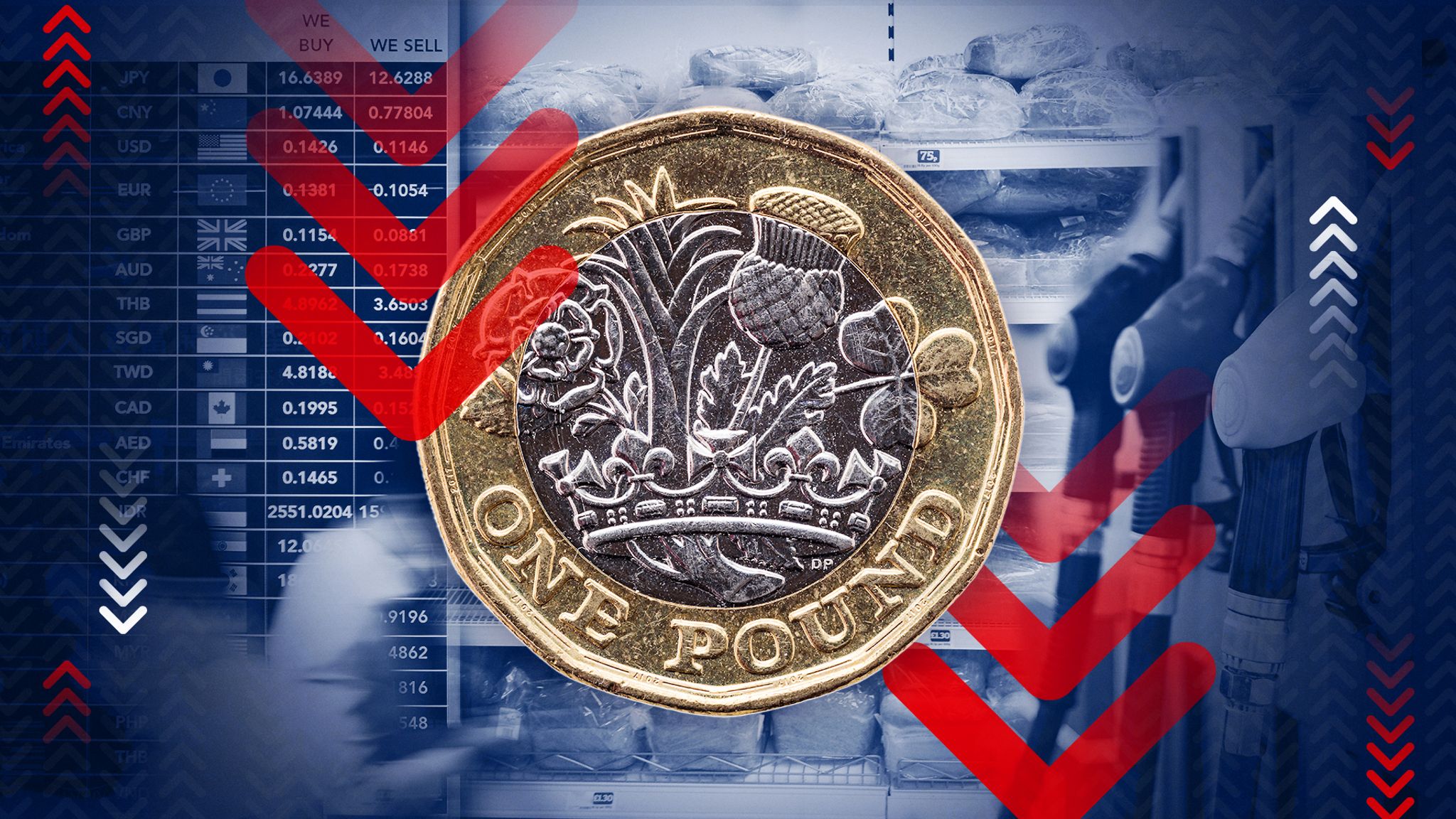
Why is the British Pound Falling? Understanding the Economic Factors at Play
The British Pound (GBP), a currency steeped in history and a bellwether of the UK economy, has experienced significant volatility in recent times. Understanding why is the British Pound falling requires a nuanced examination of various interconnected economic factors. This article will delve into the key drivers behind the Pound’s recent depreciation, providing a clear and concise overview of the challenges facing the UK economy. From inflation and interest rate differentials to political uncertainty and global economic headwinds, we’ll explore the complex interplay of forces that are contributing to the Pound’s downward trajectory. The recent fall of the British Pound has raised concerns among investors and consumers alike, prompting questions about the future stability of the UK economy. Therefore, a thorough analysis of these factors is crucial for anyone seeking to understand the current economic landscape. We will also examine potential future scenarios and their implications for the British Pound.
Economic Slowdown and Recession Fears
One of the primary reasons why is the British Pound falling is the growing concern about a potential economic recession in the UK. Economic data has been consistently pointing towards a slowdown, with sectors like manufacturing and construction facing significant headwinds. High inflation, coupled with rising interest rates, is squeezing household budgets and dampening consumer spending. This, in turn, is impacting business investment and overall economic growth.
The Bank of England (BoE) has acknowledged the risk of a recession and has projected a contraction in the UK economy. While the BoE is actively trying to combat inflation, its actions may inadvertently exacerbate the economic slowdown. The delicate balancing act between controlling inflation and preventing a recession is proving to be a major challenge for policymakers.
Furthermore, global economic uncertainty, stemming from geopolitical tensions and supply chain disruptions, is adding to the UK’s economic woes. The UK, heavily reliant on international trade, is particularly vulnerable to these external shocks. The combination of domestic and global factors is creating a perfect storm that is weighing heavily on the British Pound.
Inflation and Interest Rate Differentials
Inflation is a major culprit in the depreciation of the British Pound. The UK has been grappling with persistently high inflation rates, exceeding those of many other developed economies. This erodes the purchasing power of the Pound and makes UK assets less attractive to foreign investors. The high inflation also contributes to the cost of living crisis impacting many UK households. It makes the British Pound less valuable.
To combat inflation, the Bank of England has been raising interest rates. However, the pace of interest rate hikes may not be sufficient to curb inflation effectively, especially when compared to the aggressive monetary policy tightening undertaken by other central banks, such as the US Federal Reserve. This creates an interest rate differential, making the US Dollar more attractive to investors seeking higher returns. As a result, capital flows out of the UK and into the US, putting downward pressure on the British Pound.
The effectiveness of the BoE’s monetary policy is also being questioned. Some analysts argue that the central bank is behind the curve and needs to take more decisive action to bring inflation under control. The perception that the BoE is not doing enough to tackle inflation is further undermining confidence in the British Pound.
Political Uncertainty and Brexit Fallout
Political uncertainty has long been a factor weighing on the British Pound. The UK has experienced significant political turmoil in recent years, including changes in leadership and policy direction. This instability creates uncertainty for businesses and investors, making them hesitant to invest in the UK. Each new political shift impacts the British Pound.
The long-term economic consequences of Brexit continue to be debated. While some argue that Brexit has created new opportunities for the UK, others point to the negative impact on trade and investment. The uncertainty surrounding the UK’s future relationship with the European Union (EU) is still weighing on investor sentiment and contributing to the weakness of the British Pound.
Specifically, trade frictions with the EU, a major trading partner, have increased costs and reduced competitiveness for UK businesses. The complexities of navigating new customs procedures and regulatory requirements are adding to the challenges faced by exporters and importers. The overall effect of Brexit has contributed to the reasons why is the British Pound falling.
Global Economic Headwinds
The global economic environment is also playing a role in the weakness of the British Pound. A slowdown in global economic growth, coupled with rising commodity prices and geopolitical tensions, is creating headwinds for many economies, including the UK. The UK, being a relatively open economy, is particularly vulnerable to these external shocks.
The strength of the US Dollar is also a factor. As a safe-haven currency, the US Dollar tends to appreciate during times of global uncertainty. This puts downward pressure on other currencies, including the British Pound. The dollar’s strength exacerbates the challenges faced by the UK economy.
Furthermore, the war in Ukraine has disrupted global supply chains and increased energy prices, adding to inflationary pressures worldwide. The UK, like many other countries, is feeling the impact of these global economic headwinds, which are contributing to the weakening of the British Pound. The global economic climate contributes to why is the British Pound falling.
Market Sentiment and Speculation
Market sentiment and speculation can also influence the value of the British Pound. Negative news and economic data can trigger a sell-off in the Pound, further exacerbating its decline. Short-term trading activities can also amplify the volatility of the currency.
Hedge funds and other speculative investors often take positions based on their expectations of future currency movements. If they believe that the British Pound will continue to depreciate, they may short the currency, putting further downward pressure on its value. Market sentiment plays a significant role in currency fluctuations.
The perceived credibility of the UK’s economic policies and institutions also influences market sentiment. If investors lose confidence in the government’s ability to manage the economy effectively, they may become more likely to sell the British Pound. This lack of confidence further contributes to the depreciation of the currency.
What Can Be Done to Strengthen the British Pound?
Reversing the decline of the British Pound requires a multi-pronged approach. The Bank of England needs to maintain a firm stance on inflation, even if it means further interest rate hikes. The government needs to implement policies that promote economic growth and attract foreign investment. Addressing the long-term challenges posed by Brexit is also crucial.
Structural reforms to improve productivity and competitiveness are essential for boosting the UK’s economic potential. Investing in education, infrastructure, and innovation can help to create a more dynamic and resilient economy. The UK also needs to strengthen its trade relationships with countries outside the EU to diversify its export markets.
Ultimately, restoring confidence in the UK economy and the British Pound requires a commitment to sound economic policies and a clear vision for the future. The challenges are significant, but with decisive action and a long-term perspective, the UK can overcome these hurdles and restore the stability of its currency. Understanding why is the British Pound falling is the first step toward implementing effective solutions. [See also: UK Economic Outlook 2024] [See also: Impact of Inflation on the British Economy]
Conclusion
In conclusion, why is the British Pound falling is attributable to a complex interplay of factors, including economic slowdown, high inflation, political uncertainty, global economic headwinds, and market sentiment. Addressing these challenges requires a comprehensive and coordinated approach involving both monetary and fiscal policies. The future of the British Pound hinges on the UK’s ability to navigate these turbulent times and restore confidence in its economy. The continued fall of the British Pound remains a concern, and proactive measures are needed to stabilize and strengthen it. The reasons why is the British Pound falling are manifold and interconnected, requiring careful analysis and strategic action.
