Why is the GBP Falling? Understanding the Factors Behind the Pound’s Weakness
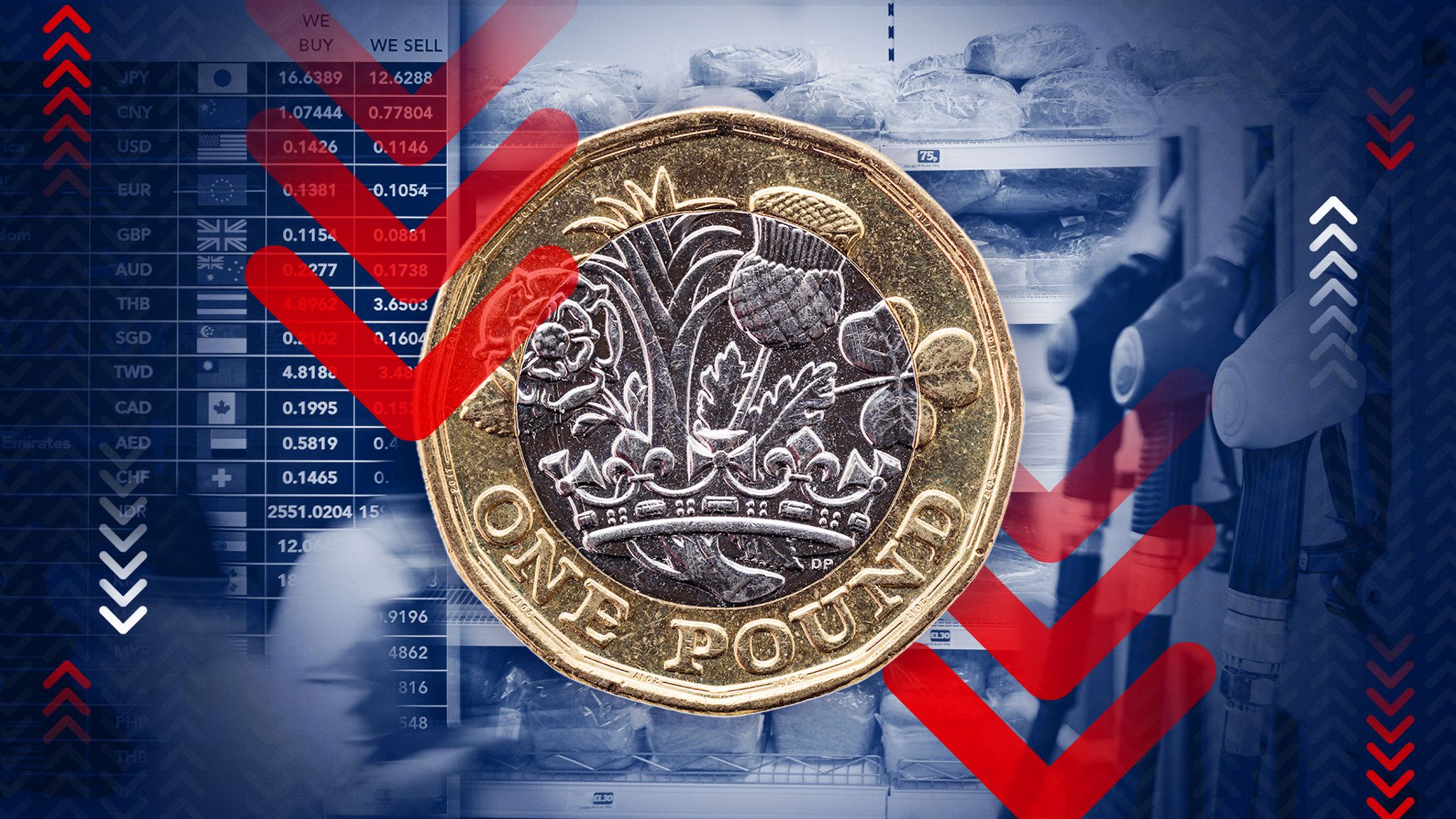
The British Pound (GBP), often referred to as Sterling, has experienced significant volatility and a general downward trend in recent times. Understanding why is the GBP falling requires a multifaceted analysis, encompassing economic indicators, political events, and global market dynamics. This article delves into the key factors contributing to the pound’s weakness, providing a comprehensive overview for those seeking to understand the forces at play.
Economic Performance and the GBP
One of the primary drivers behind the weakening of the GBP is the UK’s economic performance. Slower-than-expected growth, persistent inflation, and concerns about a potential recession all weigh heavily on the currency. Let’s examine these factors in more detail.
Slow Economic Growth
The UK economy has struggled to maintain robust growth in recent years. Factors such as Brexit, the COVID-19 pandemic, and global economic slowdowns have contributed to this sluggish performance. Lower growth rates typically lead to reduced investor confidence, which in turn puts downward pressure on the GBP. When investors perceive an economy as struggling, they are less likely to invest in its assets, leading to a decrease in demand for its currency.
Persistent Inflation
Inflation has been a major concern for the UK, with the Consumer Price Index (CPI) remaining stubbornly high. High inflation erodes purchasing power and can lead to economic instability. The Bank of England (BoE) has been tasked with controlling inflation, primarily through raising interest rates. However, aggressive interest rate hikes can also negatively impact economic growth, creating a delicate balancing act. If inflation remains high despite the BoE’s efforts, it can signal a lack of confidence in the UK’s economic management, further weakening the GBP. [See also: How Inflation Affects Currency Values]
Recession Fears
Concerns about a potential recession in the UK have also contributed to the GBP‘s decline. A recession, characterized by a significant decline in economic activity, can lead to job losses, reduced consumer spending, and lower corporate profits. These factors can further dampen investor sentiment and lead to a sell-off of the GBP. The possibility of a recession is often priced into the currency market well before the actual event occurs, leading to preemptive weakening of the GBP.
Political Uncertainty and the GBP
Political events and uncertainty can significantly impact currency values. In the UK, several political factors have contributed to the weakening of the GBP.
Brexit and its Aftermath
The UK’s decision to leave the European Union (Brexit) has had a profound impact on the GBP. The uncertainty surrounding the terms of Brexit and the subsequent trade negotiations have created significant volatility. While the UK has now formally left the EU, the long-term economic consequences of Brexit continue to weigh on the GBP. Concerns about reduced trade with the EU, disruptions to supply chains, and the overall impact on the UK’s competitiveness have all contributed to the pound’s weakness. [See also: The Economic Impact of Brexit]
Political Instability
Political instability within the UK government can also negatively affect the GBP. Frequent changes in leadership, policy U-turns, and a lack of clear direction can erode investor confidence. A stable and predictable political environment is essential for attracting foreign investment and maintaining currency stability. When political turmoil arises, investors may become hesitant to hold GBP-denominated assets, leading to a decline in its value.
Global Factors Influencing the GBP
While domestic factors play a significant role, global events and market dynamics also influence the GBP‘s performance.
Global Economic Slowdown
A global economic slowdown can impact the GBP through various channels. Reduced global demand can lead to lower exports from the UK, negatively affecting its trade balance. Additionally, a global recession can trigger a flight to safety, with investors seeking refuge in perceived safe-haven currencies such as the US dollar (USD) or the Japanese yen (JPY). This can lead to a sell-off of riskier currencies like the GBP.
Interest Rate Differentials
Interest rate differentials between the UK and other major economies can also influence the GBP. If the Bank of England (BoE) maintains lower interest rates compared to other central banks, it can make the GBP less attractive to investors seeking higher returns. This can lead to capital outflows and a weakening of the currency. Conversely, if the BoE raises interest rates more aggressively than other central banks, it can attract foreign investment and support the GBP. However, as mentioned earlier, aggressive rate hikes can also have negative consequences for economic growth. The question of why is the GBP falling is often tied to the relative attractiveness of UK interest rates compared to other nations.
Geopolitical Risks
Geopolitical risks, such as international conflicts, trade wars, and political tensions, can also impact the GBP. These events can create uncertainty and volatility in the global markets, leading to shifts in investor sentiment. In times of heightened geopolitical risk, investors may seek safe-haven assets, putting downward pressure on riskier currencies like the GBP. The ongoing war in Ukraine, for example, has contributed to global economic uncertainty and has likely played a role in the GBP‘s recent weakness.
The Bank of England’s Response
The Bank of England (BoE) plays a crucial role in managing the GBP‘s value. The BoE’s primary tool for influencing the currency is through adjusting interest rates. Higher interest rates can attract foreign investment and support the GBP, while lower interest rates can stimulate economic growth but may weaken the currency. The BoE also uses other tools, such as quantitative easing (QE), to manage liquidity in the financial system. QE involves the central bank purchasing government bonds or other assets to inject money into the economy. While QE can help to lower borrowing costs and stimulate economic activity, it can also lead to inflation and a weakening of the GBP. The BoE’s decisions regarding interest rates and QE are closely watched by investors and can have a significant impact on the GBP‘s value.
Future Outlook for the GBP
Predicting the future direction of the GBP is a complex task, as it depends on a multitude of factors. However, by understanding the key drivers behind the currency’s recent weakness, we can gain some insights into its potential future trajectory. If the UK economy can achieve stronger and more sustainable growth, inflation can be brought under control, and political stability can be restored, the GBP is likely to recover. However, if the UK continues to face economic challenges, political uncertainty, and global headwinds, the GBP may remain under pressure. Investors should closely monitor economic data, political developments, and central bank policy decisions to assess the future outlook for the GBP. The question of why is the GBP falling may become less relevant if these factors improve.
Conclusion
The weakening of the GBP is a complex issue driven by a combination of economic, political, and global factors. Slow economic growth, persistent inflation, Brexit-related uncertainties, political instability, and global economic headwinds have all contributed to the pound’s decline. While the Bank of England is working to manage the currency’s value, the future outlook for the GBP remains uncertain. Investors and businesses should carefully monitor these factors to make informed decisions. Understanding why is the GBP falling is crucial for anyone with exposure to the UK economy or currency markets. [See also: Currency Trading Strategies for Beginners]
