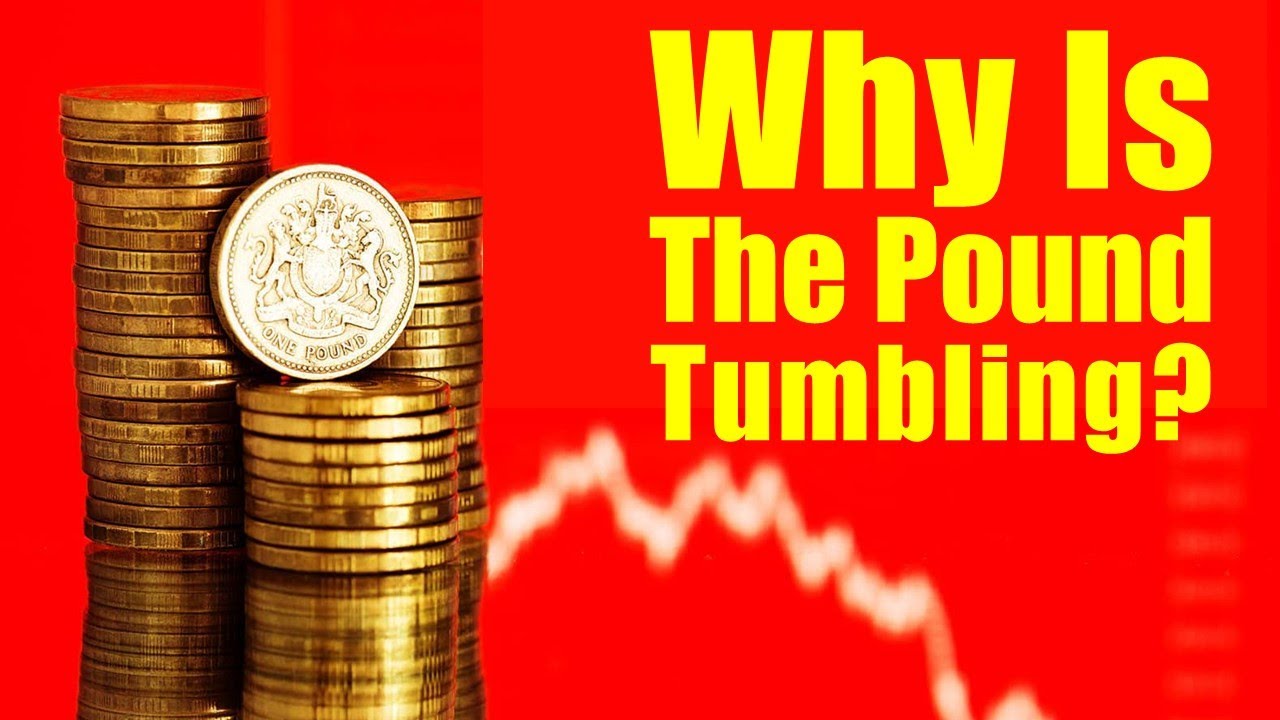
Why is the Pound Falling? Understanding the Factors Behind Sterling’s Weakness
The British pound, or Sterling, is a currency that has experienced considerable volatility in recent years. Understanding why is the pound falling requires a multifaceted analysis, considering economic indicators, political developments, and global market forces. This article delves into the key factors contributing to the pound’s depreciation, offering insights into the current state of the UK economy and its impact on the international currency markets.
Economic Performance and Inflation
One of the primary drivers behind the weakening pound is the UK’s economic performance. Slowing growth, coupled with high inflation, creates a challenging environment for the currency. When the economy struggles, investors often become less confident in the country’s ability to generate returns, leading to a sell-off of the pound.
Inflationary Pressures
Inflation has been a persistent problem in the UK, significantly outpacing many of its peers. High inflation erodes purchasing power and can lead to higher interest rates, which, while intended to curb inflation, can also stifle economic growth. The Bank of England (BoE) has been actively raising interest rates to combat inflation, but this has also raised concerns about a potential recession. These concerns contribute to the question of why is the pound falling.
GDP Growth Concerns
The UK’s GDP growth has been sluggish, reflecting the impact of Brexit, the COVID-19 pandemic, and global economic headwinds. Uncertainty surrounding future economic prospects can deter foreign investment, putting downward pressure on the pound. A weak economic outlook often translates directly into a weaker currency, as investors seek higher returns in more stable or rapidly growing economies.
Political Uncertainty
Political stability is crucial for maintaining investor confidence in a currency. Political uncertainty, whether stemming from elections, policy changes, or geopolitical events, can create volatility and negatively impact the pound’s value. Recent political events in the UK have certainly played a role in why is the pound falling.
Brexit and Its Aftermath
Brexit continues to cast a long shadow over the UK economy. The long-term effects of leaving the European Union are still unfolding, and ongoing trade negotiations and regulatory adjustments create uncertainty. This uncertainty can weigh on investor sentiment and contribute to the pound’s weakness. The perceived negative impacts of Brexit on trade and investment flows are frequently cited as reasons for the pound’s depreciation.
Government Policy and Fiscal Concerns
Government fiscal policy also plays a significant role. Concerns about the UK’s debt levels, budget deficits, and the government’s approach to economic management can all impact the pound. Market reactions to government announcements and policy changes can be swift and significant, often contributing to volatility in the currency markets.
Interest Rate Differentials
Interest rate differentials between the UK and other major economies can also influence the pound’s value. When the UK’s interest rates are lower than those of other countries, investors may be incentivized to move their capital to those higher-yielding markets, leading to a sell-off of the pound. The Bank of England’s monetary policy decisions are closely watched by currency traders, and any perceived divergence from other central banks can trigger significant movements in the pound.
The Bank of England’s Response
The Bank of England’s efforts to control inflation through interest rate hikes have been a key factor. However, the pace and extent of these hikes, relative to other central banks like the Federal Reserve, influence the relative attractiveness of holding Sterling. If the market believes the BoE is not aggressive enough in tackling inflation, the pound may suffer. [See also: Bank of England Monetary Policy Updates]
Global Economic Factors
The pound’s performance is not solely determined by domestic factors. Global economic trends, such as changes in commodity prices, global trade flows, and risk sentiment, can also have a significant impact. In times of global economic uncertainty, investors often flock to safe-haven currencies, such as the US dollar, at the expense of riskier currencies like the pound. This dynamic is a key element in understanding why is the pound falling.
The Strength of the US Dollar
The strength of the US dollar often has an inverse relationship with other currencies, including the pound. When the dollar is strong, it tends to put downward pressure on other currencies. The Federal Reserve’s monetary policy decisions and the overall health of the US economy are major drivers of dollar strength, which in turn affects the pound.
Geopolitical Risks
Geopolitical events, such as wars, political instability in other regions, and trade disputes, can also impact the pound. These events can increase risk aversion among investors, leading them to seek safer assets and currencies. The ongoing war in Ukraine, for example, has created significant uncertainty and volatility in global markets, contributing to the pound’s weakness.
Market Sentiment and Speculation
Market sentiment and speculation can also play a role in the pound’s movements. Currency markets are highly liquid and can be influenced by short-term trading strategies and speculative positions. Negative news or rumors can trigger a sell-off, while positive developments can lead to a rally. Understanding market sentiment requires analyzing news flow, economic data releases, and the positioning of major market participants.
Hedge Funds and Institutional Investors
Hedge funds and other institutional investors play a significant role in the currency markets. Their trading activities can amplify price movements, especially in response to economic data releases or political events. Monitoring their positioning and sentiment can provide valuable insights into the potential direction of the pound.
The Future Outlook for the Pound
Predicting the future direction of the pound is challenging, as it depends on a complex interplay of factors. However, understanding the key drivers of its weakness can provide a framework for assessing its potential trajectory. Monitoring economic data, political developments, and global market trends is essential for staying informed about the pound’s prospects. The question of why is the pound falling is not a static one; the answer evolves with changing circumstances.
Key Factors to Watch
- Inflation Data: Continued monitoring of inflation figures and the Bank of England’s response.
- GDP Growth: Tracking the UK’s economic growth and signs of a potential recession.
- Brexit Developments: Any new developments related to trade agreements and regulatory changes.
- Global Economic Trends: Monitoring the strength of the US dollar and global geopolitical risks.
Conclusion
In conclusion, why is the pound falling is a question with no single, simple answer. A combination of economic factors, political uncertainty, global events, and market sentiment all contribute to the currency’s performance. By understanding these factors, investors and businesses can better navigate the complexities of the currency markets and make informed decisions. The pound’s future will likely depend on the UK’s ability to address its economic challenges, maintain political stability, and adapt to the evolving global landscape. The factors discussed above provide a comprehensive overview of the dynamics influencing the value of the pound sterling.
