Why Is the Pound Falling? Understanding the GBP’s Recent Struggles
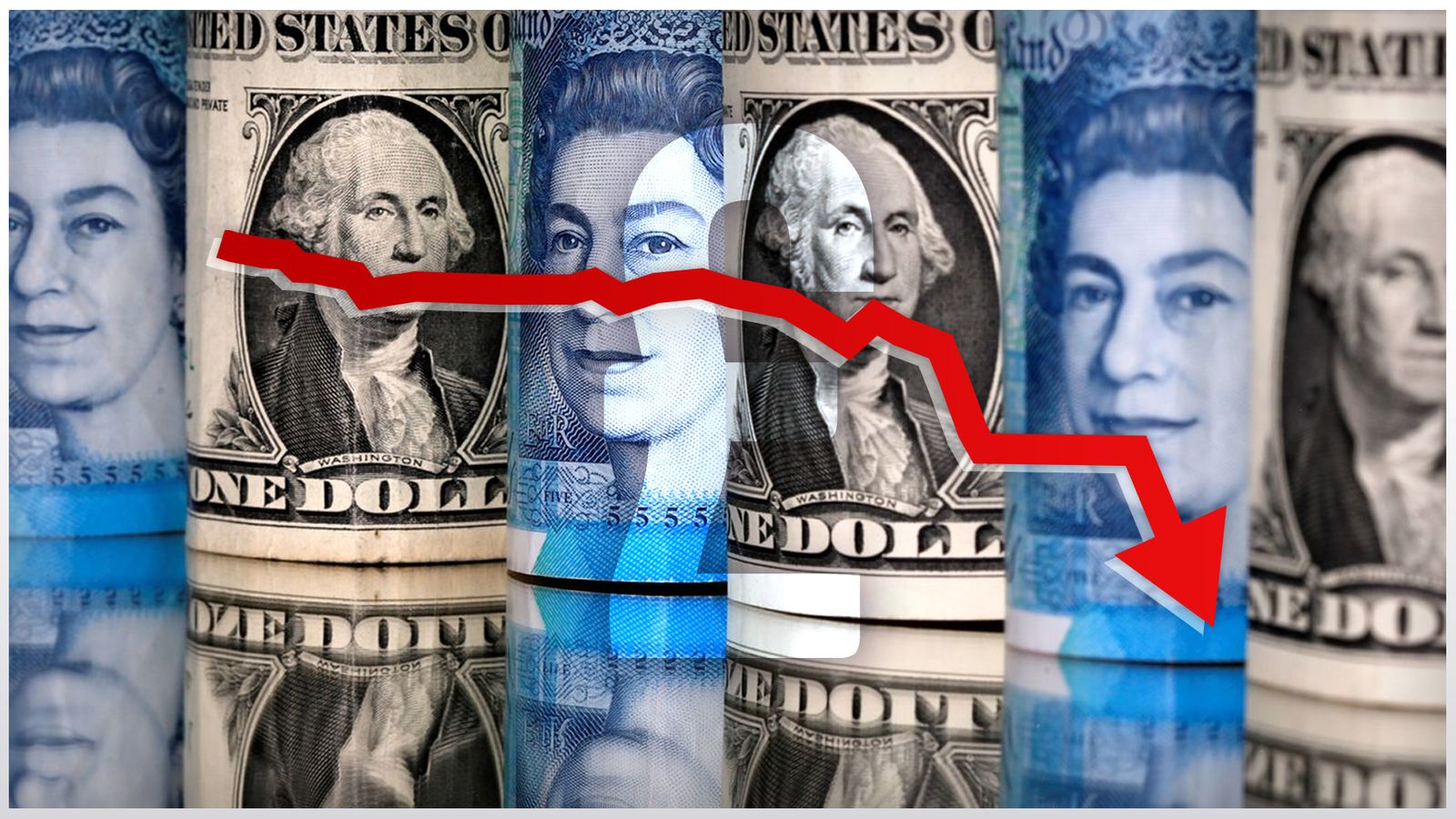
The British pound (GBP), also known as the pound sterling, has experienced significant volatility and a general downward trend in recent times. Understanding why is the pound falling requires a multifaceted analysis, considering various economic, political, and global factors. This article will delve into the key reasons behind the pound’s recent struggles, providing a comprehensive overview for anyone following the UK economy.
Economic Fundamentals and Inflation
One of the primary drivers behind the pound’s decline is the state of the UK economy. Inflation, in particular, has played a crucial role. The UK has been grappling with persistently high inflation rates, often exceeding those of other major economies like the United States and the Eurozone. This erodes the purchasing power of the pound and makes UK assets less attractive to foreign investors.
The Bank of England (BoE) has been tasked with managing inflation, primarily through adjusting interest rates. While the BoE has raised interest rates aggressively, these increases have not always been sufficient to curb inflation effectively. Furthermore, the aggressive rate hikes can also stifle economic growth, creating a difficult balancing act. Concerns about a potential recession in the UK further weigh on the pound. [See also: UK Economic Outlook 2024]
The Impact of Interest Rate Differentials
Interest rate differentials – the difference in interest rates between the UK and other countries – also influence the pound’s value. When interest rates in other countries, such as the US, are higher, investors are drawn to those currencies, leading to a decrease in demand for the pound and a corresponding fall in its value. The Federal Reserve’s (the US central bank) aggressive interest rate hikes in recent years have contributed to this effect.
Political Uncertainty and Brexit
Political uncertainty has long been a factor affecting the pound, and Brexit is a significant and ongoing source of such uncertainty. The long-term economic consequences of Brexit are still unfolding, and the UK’s trade relationships with the European Union and other countries continue to evolve. Uncertainty surrounding trade deals, regulatory frameworks, and immigration policies can deter investment and negatively impact the pound.
Furthermore, political instability within the UK government can also contribute to the pound’s weakness. Changes in leadership, policy shifts, and political scandals can all create uncertainty and erode investor confidence. [See also: Brexit’s Impact on the UK Economy]
Global Economic Conditions
Global economic conditions also play a role in the pound’s performance. A slowdown in global economic growth can reduce demand for UK exports, weakening the pound. Conversely, a strong global economy can boost demand for UK goods and services, supporting the pound. Geopolitical events, such as wars and trade disputes, can also create volatility in currency markets and impact the pound.
The Role of Safe-Haven Currencies
During times of global economic uncertainty, investors often flock to safe-haven currencies like the US dollar and the Japanese yen. This increased demand for safe-haven currencies can put downward pressure on the pound. The dollar’s strength, in particular, often correlates inversely with the pound’s performance.
Specific Events and Announcements
Specific events and economic announcements can trigger significant movements in the pound. For example, the release of inflation data, GDP figures, or employment numbers can all have a direct impact on the currency’s value. Similarly, announcements from the Bank of England regarding monetary policy can also move the pound.
Unexpected or surprising announcements often have a more pronounced effect. For example, if inflation data comes in higher than expected, the pound may fall as investors anticipate further interest rate hikes from the Bank of England, potentially stifling economic growth.
Market Sentiment and Speculation
Market sentiment and speculation also play a role in the pound’s movements. Currency markets are driven by supply and demand, and these forces can be influenced by investor expectations and perceptions. If investors believe that the pound will continue to fall, they may sell their holdings, further contributing to its decline.
Speculative trading, where investors bet on the future direction of a currency, can also amplify price movements. Large speculative positions can create significant volatility in the market. Understanding why is the pound falling involves recognizing the impact of these speculative forces.
Quantitative Easing and Monetary Policy
The Bank of England’s monetary policy, including its use of quantitative easing (QE), can also affect the pound. QE involves the central bank purchasing government bonds and other assets to inject liquidity into the economy. While QE can help to stimulate economic growth, it can also lead to inflation and a depreciation of the currency.
The BoE’s decisions regarding QE and interest rates are closely watched by investors, and these decisions can have a significant impact on the pound. The effectiveness of these policies in managing inflation and supporting economic growth is crucial for the pound’s long-term performance.
The UK’s Trade Deficit
The UK’s trade deficit, which is the difference between the value of its imports and exports, can also contribute to the pound’s weakness. A large trade deficit means that the UK is importing more goods and services than it is exporting, which can put downward pressure on the currency. [See also: UK Trade Statistics]
Addressing the trade deficit requires boosting exports and reducing imports. This can be achieved through various policies, such as improving the competitiveness of UK businesses, negotiating favorable trade deals, and promoting investment in export-oriented industries. The challenges of balancing import and export markets directly relates to why is the pound falling.
Long-Term Economic Outlook
The long-term economic outlook for the UK is another important factor influencing the pound. If investors believe that the UK economy will struggle in the future, they may be less willing to hold the pound. Factors such as demographic trends, technological innovation, and government policies can all affect the long-term economic outlook.
Addressing the UK’s long-term economic challenges requires a comprehensive strategy that focuses on improving productivity, investing in education and infrastructure, and creating a stable and predictable business environment. Understanding and influencing the long-term economic outlook is essential for stabilizing the pound.
Conclusion: Understanding Why Is The Pound Falling
In conclusion, why is the pound falling is a complex question with no single, simple answer. It is influenced by a combination of economic fundamentals, political uncertainty, global economic conditions, specific events, market sentiment, and the Bank of England’s monetary policy. Understanding these factors is crucial for investors, businesses, and policymakers who need to navigate the challenges and opportunities presented by a volatile currency market.
Monitoring key economic indicators, staying informed about political developments, and understanding the global economic context are all essential for making informed decisions about the pound. While predicting the future is impossible, a thorough understanding of the underlying factors can help to mitigate risks and capitalize on opportunities.
The pound’s future performance will depend on how the UK addresses its economic challenges, manages its political landscape, and adapts to the changing global environment. Only time will tell whether the pound can regain its former strength, but a clear understanding of the factors that influence its value is a crucial first step.
