Why Is the Pound Falling? Understanding the GBP’s Recent Weakness
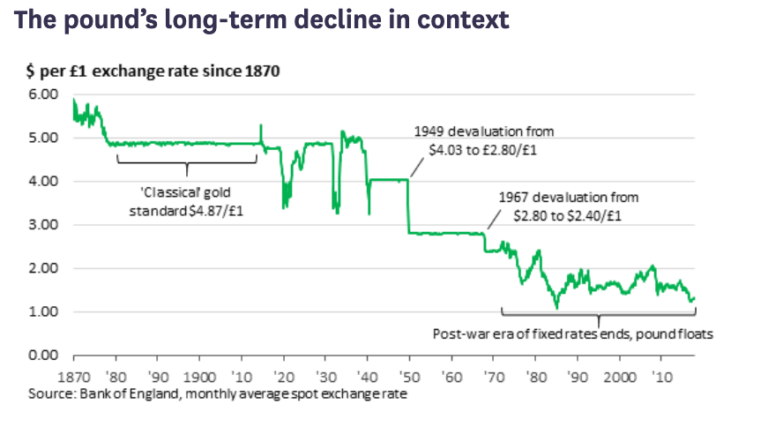
The British pound (GBP), often referred to as the pound sterling, has experienced significant volatility and a general downward trend in recent times. Understanding why is the pound falling requires a multifaceted analysis, considering factors ranging from domestic economic policies to global geopolitical events. This article delves into the primary drivers behind the pound’s weakness, offering an objective and informative perspective on the situation.
Economic Fundamentals and the Pound
A nation’s currency is fundamentally linked to the health of its economy. Several key economic indicators influence the value of the pound. Let’s examine some of the most crucial:
Inflation and Interest Rates
Inflation plays a pivotal role in currency valuation. High inflation erodes purchasing power and can lead to a depreciation of the currency. To combat inflation, central banks, like the Bank of England (BoE), typically raise interest rates. Higher interest rates can attract foreign investment, increasing demand for the pound and potentially strengthening its value. However, the effectiveness of this strategy depends on several factors, including the magnitude of the rate hikes and the overall economic outlook.
Currently, the UK is grappling with persistently high inflation, exceeding the BoE’s target. While the BoE has been raising interest rates aggressively, these increases haven’t always translated into a stronger pound. This is because the market’s expectation of future economic growth remains subdued, offsetting the positive impact of higher rates. Concerns about a potential recession loom large, which diminishes the attractiveness of holding the pound. [See also: UK Inflation Rate Forecast]
Gross Domestic Product (GDP) Growth
GDP growth is a broad measure of economic activity. A robust GDP growth rate typically signals a healthy economy, bolstering investor confidence and strengthening the currency. Conversely, weak or negative GDP growth can undermine confidence and lead to a weaker pound. The UK’s GDP growth has been sluggish in recent quarters, weighed down by factors such as Brexit-related uncertainties, the energy crisis, and global economic headwinds. This lack of strong economic momentum contributes to the downward pressure on the pound.
Unemployment Rate
The unemployment rate is another critical indicator of economic health. A low unemployment rate generally indicates a strong labor market, which can support economic growth and currency appreciation. However, a rising unemployment rate can signal economic weakness and negatively impact the pound. While the UK’s unemployment rate remains relatively low, there are concerns about future job losses due to the economic slowdown. This uncertainty adds to the overall negative sentiment surrounding the pound.
Brexit and the Pound’s Performance
The UK’s decision to leave the European Union (Brexit) has had a profound and lasting impact on the pound. The uncertainty surrounding the UK’s future relationship with the EU has weighed heavily on investor sentiment. The initial vote to leave in 2016 triggered a sharp decline in the pound, and the currency has struggled to recover fully since then.
The implementation of the Trade and Cooperation Agreement between the UK and the EU has eased some of the immediate concerns, but significant challenges remain. Trade barriers between the UK and the EU have increased, impacting UK exports and economic growth. Moreover, Brexit has complicated supply chains and contributed to inflationary pressures. The long-term economic consequences of Brexit continue to be debated, but it’s undeniable that Brexit has played a significant role in why is the pound falling.
Global Factors Influencing the Pound
The pound’s value is not solely determined by domestic factors. Global economic conditions, geopolitical events, and investor risk appetite also play a crucial role.
Global Economic Slowdown
A global economic slowdown can negatively impact the pound. As global growth weakens, demand for UK exports may decline, putting downward pressure on the currency. Furthermore, a global recession can trigger a flight to safety, with investors seeking refuge in perceived safe-haven currencies like the US dollar (USD), further weakening the pound.
Geopolitical Risks
Geopolitical risks, such as wars, political instability, and trade disputes, can also affect the pound. Increased geopolitical uncertainty typically leads to a flight to safety, benefiting safe-haven currencies and weakening riskier assets like the pound. The ongoing conflict in Ukraine, for example, has contributed to global economic uncertainty and put downward pressure on the pound. [See also: Impact of Ukraine War on Global Currencies]
Strength of the US Dollar
The US dollar’s strength is a significant factor influencing the pound’s value. The USD is the world’s reserve currency, and its strength often comes at the expense of other currencies, including the pound. When the US Federal Reserve raises interest rates or signals a hawkish monetary policy stance, the USD tends to appreciate, putting downward pressure on the pound.
Market Sentiment and Speculation
Market sentiment and speculation can also play a role in short-term fluctuations in the pound’s value. Currency markets are highly liquid and subject to rapid changes in sentiment. Negative news or rumors can trigger a sell-off in the pound, leading to a sharp decline in its value. Conversely, positive news or expectations can lead to a surge in demand for the pound, pushing its value higher. However, these short-term fluctuations are often driven by speculative activity and may not reflect the underlying economic fundamentals.
The Future Outlook for the Pound
Predicting the future value of the pound is a challenging task, as it depends on a complex interplay of factors. However, based on current trends and economic forecasts, several potential scenarios can be considered.
Scenario 1: Economic Recovery and Interest Rate Hikes
If the UK economy manages to avoid a deep recession and the Bank of England continues to raise interest rates aggressively, the pound could potentially recover some of its lost ground. However, this scenario hinges on the BoE’s ability to effectively combat inflation without triggering a significant economic downturn.
Scenario 2: Continued Economic Stagnation
If the UK economy continues to stagnate and inflation remains stubbornly high, the pound is likely to remain under pressure. In this scenario, the BoE may face a difficult choice between raising interest rates to curb inflation and supporting economic growth. This uncertainty could further undermine investor confidence and weaken the pound.
Scenario 3: Global Recession
A global recession would likely exacerbate the pound’s weakness. In a risk-off environment, investors would likely flock to safe-haven currencies like the USD, further diminishing demand for the pound. Moreover, a global recession would likely reduce demand for UK exports, putting additional downward pressure on the currency.
Conclusion: Why Is the Pound Falling? A Complex Equation
In conclusion, understanding why is the pound falling requires a comprehensive assessment of domestic economic factors, Brexit-related challenges, global economic conditions, and market sentiment. The pound’s recent weakness is a result of a confluence of factors, including high inflation, sluggish economic growth, Brexit-related uncertainties, and the strength of the US dollar. The future outlook for the pound remains uncertain, depending on how these factors evolve in the coming months and years. Monitoring key economic indicators, geopolitical developments, and central bank policies will be crucial for understanding the pound’s future trajectory. Ultimately, the strength of the pound is inextricably linked to the overall health and prospects of the UK economy. Investors and businesses alike need to carefully consider these factors when making decisions involving the pound.
