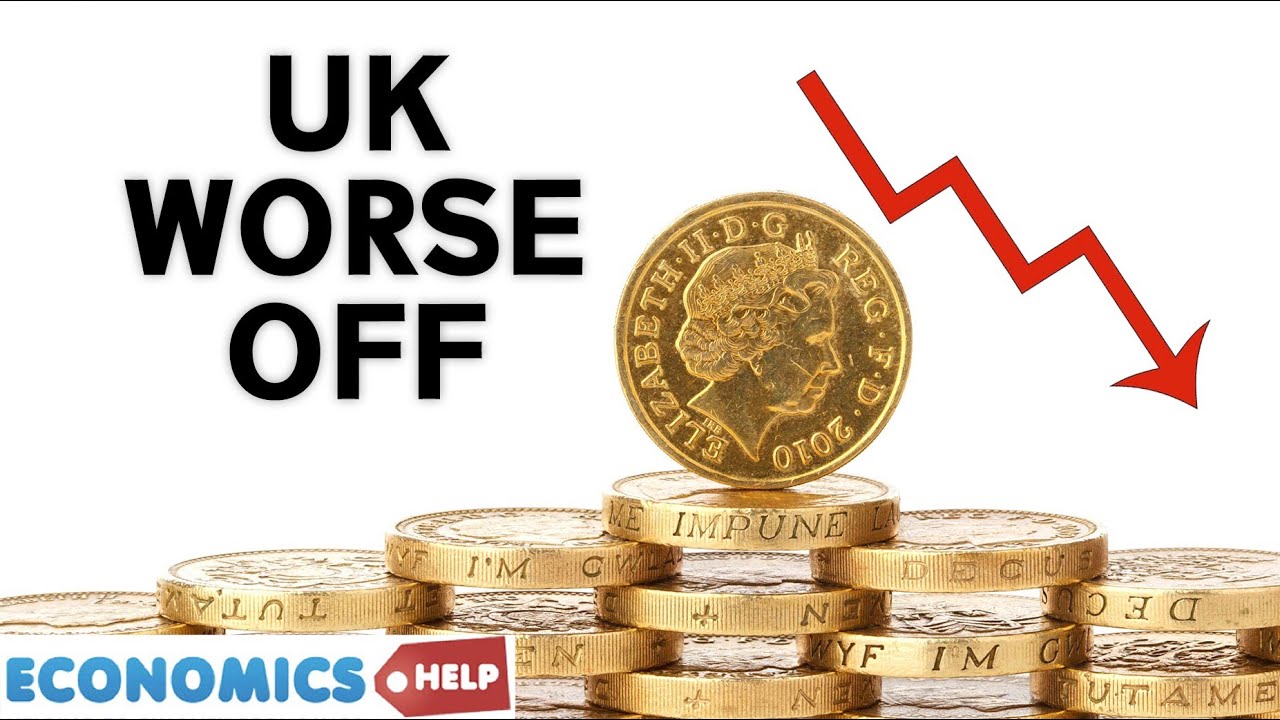
Why is the Sterling Pound Falling? Understanding the Factors at Play
The sterling pound, often referred to as GBP, is a major global currency, and its fluctuations significantly impact international trade, investment, and the UK’s economic health. Recently, the pound has experienced periods of considerable weakness against other major currencies like the US dollar and the euro. Understanding why the sterling pound is falling requires a nuanced look at various interconnected factors. This article delves into the key reasons behind the pound’s recent decline, providing a comprehensive overview for those seeking to understand the dynamics at play.
Economic Uncertainty and Brexit’s Lingering Effects
One of the primary reasons why the sterling pound is falling is the persistent economic uncertainty surrounding the UK’s departure from the European Union. While Brexit officially occurred, the long-term implications are still unfolding. The complexities of new trade agreements, supply chain disruptions, and regulatory adjustments continue to weigh on investor confidence. [See also: The Impact of Brexit on UK Trade]
- Trade Barriers: Post-Brexit, UK businesses face increased trade barriers with the EU, including customs checks and regulatory compliance. This has led to higher costs and reduced competitiveness.
- Supply Chain Issues: The disruption of established supply chains has impacted various sectors, leading to shortages and inflationary pressures.
- Labor Shortages: Brexit has contributed to labor shortages in certain sectors, such as hospitality and agriculture, further straining the economy.
These factors collectively contribute to a less optimistic outlook for the UK economy, making the sterling pound less attractive to investors.
Inflation and Monetary Policy
Another significant factor influencing the falling sterling pound is the UK’s battle with inflation. Like many countries, the UK has experienced a surge in inflation, driven by factors such as rising energy prices and global supply chain disruptions. The Bank of England (BoE) is tasked with managing inflation through monetary policy, primarily by adjusting interest rates.
The Bank of England’s Response
The BoE has been raising interest rates to combat inflation. However, the pace and extent of these rate hikes have been a subject of debate. If the BoE is perceived as being too slow or hesitant in raising rates, it can undermine confidence in the pound. Conversely, aggressive rate hikes can risk triggering a recession.
The effectiveness of the BoE’s monetary policy directly impacts the value of the sterling pound. [See also: Understanding UK Monetary Policy]
Inflationary Pressures
The UK’s high inflation rate relative to other developed economies makes the sterling pound less appealing. Investors seek stable and predictable returns, and high inflation erodes the real value of investments. This leads to a sell-off of the pound and a shift towards currencies with lower inflation rates.
Global Economic Conditions
The global economic landscape also plays a crucial role in the sterling pound’s performance. Factors such as global growth rates, geopolitical tensions, and the strength of other major currencies can all influence the pound’s value.
The Strength of the US Dollar
The US dollar is often considered a safe-haven currency, meaning that investors tend to flock to it during times of global uncertainty. When the global economy faces challenges, the dollar typically strengthens, putting downward pressure on other currencies, including the sterling pound. The Federal Reserve’s (the Fed) monetary policy also plays a key role. If the Fed raises interest rates more aggressively than the BoE, it can further strengthen the dollar and weaken the pound.
Geopolitical Risks
Geopolitical events, such as the war in Ukraine, can also impact the sterling pound. These events create uncertainty and risk aversion, leading investors to seek safer assets, often at the expense of riskier currencies like the pound.
Political Instability
Political instability within the UK can also contribute to the falling sterling pound. Frequent changes in government, policy U-turns, and political scandals can erode investor confidence and create uncertainty about the future direction of the UK economy. A stable political environment is crucial for attracting foreign investment and supporting the value of the pound.
Government Debt and Fiscal Policy
The UK’s level of government debt and its fiscal policy also influence the sterling pound. High levels of debt can raise concerns about the UK’s ability to repay its obligations, leading to a sell-off of the pound. Similarly, unsustainable fiscal policies, such as excessive government spending or tax cuts, can undermine investor confidence.
Market Sentiment and Speculation
Finally, market sentiment and speculation can also play a role in the sterling pound’s fluctuations. Currency markets are often driven by expectations and sentiment, which can be influenced by news headlines, economic data releases, and even rumors. Speculators can amplify these movements, leading to sharp and sudden changes in the pound’s value. [See also: Currency Trading Strategies]
Conclusion: A Complex Interplay of Factors
In conclusion, understanding why the sterling pound is falling requires a comprehensive analysis of various interconnected factors. Brexit’s lingering effects, high inflation, global economic conditions, political instability, government debt, and market sentiment all contribute to the pound’s performance. Monitoring these factors is crucial for anyone seeking to understand the dynamics of the currency market and the UK economy. The sterling pound‘s future trajectory will depend on how these factors evolve and how policymakers respond to the challenges they present. The value of the sterling pound is a complex issue. The sterling pound is influenced by many things. The sterling pound is a major currency. What impacts the sterling pound? The sterling pound and its future. The sterling pound is watched closely. The sterling pound is important. The sterling pound‘s fluctuations. The importance of the sterling pound. What about the sterling pound?
