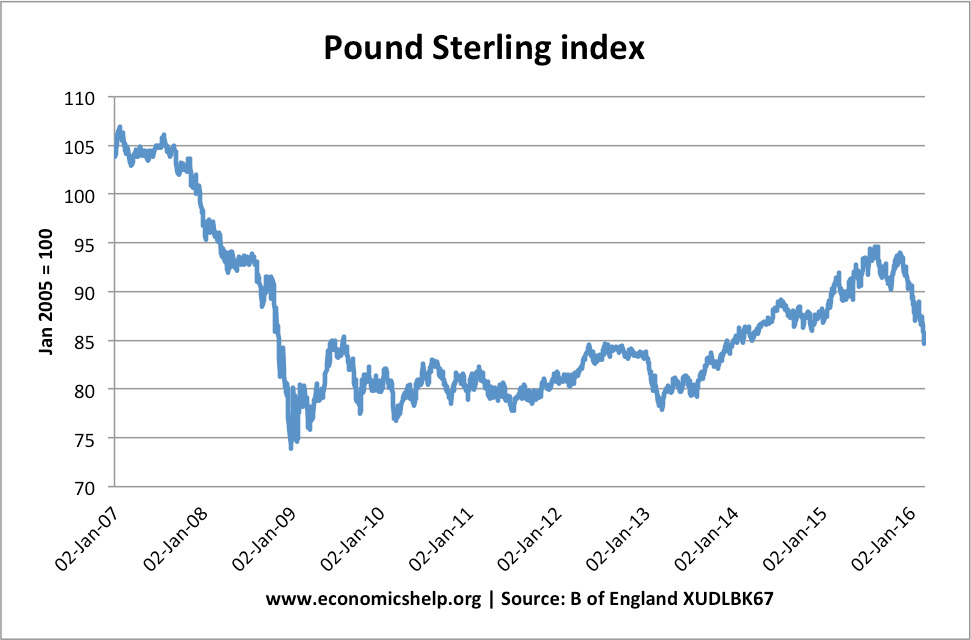
Why is the Sterling Pound Falling? Understanding the GBP’s Weakness
The Sterling Pound (GBP), often referred to simply as the pound, has experienced significant volatility in recent times, leading many to ask: why is the Sterling Pound falling? This article delves into the multifaceted reasons behind the pound’s recent weakness, providing a comprehensive overview of the economic, political, and global factors at play. Understanding these dynamics is crucial for businesses, investors, and anyone with an interest in the UK economy.
Economic Factors Contributing to the Pound’s Decline
Several key economic indicators paint a picture of the challenges facing the UK economy and, consequently, the Sterling Pound falling. These factors include inflation, interest rates, and overall economic growth.
Inflation Woes
Inflation has been a persistent problem in the UK, remaining stubbornly high compared to other developed economies. The Bank of England (BoE) has been battling to control inflation, but the impact on the Sterling Pound falling has been undeniable. High inflation erodes purchasing power, making the UK a less attractive place for investment.
The Consumer Price Index (CPI) consistently exceeded the BoE’s target of 2%, prompting concerns about the long-term stability of the economy. This inflationary pressure stems from a combination of factors, including global supply chain disruptions, rising energy prices, and strong domestic demand following the pandemic.
Interest Rate Hikes and Their Impact
In response to high inflation, the Bank of England has raised interest rates aggressively. While higher interest rates are intended to curb inflation, they can also have negative consequences for economic growth. The balance between controlling inflation and stimulating growth is a delicate one, and missteps can contribute to why the Sterling Pound is falling.
Increased borrowing costs can dampen business investment and consumer spending, leading to slower economic growth or even recession. The effectiveness of interest rate hikes in taming inflation is also subject to debate, especially when inflation is driven by supply-side factors rather than demand.
Slowing Economic Growth
The UK economy has experienced sluggish growth in recent quarters, raising concerns about a potential recession. Economic growth figures have consistently fallen short of expectations, reflecting the impact of inflation, rising interest rates, and global economic uncertainty. This lack of robust growth contributes significantly to the Sterling Pound falling.
Brexit-related disruptions, labor shortages, and supply chain bottlenecks have further exacerbated the economic slowdown. These challenges have created a less favorable environment for investment and economic activity, putting downward pressure on the pound.
Political Uncertainty and the Pound
Political instability and policy uncertainty can significantly impact a country’s currency. The UK has experienced its fair share of political turbulence in recent years, and this has undoubtedly contributed to why the Sterling Pound is falling.
Brexit and Its Lingering Effects
The decision to leave the European Union (EU) continues to cast a long shadow over the UK economy. Brexit has created trade barriers, disrupted supply chains, and increased uncertainty for businesses. The ongoing adjustments to the new trading relationship with the EU are a major factor influencing the Sterling Pound falling.
Negotiations with the EU on various aspects of the post-Brexit relationship remain ongoing, and any setbacks or disagreements can trigger further volatility in the pound. The long-term economic consequences of Brexit are still unfolding, but the initial impact has been largely negative.
Government Policies and Fiscal Responsibility
Government policies, particularly those related to fiscal spending and taxation, can have a significant impact on investor confidence and the value of the pound. A lack of fiscal responsibility or poorly designed policies can undermine confidence in the UK economy and contribute to why the Sterling Pound is falling.
Recent government initiatives, such as tax cuts or increased spending, have been met with skepticism by some economists and investors, who worry about the potential impact on inflation and the national debt. The credibility of government economic policy is crucial for maintaining stability in the currency markets.
Global Factors Influencing the Pound
The value of the Sterling Pound falling is not solely determined by domestic factors. Global economic trends, geopolitical events, and investor sentiment all play a role in shaping the pound’s performance.
Global Economic Slowdown
A slowdown in the global economy can negatively impact the UK, which is heavily reliant on international trade. Reduced global demand for UK goods and services can weaken the UK’s trade balance and put downward pressure on the pound. The UK’s economic performance is closely tied to the health of the global economy, making it vulnerable to external shocks.
Geopolitical Risks
Geopolitical tensions and conflicts can create uncertainty and volatility in financial markets. Events such as the war in Ukraine, trade disputes between major economies, and political instability in key regions can all impact the Sterling Pound falling. Investors tend to flock to safe-haven currencies during times of geopolitical turmoil, reducing demand for riskier assets like the pound.
Investor Sentiment and Risk Appetite
Investor sentiment and risk appetite play a crucial role in determining the value of the pound. When investors are optimistic about the global economy and willing to take on risk, they tend to invest in currencies like the pound. Conversely, when investors are risk-averse, they may prefer to hold safer assets like the US dollar or the Japanese yen.
The Future of the Sterling Pound
Predicting the future of the Sterling Pound falling is a challenging task, as it depends on a complex interplay of economic, political, and global factors. However, by understanding the key drivers of the pound’s performance, we can gain insights into potential future scenarios.
Potential Scenarios and Outlook
Several potential scenarios could influence the future trajectory of the pound. These include:
- A recovery in the global economy, which could boost demand for UK exports and support the pound.
- A successful resolution of Brexit-related issues, which could reduce uncertainty and improve investor confidence.
- A credible and effective government economic policy, which could restore faith in the UK economy.
However, there are also risks that could further weaken the pound, such as:
- A deeper global recession, which could reduce demand for UK goods and services.
- A failure to address the underlying economic challenges facing the UK, such as high inflation and low productivity.
- Further political instability or policy missteps, which could undermine investor confidence.
Strategies for Businesses and Investors
Given the volatility of the Sterling Pound falling, businesses and investors need to adopt strategies to manage currency risk. These strategies may include:
- Hedging currency exposure through the use of financial instruments such as forwards, options, and swaps.
- Diversifying investments across different currencies and asset classes.
- Monitoring economic and political developments closely and adjusting investment strategies accordingly.
Conclusion
In conclusion, the Sterling Pound falling is a result of a complex combination of economic, political, and global factors. High inflation, rising interest rates, slowing economic growth, Brexit-related uncertainty, and geopolitical risks have all contributed to the pound’s recent weakness. While the future of the pound is uncertain, understanding the key drivers of its performance is crucial for businesses, investors, and anyone with an interest in the UK economy. [See also: UK Economic Outlook 2024] and [See also: Impact of Brexit on GBP].
